EN



A home baker in Melbourne spent an entire Saturday attempting French macarons — three batches, three failures. The culprit was not technique or oven temperature. The measuring cups she relied on produced flour weights varying by nearly 30 percent between scoops because flour compacts unpredictably. Switching to a digital weighing scale for kitchen use transformed her baking overnight: the fourth batch produced perfect, consistent shells. Macarons are unforgiving. A deviation of 3 grams of almond flour in a 200-gram recipe changes the batter consistency enough to ruin the result. This sensitivity to precision is why gram-based weighing has replaced volumetric measuring as the standard for serious cooking and baking.
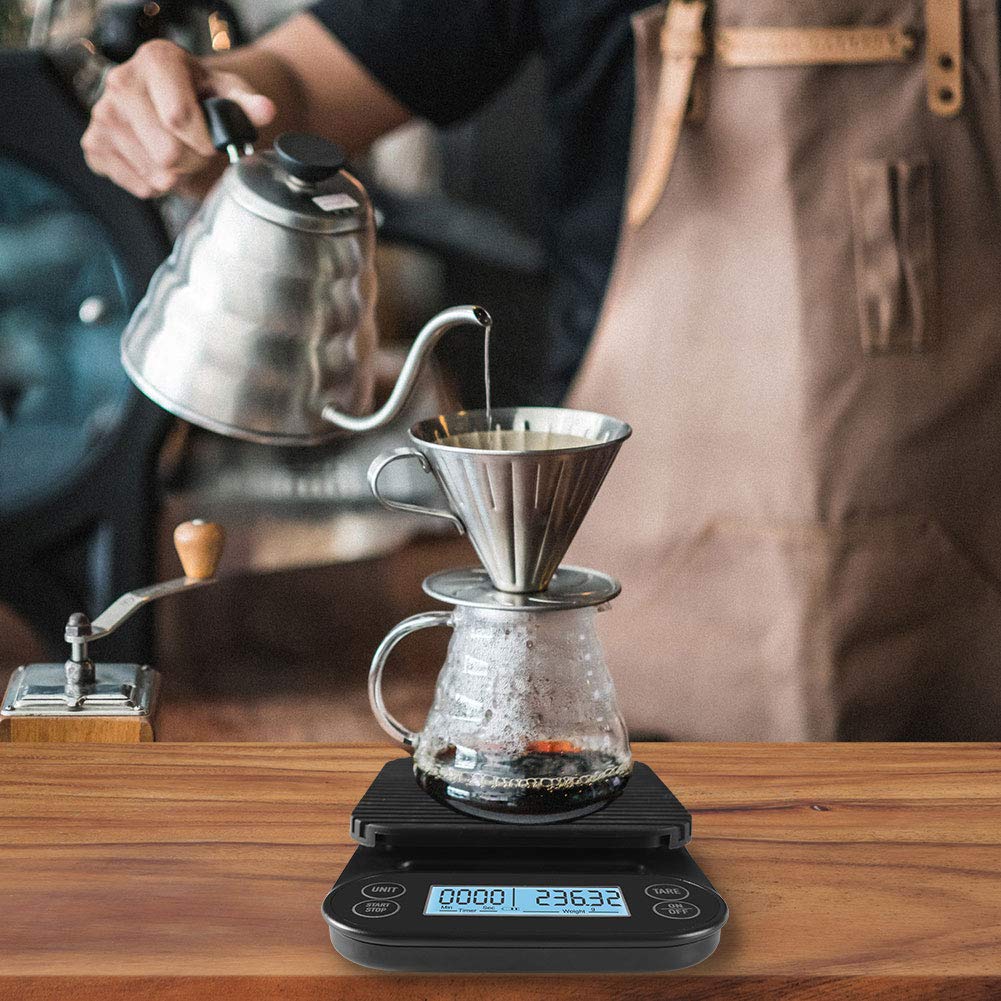
A kitchen scale with 0.1-gram resolution provides the accuracy necessary for small-quantity ingredients that disproportionately affect recipe outcomes. Leavening agents — baking powder, baking soda, yeast — are typically measured in quantities of 3 to 7 grams. A scale with 1-gram resolution cannot distinguish 3 grams from 4 grams, a 33 percent error that determines whether a cake rises properly or collapses into a dense brick. Salt, spices, and vanilla extract similarly require sub-gram precision. Professional-grade kitchen scales, such as models featuring ABS-wrapped bodies with brushed stainless steel weighing platforms, combine this precision with durability. The stainless steel surface resists staining from turmeric, beet juice, and other highly-pigmented ingredients while preventing odor absorption from garlic and onion — a common complaint with plastic-platform scales.
Kitchen environments involve liquids, oils, and sticky residues. A waterproof weighing scale for kitchen — one that can be rinsed under running water — eliminates the tedious disassembly and wiping required for non-sealed models. The waterproof rating is typically achieved through a sealed load cell housing and a membrane-covered display and button interface. The LCD display, ideally backlit in orange or blue for readability under cabinet shadows, must remain visible even when a large mixing bowl partially covers the scale body. Two-button interfaces — power/tare and unit — keep operation simple when hands are coated in flour or oil. Auto-shutoff after periods of inactivity conserves battery life.
The tare function zeros out the weight of a container, allowing direct measurement of ingredients into a mixing bowl without manual subtraction. Switching between grams, kilograms, milliliters, ounces, and pounds accommodates international recipes without external conversion tools — toggling from grams for a French patisserie recipe to ounces for an American one with a single button press. A typical kitchen scale supports a 3-kilogram maximum capacity, sufficient for most home cooking tasks, though commercial kitchens may require 5 to 10 kilograms.
A scale with 0.1-gram resolution is the minimum for baking tasks involving small-quantity ingredients such as yeast, salt, and spices. Scales with 1-gram resolution introduce errors exceeding 20 percent for quantities under 5 grams, which directly affects leavening and seasoning balance.
Waterproof scales feature sealed load cell housings and membrane-covered displays that prevent liquid ingress during rinsing. Standard scales require careful wiping with a damp cloth and cannot be rinsed directly, making cleanup more time-consuming when batter or liquid spills occur.
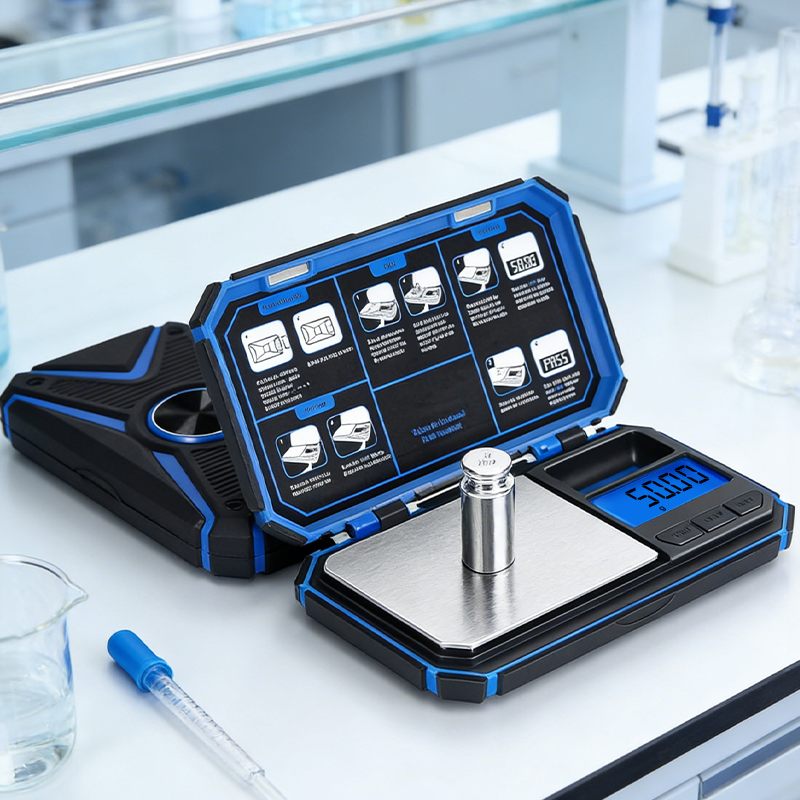
Calibrate every 3 to 6 months using a known standard weight matching the scale's typical measurement range. More frequent calibration is recommended if the scale is stored in environments with significant temperature fluctuations or is transported between locations.
The milliliter mode on kitchen scales estimates volume based on the density of water — 1 gram equals 1 milliliter. For liquids with densities significantly different from water, such as oils or syrups, gram measurement provides more accurate results than milliliter estimation.
A flat, hard, level surface such as a granite countertop or solid wood cutting board. Carpet, uneven surfaces, and tilted counters cause the load cell to register force at an angle, producing readings that can deviate by several grams from the true weight.
Flour density varies by up to 30 percent depending on how it is scooped, sifted, or compacted. A cup of flour can weigh anywhere from 120 to 155 grams. Gram-based measurement eliminates this variability entirely, producing consistent results regardless of ingredient handling technique.

Shenzhen ACCT Electronics provides professional OEM/ODM electronic scales (pocket, kitchen, bathroom, postal) for global B2B clients. 20+ years’ experience, ISO9001 & CE/RoHS certified, 8M pcs/year capacity. Trusted by EU & NA partners. Request quote today.