EN



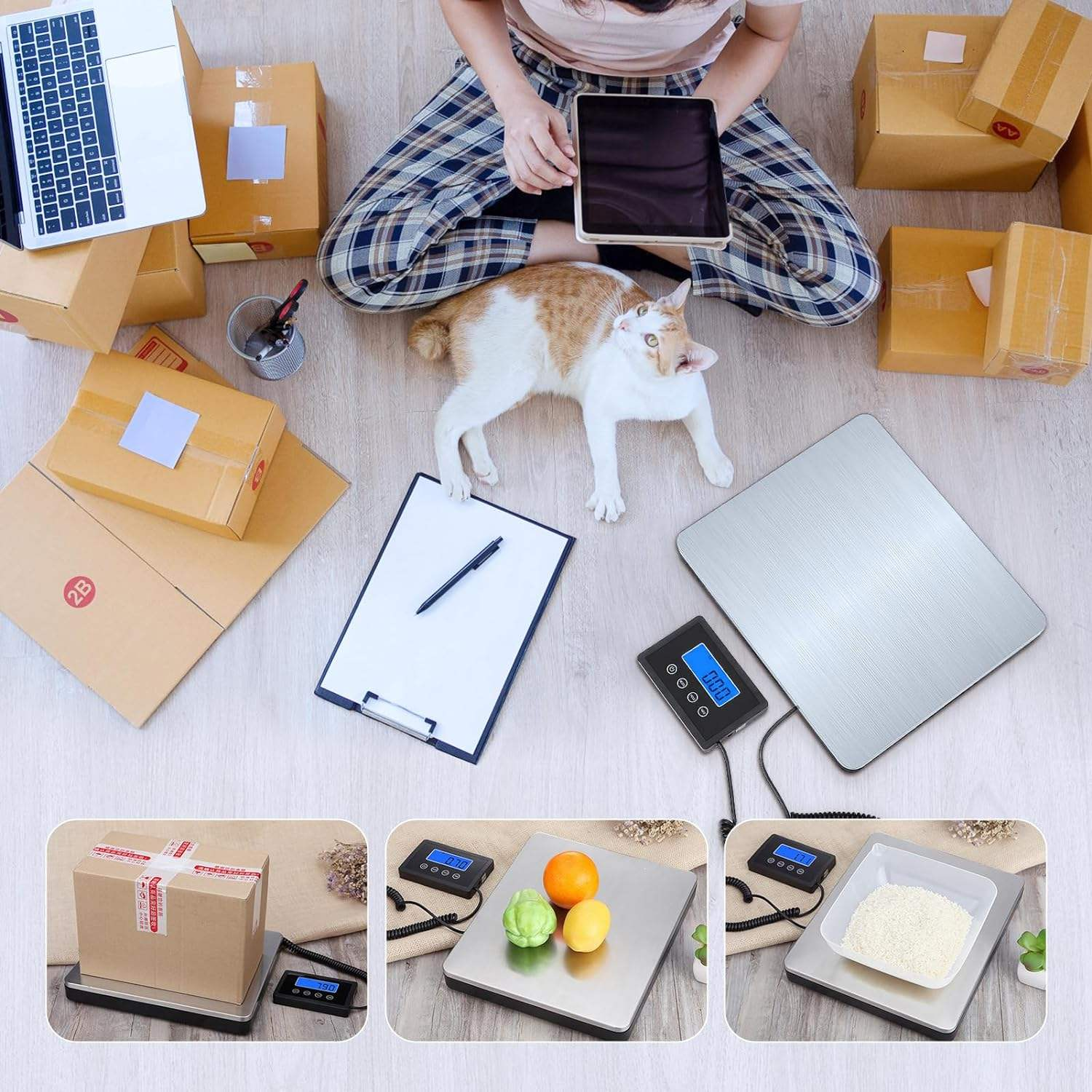
A meal-prep entrepreneur running a subscription service from a compact apartment kitchen was spending 45 minutes every Sunday morning weighing ingredients across a bulky benchtop scale that consumed half the available counter space. After switching to a portable food weight scale compact enough to store in a drawer, prep time dropped to 25 minutes — not because the scale weighed faster, but because the freed-up counter space allowed her to arrange ingredients in a logical workflow rather than shuffling them around a single weighing station. Counter space efficiency in small kitchens is the hidden productivity factor that portable scales address.
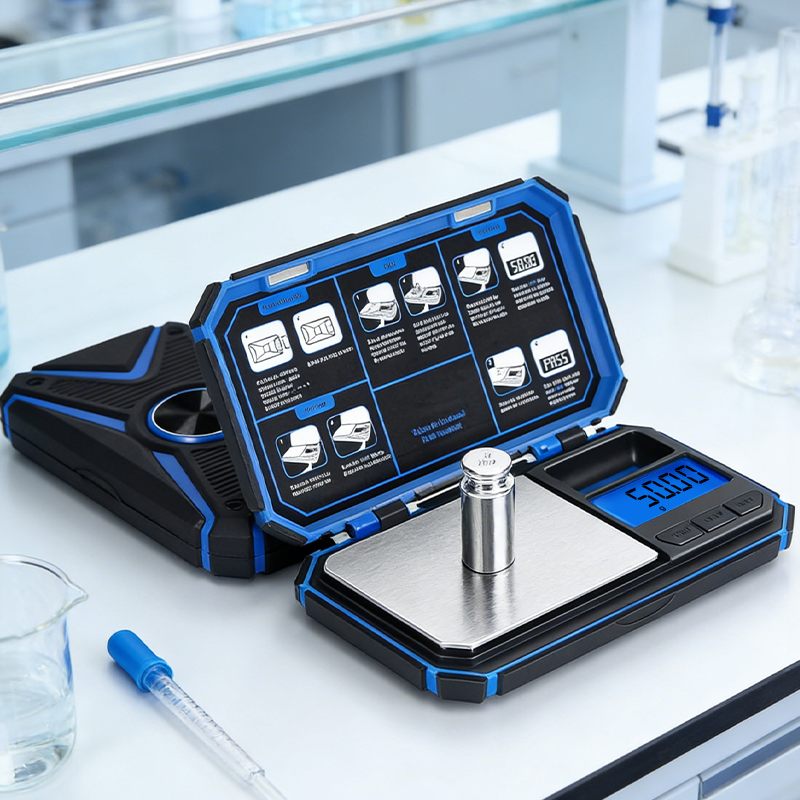
A portable food weight scale measuring approximately 15 by 9 by 3 centimeters and weighing under 250 grams fits in a pocket, backpack, or kitchen drawer — dimensions that enable weighing at farmers' markets, during travel, or in kitchens where permanent countertop real estate is contested. The weighing platform, typically ABS plastic with a stainless steel surface, resists scratches and corrosion from acidic foods. A protective travel case with custom foam interior shields the scale during transport. Despite the compact form factor, precision reaches 0.01 grams with a 200-gram maximum capacity — sufficient for weighing spices, supplements, coffee doses, and small-batch recipe ingredients that require laboratory-grade accuracy.
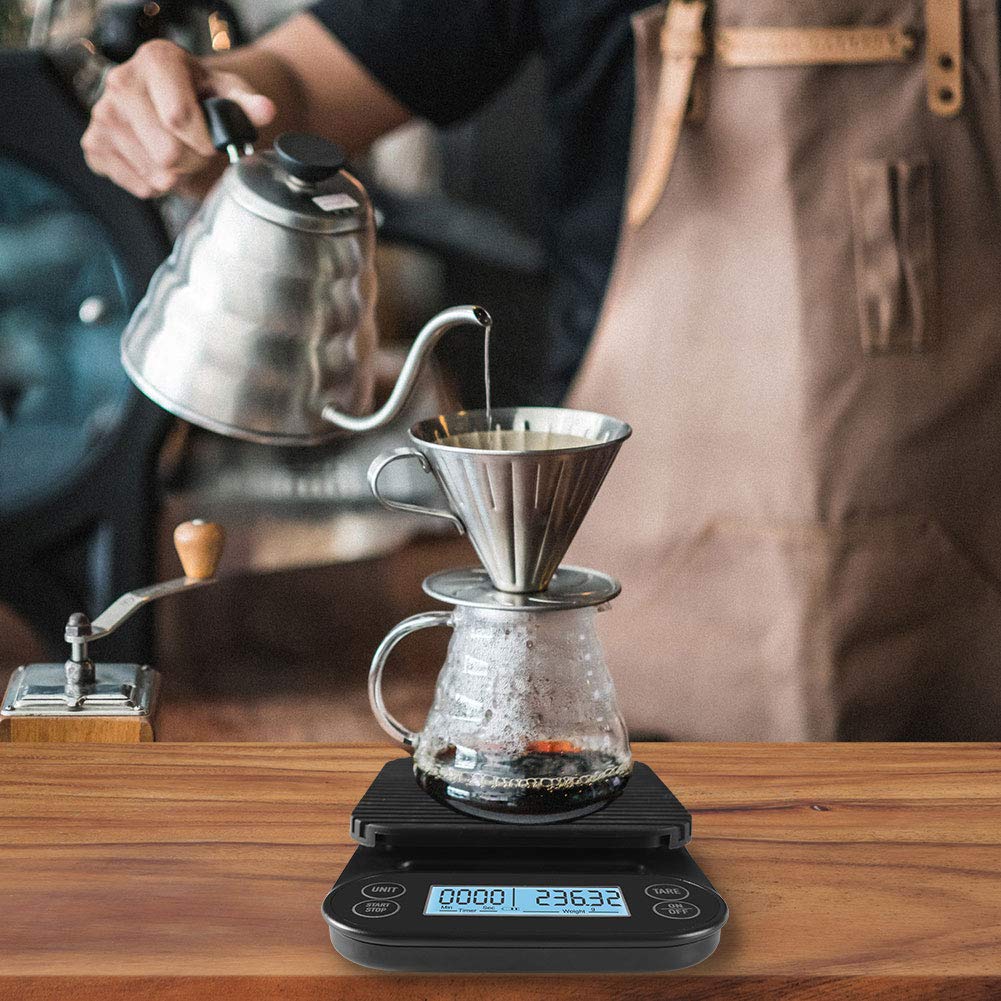
Six-unit switching — grams, ounces, troy ounces, pennyweight, carats, and grains — extends the portable food weight scale beyond cooking into niche applications. The grain mode serves coffee enthusiasts dialing in espresso doses to 18 grams. The carat mode supports home jewelry appraisal. The troy ounce and pennyweight modes accommodate coin collectors and precious metal hobbyists. This versatility transforms a kitchen tool into a multi-purpose precision instrument. The tare function zeros out container weight, enabling sequential addition of ingredients to a single bowl without intermediate transfer or mental arithmetic.
A backlit LCD display ensures legibility in dim kitchen lighting, early-morning meal prep sessions, or under-cabinet shadows. Auto-shutoff preserves battery life during pauses between ingredients. Power is typically supplied by two AAA or a single CR2032 battery, providing months of regular use before replacement. The balance of portability and precision makes these scales particularly valuable for meal-preppers tracking macronutrient targets, bakers working with micro-batch recipes, and home cooks adapting international recipes that specify ingredients in unfamiliar measurement units.
Scales with 0.1-gram resolution suit general cooking tasks involving quantities above 5 grams. Scales with 0.01-gram resolution are necessary for weighing spices, yeast, salt, supplements, and coffee — ingredients where 0.1-gram errors represent meaningful percentage deviations from the target amount.
Hot containers above 60°C should not be placed directly on the scale platform, as thermal expansion can affect the load cell and produce inaccurate readings. Allow hot items to cool to room temperature, or use a heat-resistant trivet between the container and the platform.
Store in the protective travel case away from direct sunlight, humidity, and temperature extremes. Remove batteries if the scale will be unused for extended periods to prevent corrosion from battery leakage.
Most compact portable food scales support 200 to 500 grams maximum capacity with 0.01-gram precision. For larger quantities above 500 grams, a benchtop kitchen scale with 0.1-gram resolution and 3 to 5-kilogram capacity is more appropriate.
The piece-counting function weighs a sample quantity — for example, 10 identical beads — and calculates the total count from subsequent weighings by dividing total weight by individual piece weight. This feature is useful for inventory counting of small, uniform items.
Air currents from ventilation, breathing, or nearby movement can disturb measurements at 0.01-gram precision. Using the included wind shield or protective cover, placing the scale on a stable surface away from drafts, and allowing the reading to stabilize for several seconds improves consistency.

Shenzhen ACCT Electronics provides professional OEM/ODM electronic scales (pocket, kitchen, bathroom, postal) for global B2B clients. 20+ years’ experience, ISO9001 & CE/RoHS certified, 8M pcs/year capacity. Trusted by EU & NA partners. Request quote today.