EN



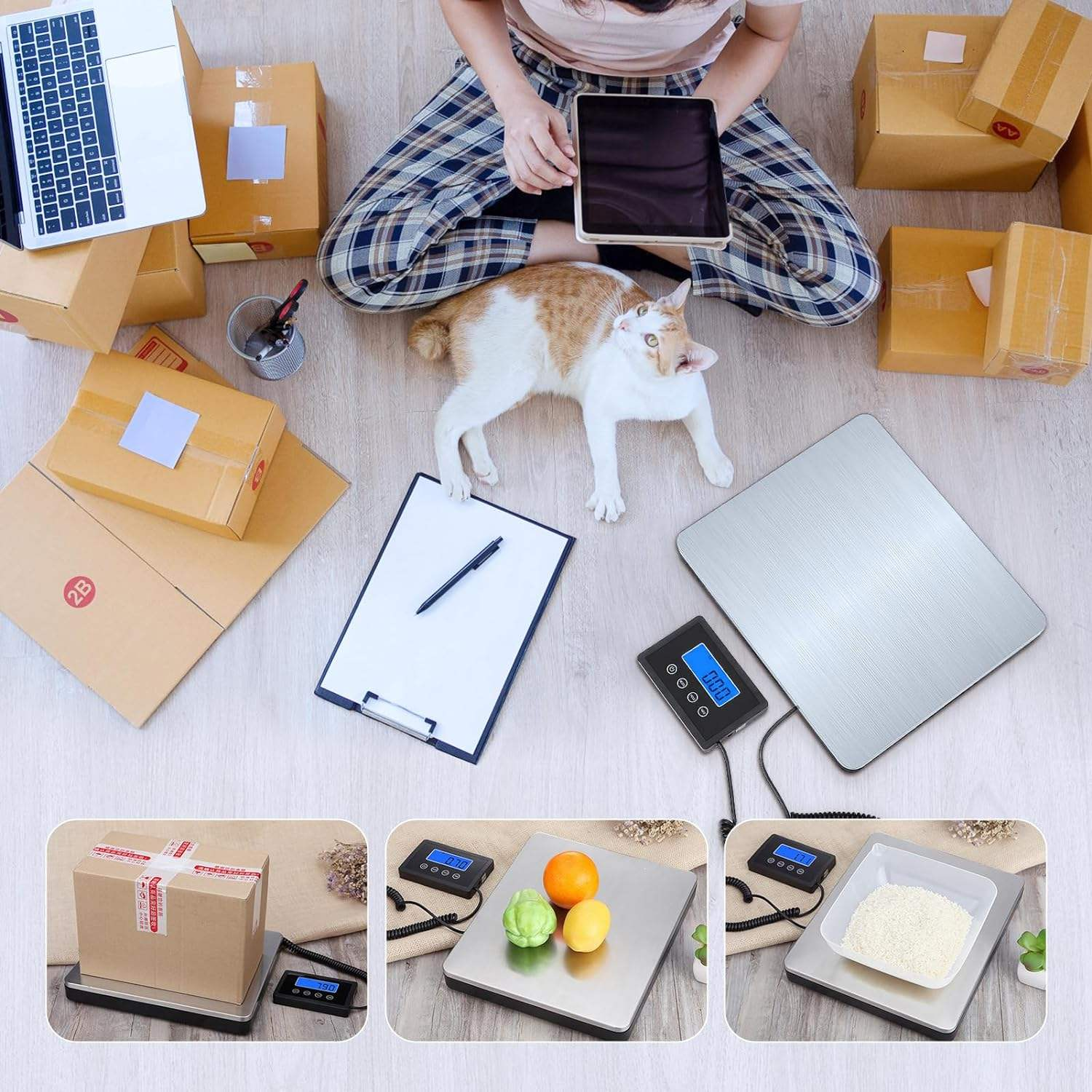
The kitchen scale that excels at measuring 500g of bread flour is not necessarily the best tool for weighing 15g of single-origin coffee beans, and neither optimally handles portioning 2kg of bulk rice into storage containers. Kitchen tasks span a 1,000:1 weight range — from sub-gram yeast measurements to multi-kilogram bulk ingredients — and no single scale optimizes for the entire spectrum without compromise.
The practical solution for kitchens with diverse weighing needs is either a scale that covers the widest useful range with acceptable accuracy at both extremes, or two specialized scales — a high-capacity model for bulk and baking tasks plus a precision model for sub-50g measurements. The two-scale approach costs more initially but eliminates the compromise of using a 0.1g scale at the limit of its precision on 3g measurements.
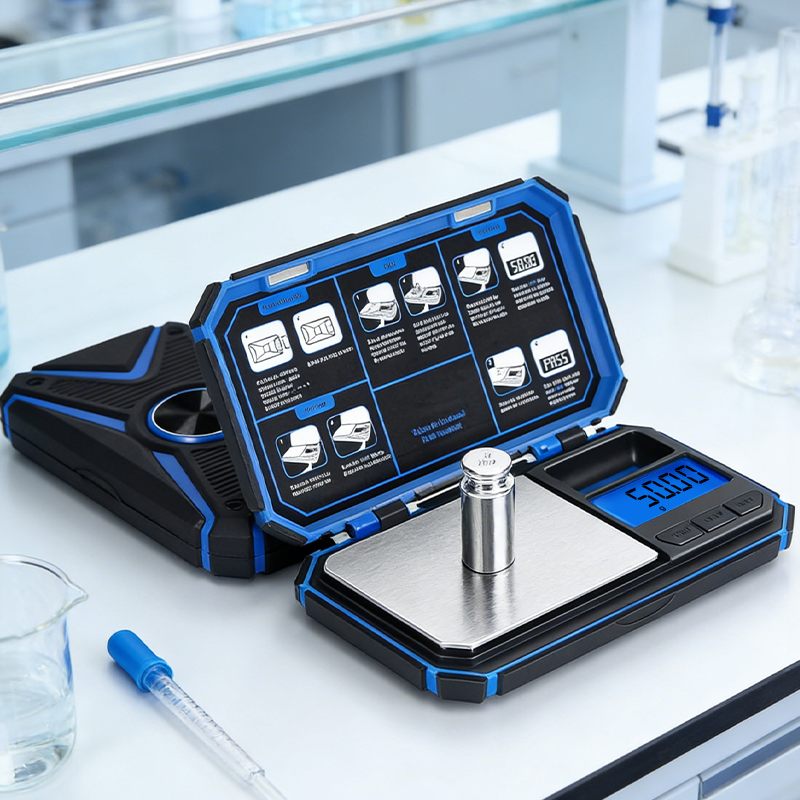
A baking supply store that also sells bulk coffee beans and loose-leaf tea by weight implemented dedicated weighing stations for each product category after discovering that a single scale type created customer trust issues. Customers buying 100g of premium tea at $8/oz noticed when the 1g-resolution postal scale rounded measurements inconsistently. The store installed ACCT precision scales with 0.1g resolution at the tea and coffee stations, while keeping higher-capacity scales at the flour and sugar stations. Customer complaints about short-weight purchases dropped to zero, and the precision stations became a marketing point — "we weigh your tea to the tenth of a gram."
Baking demands a kitchen scale that supports the baker's multi-bowl workflow. The typical bread recipe requires weighing flour (300–500g), water (250–350g), and small quantities of salt and yeast (3–10g each) — preferably all into a single mixing bowl through sequential taring. The scale must accommodate the bowl's weight (200–500g for a stainless steel mixing bowl) plus ingredients without approaching the maximum capacity where load cell linearity degrades.
The 5kg-capacity scale with 0.1g resolution serves this workflow well. The 0.1g precision handles salt and yeast measurement at the 3–10g range with approximately 1–3% accuracy — adequate for home baking where natural ingredient variation (flour protein content, yeast activity) introduces larger outcome variability than 0.1g measurement error. ACCT's K2018 kitchen scale with 5kg/0.1g capability and 6-unit conversion supports ingredient measurement in grams, ounces, pounds, and milliliters (water equivalent).
Platform size for baking scales should accommodate a 20–25cm diameter mixing bowl without overhang. The scale body extending beyond the platform improves stability when a bowl wider than the platform sits on it. Non-slip feet prevent the scale from sliding on smooth countertops when placing or removing heavy bowls.
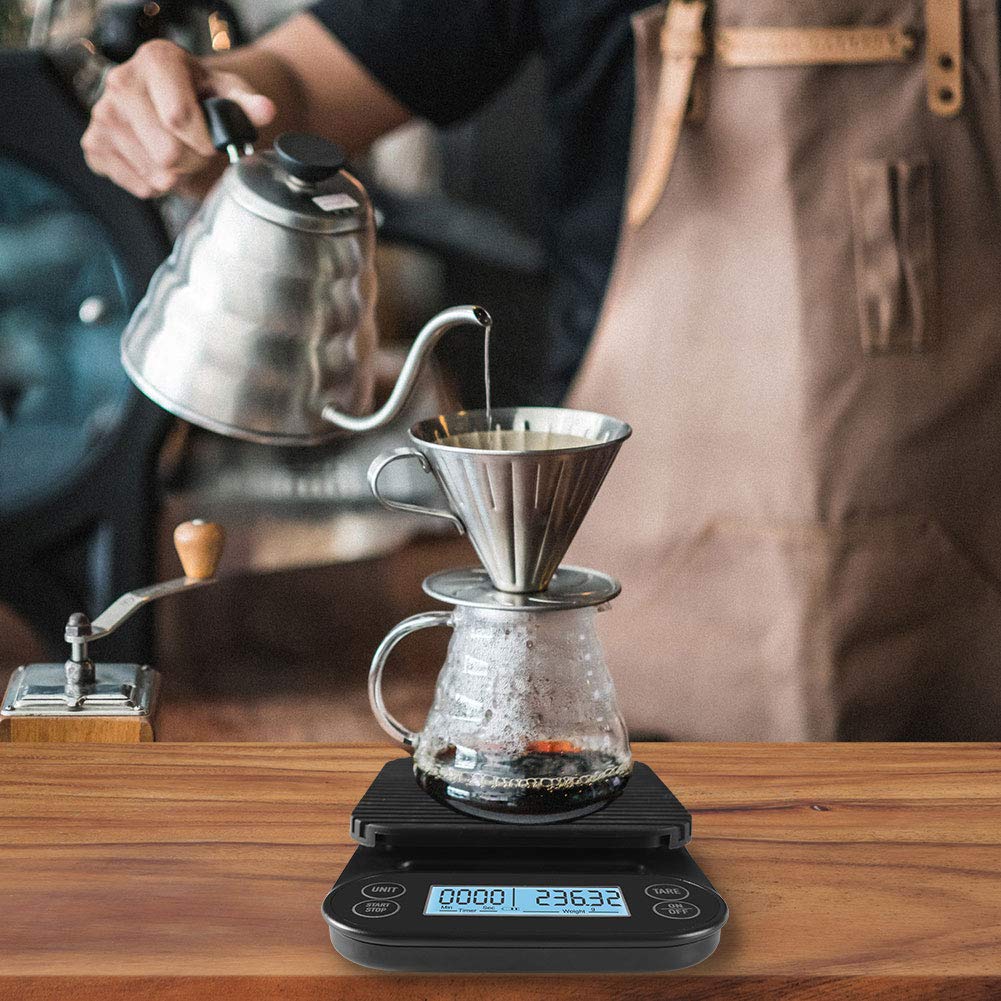
Coffee brewing requires the kitchen scale to perform two functions simultaneously: measure weight and track elapsed time. The pour-over method — wet filter, add 15–25g grounds, pour water in stages to reach 250–375g total — requires the brewer to watch both weight accumulation and the 2.5–3.5 minute target brew time. A scale with integrated timer displays elapsed time alongside weight, eliminating the separate timer that splits attention during the critical pour phase.
The 0.1g precision resolves the bean weight variations that affect extraction consistency. Two grams of extra coffee in a 20g dose represents 10% more coffee solids to extract, potentially shifting the brew from balanced to over-extracted. The 2kg capacity is more than sufficient for coffee — the heaviest pour-over setup with server, dripper, and full water volume rarely exceeds 1.5kg. ACCT's CS-13 coffee scale includes a rechargeable battery, timer function, and 0.1g precision optimized for pour-over and espresso workflow.
General cooking prioritizes ease of use over extreme precision. The scale's platform should be easy to clean — stainless steel resists staining and odor absorption better than plastic — and the buttons should operate reliably with wet or flour-dusted fingers. A large, backlit display readable at a glance from a standing position reduces the stooping that smaller displays require.
A 2–3kg scale with 0.1g precision covers all three uses adequately. The limitation is capacity for very large batches (5kg+ of flour for bulk bread baking) and the absence of a timer for coffee workflow. ACCT's CS-13 bridges the coffee-baking gap with precision plus timer in a single device.
0.1g resolution is sufficient. Flour, water, and most ingredients are measured in 50–500g quantities where 0.1g error is negligible. Salt and yeast at 3–10g benefit from 0.1g precision; sub-gram precision (0.01g) improves very small batch consistency but is unnecessary for standard recipes.
The timer displays elapsed extraction time alongside weight, eliminating the separate phone or watch timer. For pour-over brewing targeting 2:30–3:30 total brew time and specific pour intervals, the integrated display lets the brewer watch both variables simultaneously without glancing between two devices.
Glass platforms offer a sleek appearance but are heavier and can chip or crack if dropped. Stainless steel platforms resist staining, scratching, and impact better than glass. For daily kitchen use where the scale may encounter heavy pots, stainless steel is the more durable choice.
Wipe the platform with a damp cloth after each use, especially after contact with raw ingredients or sticky substances. Avoid submerging non-waterproof scales. ACCT's K1913-B waterproof kitchen scale allows rinsing under running water for thorough cleaning between uses.
AAA batteries are universally available and replaceable without special ordering. Rechargeable built-in lithium batteries eliminate recurring purchase costs. ACCT offers both battery-powered (K2018, 4×AAA) and rechargeable (CS-13) options for different user preferences.
Shenzhen ACCT Electronics provides professional OEM/ODM electronic scales (pocket, kitchen, bathroom, postal) for global B2B clients. 20+ years’ experience, ISO9001 & CE/RoHS certified, 8M pcs/year capacity. Trusted by EU & NA partners. Request quote today.