EN
EN



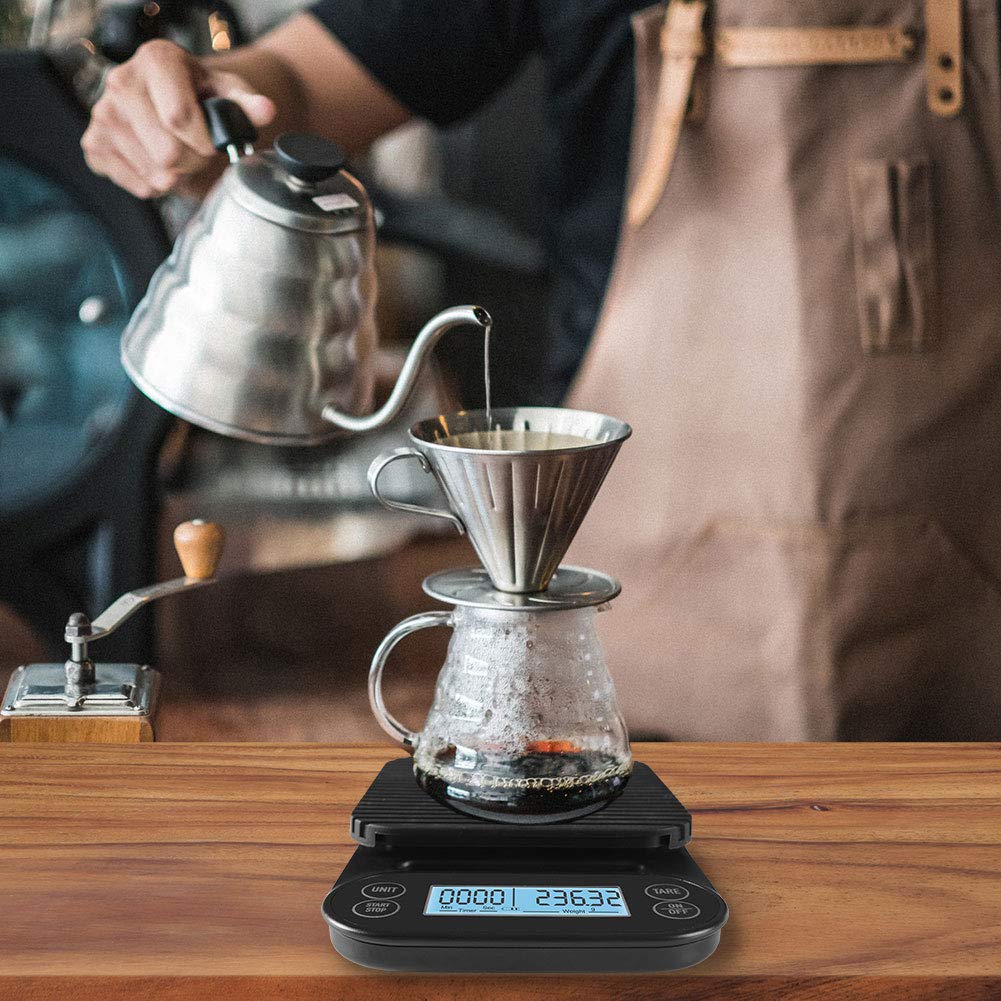
Getting the coffee to water ratio right matters a lot when it comes to making good coffee. Most people find that using about 20 grams of coffee per 300 grams of water gives them that nice bright acidity they want. If someone goes for a 1:18 ratio instead, the result tends to be lighter on the body with something closer to tea like clarity. When folks mess with this ratio by more than 2%, they're actually changing how much coffee dissolves in the water by around 5%. That small change can really throw off the whole flavor profile. Too little coffee makes things taste flat and bitter, while too much just waters down those lovely aromas we all love. Studies show even tiny differences matter - just half a gram difference in coffee amount changes extraction levels enough to turn a well balanced Ethiopian pour over from great to either dull or harsh tasting.
A mere 0.5g measurement error cascades into dramatic extraction flaws:
| Deviation | TDS Shift | Flavor Impact | Primary Cause |
|---|---|---|---|
| +0.5g | +8–12% | Bitter, woody dominance | Over-extracted solubles |
| -0.5g | -9–11% | Sour, vegetal sharpness | Unresolved acids |
Coffee extraction works in stages basically. First come those bright fruity acids, then sugars start coming through, and finally we get to those bitter oils. When someone under extracts their coffee, they stop right in the middle of this process, leaving behind all those acidic notes. On the flip side, over extraction drags out way too many bitter tannins from the beans. Getting accurate measurements makes all the difference here. Some research indicates that cafes can cut down on wasted beans by about 17% just by improving their dosing accuracy to within half a gram either way. And for making espresso specifically, where total dissolved solids need to be spot on within 0.25%, having a good quality scale isn't just helpful anymore it’s absolutely essential for anyone serious about their coffee game.
Getting those cafe quality brews at home really depends on some pretty smart engineering. Top coffee scales can measure down to 0.1 grams, which makes all the difference when tracking those tiny weight changes that affect how the coffee extracts. Most good scales stabilize within half a second or so, stopping people from pouring too much when they’re doing something like a pour over. And they stay accurate too, drifting less than 0.1 gram per hour between batches. Why does this matter? Well, these specs help keep total dissolved solids from fluctuating by more than 0.2 percent. That might not sound like much, but in specialty coffee circles, even small differences can turn a great cup into something that tastes either too sour or overly bitter.
The built-in timers along with auto-tare features work together to keep measurements and brewing steps aligned, so there are no annoying pauses in the process. When the scale detects weight, the timer kicks in automatically, making sure all those important bloom periods happen consistently. And for those complicated recipes that involve multiple steps like preparing an espresso puck followed by tracking the actual yield, just pressing a button resets everything quickly. Studies show this setup cuts down on mistakes made by people handling these tasks by about 28 percent. As a result, coffee makers can reliably reproduce their favorite brew parameters every single time they need them.
Getting espresso right requires meticulous attention to measurements. Even small changes matter a lot – just 0.1 gram difference in how much coffee we use or what comes out can shift the whole extraction process by more than 10%. That means either getting sour coffee that's under extracted or bitter stuff that's way too strong. Because espresso machines work at high pressure, even tiny inconsistencies become big problems. A variation of plus or minus half a gram makes a noticeable difference in the total dissolved solids in our cup. Good coffee scales fight back against all this with readings down to fractions of a gram and stabilizing quickly within half a second. This lets baristas fine tune their settings for around 18 to 20 grams of coffee grounds and aim for yields between 36 and 40 grams. When done properly, there's no need to guess anymore about whether the shot will taste good. And nobody wants to waste expensive beans on shots that just end up thrown away because they didn't turn out right.
Getting great results from pour over coffee really depends on keeping track of both weight and time together. Most baristas start with about 60 grams of water for a 30 second bloom period, then slowly add water at around 3 to 5 grams per second to get proper agitation going. These days many folks use scales that have built in timers which makes all these calculations automatic, so the coffee gets evenly saturated throughout. When making cold brew, getting the right ratio matters a lot more than people realize. If someone messes up that 1:8 coffee to water ratio when brewing big batches, they'll either end up with something too weak or way too strong. Good quality scales that can handle at least 2 kilograms and measure down to single gram increments make maintaining consistency much easier during those long steep periods. And let's face it, waterproof construction is practically essential since coffee spills happen all the time no matter how careful we are.
When measurements aren't consistent, it causes all sorts of problems down the line with waste piling up and quality going downhill fast. Many specialty coffee roasters actually throw away about 15 to 20 percent of their beans because of mistakes during setup and having to redo work. That works out to roughly 10 grams going to waste for every 250 gram bag they make whenever there's more than half a gram difference between doses. Bad measurements lead to bad coffee too. Under extracted brews end up tasting sour since water doesn't hit all parts evenly, whereas over extracted coffee becomes bitter as tiny particles block the filter. Money gets wasted in ways people don't always think about either. Time spent fixing mistakes and dealing with angry customers eats into what should be profit. Take a small operation making around 100 kilograms a month - inconsistent measurements could easily cost them nearly eight grand each year just from losing product and trying to fix things later. Getting a good quality coffee scale that measures down to tenths of a gram makes a real difference though. It stops all those little problems from adding up and keeps recipes working properly throughout the entire process from measuring out beans to actually brewing the coffee.

Shenzhen ACCT Electronics provides professional OEM/ODM electronic scales (pocket, kitchen, bathroom, postal) for global B2B clients. 20+ years’ experience, ISO9001 & CE/RoHS certified, 8M pcs/year capacity. Trusted by EU & NA partners. Request quote today.