EN
EN



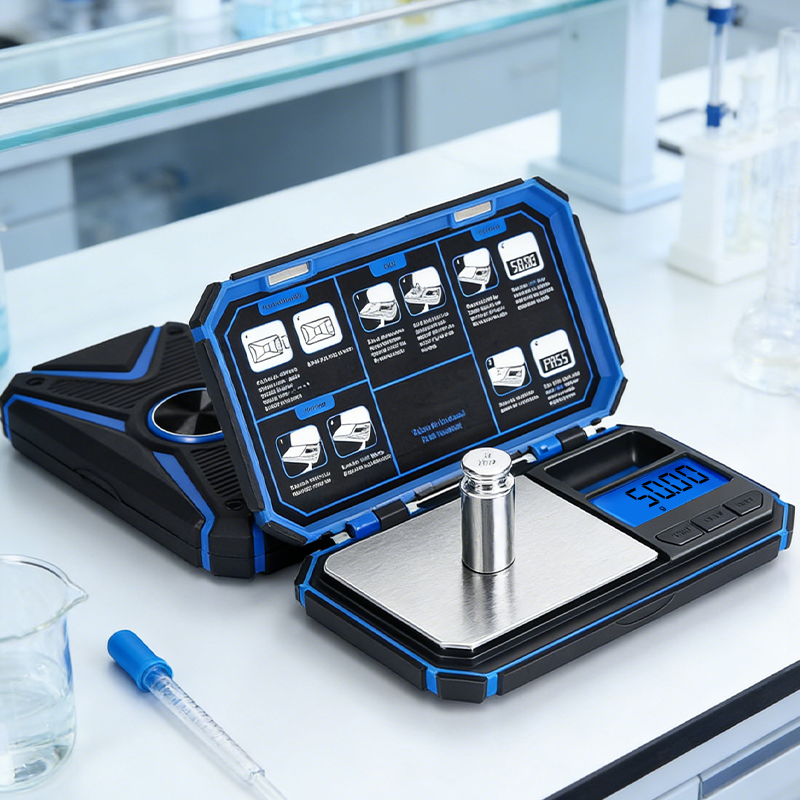
When it comes to valuing jewelry, precision matters a lot. For instance, scales with 0.001g resolution can spot weight changes equal to about 0.005 carats in diamonds. And let's face it, just one carat difference might mean anywhere from $1,000 to $25,000 according to those GIA standards from 2023. Getting these tiny details right becomes really important for things like weighing fine gold bits or little gems. Even small mistakes matter here - something off by 0.01g could set someone back between $50 and $500 each time they weigh something. On the flip side, cooking doesn't need such super detailed measurements most of the time. The FDA actually allows for plus or minus 1% when it comes to nutrition labels. Small amounts extra or missing in ingredients like flour, spices, or coffee beans don't really affect how good something tastes, whether it's safe to eat, or what it costs. So for kitchen work, a scale that measures down to 0.1g is totally sufficient. It covers everything needed without breaking the bank or wearing out too quickly.
| Application | Required Resolution | Economic Impact of 0.01g Error |
|---|---|---|
| Jewelry Weighing | 0.001g | $50–$500 loss per transaction |
| Food Preparation | 0.1g | < $0.01 cost variance |
The best high resolution scales won't work properly unless we control their environment. Just think about how air moving through HVAC systems or coming in from open windows can throw off measurements by as much as plus or minus 0.003 grams when weighing something light like gemstones. And vibrations matter too foot steps passing by, machines running nearby, even buildings themselves resonating introduce weight variations of around half a percent according to lab tests. Static electricity is another problem nobody really thinks about until it happens. A charge of 5 kilovolts which isn't uncommon at all in dry weather situations creates errors over 0.002 grams on scales that aren't grounded properly. All these things together mean accuracy drops between 15 to 30 percent outside controlled environments showing clearly that just having good resolution isn't enough for reliable results. When working with jewelry quality materials, those draft shields, anti static mats, and special platforms that absorb vibrations aren't just nice to have extras they form the very foundation of accurate measurements.
The food industry and jewelry sector face completely different rules when it comes to regulations. The FDA lets manufacturers have about 5% wiggle room on portion sizes listed on packages. So if something says "100 grams," it can actually be anywhere from 95 to 105 grams and still meet requirements. Similar allowances exist in USDA standards for restaurant portions too. Things get much stricter when we look at gemstones though. The Gemological Institute of America requires diamond weights to be measured with incredible precision. For instance, a 1 carat diamond that weighs around 0.2 grams needs to be measured within just 0.0005 grams of accuracy. That's about 20 times more exacting than food standards. Why such strictness? Because even tiny measurement errors matter a lot in diamonds. A small mistake of 0.01 grams could mean hundreds or even thousands of dollars difference in value for those top quality stones with excellent clarity and color.
When it comes to money lost from measurement mistakes, the impact gets worse as materials become more valuable. Take commercial baking for instance. If bakers consistently add 10 grams extra flour to each of 1,000 loaves, they end up wasting about $15 worth of ingredients overall. That kind of mistake can usually be fixed just by checking their processes again. But jewelry makers deal with completely different stakes. A small error matters a lot here. Something like missing by 0.1 gram when weighing gold that costs around $60 per gram means losing $6 on every piece made. And for those dealing with diamonds? Even tinier mistakes count. A mere 0.001 gram off when measuring a 5 carat stone might lead to over $1,250 difference in valuation or cause arguments between buyers and sellers. Getting the right gram scale isn't just about being technically correct. It's actually essential protection against slowly disappearing profits and damage to business reputation down the road.
Most kitchen scales only need a quick calibration once a year for regular cooking tasks. Find somewhere flat where the counter doesn't shake and there aren't any air currents messing with readings. Look through the settings menu on most modern digital scales these days they have some sort of calibration function. When prompted, place those special test weights on top the ones that match what the scale can actually handle usually between 100 grams and a kilogram. The ANSI/NIST Class 4 weights work great here since they're accurate enough without breaking the bank for restaurant kitchens. Once done, check if everything works properly using common items around the kitchen area. A US nickel should read right at 5 grams, and regular AA batteries come in around 23 grams give or take. Regular spot checks like this help keep things running smoothly according to FDA guidelines for proper portion sizes in commercial food service operations.
Jewelry scales demand rigor commensurate with valuation stakes. Implement three core practices:
Table: Calibration Frequency Comparison
| Application | Calibration Interval | Critical Weights | Tolerance |
|---|---|---|---|
| Food Prep | Annual | 100g–1kg | ±0.1g |
| Jewelry | Weekly/Monthly | 0.01g–10g | ±0.001g |
The specs on precision, capacity, and build quality should match what actually gets used day to day, not just look good on paper. For jewelry work where GIA standards matter, those tiny 0.001g increments make all the difference. But when weighing ingredients in a kitchen, 0.1g usually works fine. There's always this balancing act between resolution and capacity too. Industry numbers show that anything over 5kg typically can't get much better than 1g resolution according to standards from last year. So figure out what weight range matters most for regular use. The physical construction matters a lot too. Kitchens want scales that can handle splashes and wipe clean easily with IPX4 protection. Jewelers meanwhile need special features like built in draft shields, static free casings, and those fancy stability algorithms inside. Calibration is another big deal. Precious metals demand daily checks against certified weights, but basic kitchen scales just need occasional zeroing and span adjustments. Don't go overboard buying something way beyond what's needed it just adds costs and headaches. But don't skimp either because poor specs lead to inaccurate readings, failed inspections, and loss of customer confidence down the road.
Shenzhen ACCT Electronics provides professional OEM/ODM electronic scales (pocket, kitchen, bathroom, postal) for global B2B clients. 20+ years’ experience, ISO9001 & CE/RoHS certified, 8M pcs/year capacity. Trusted by EU & NA partners. Request quote today.