EN
EN



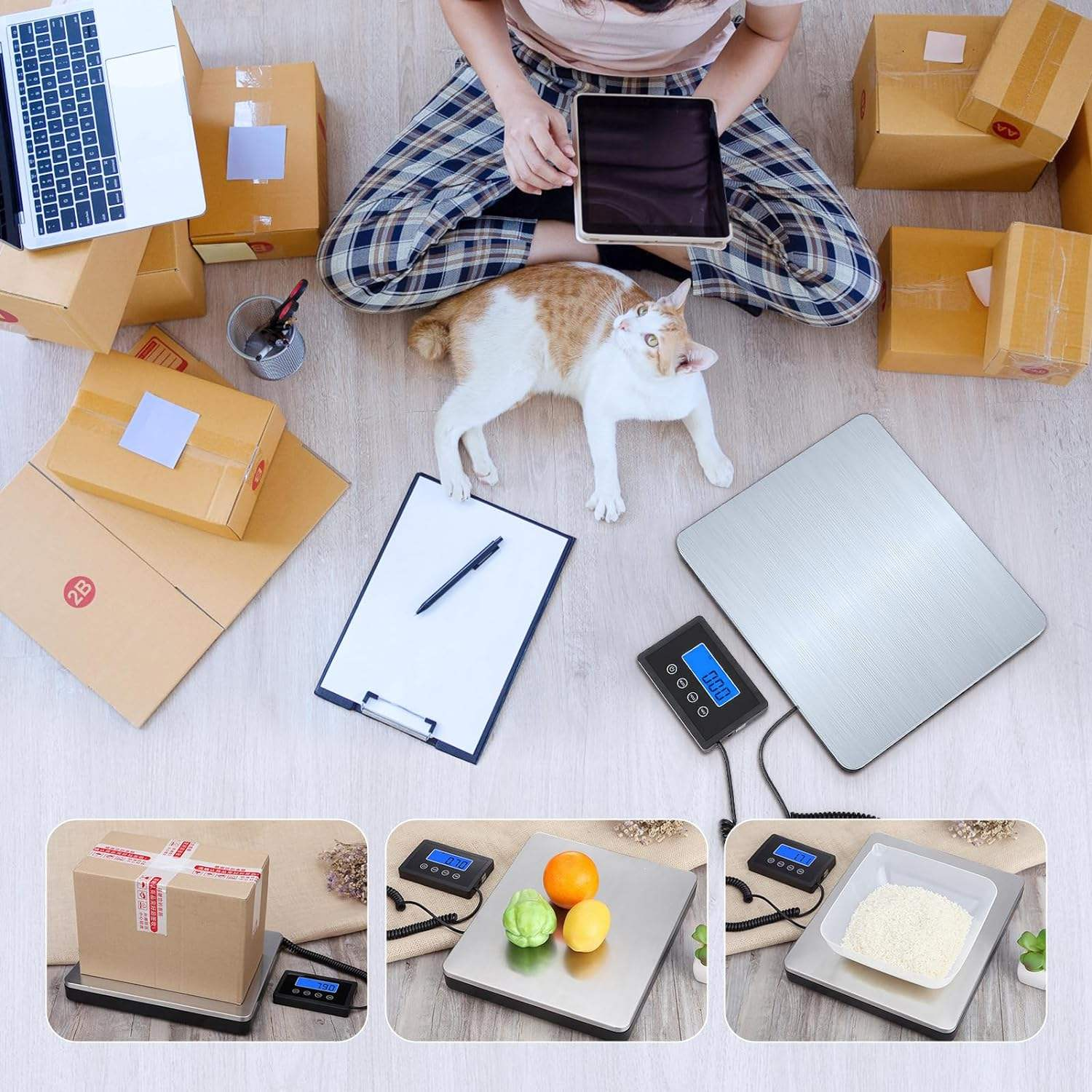
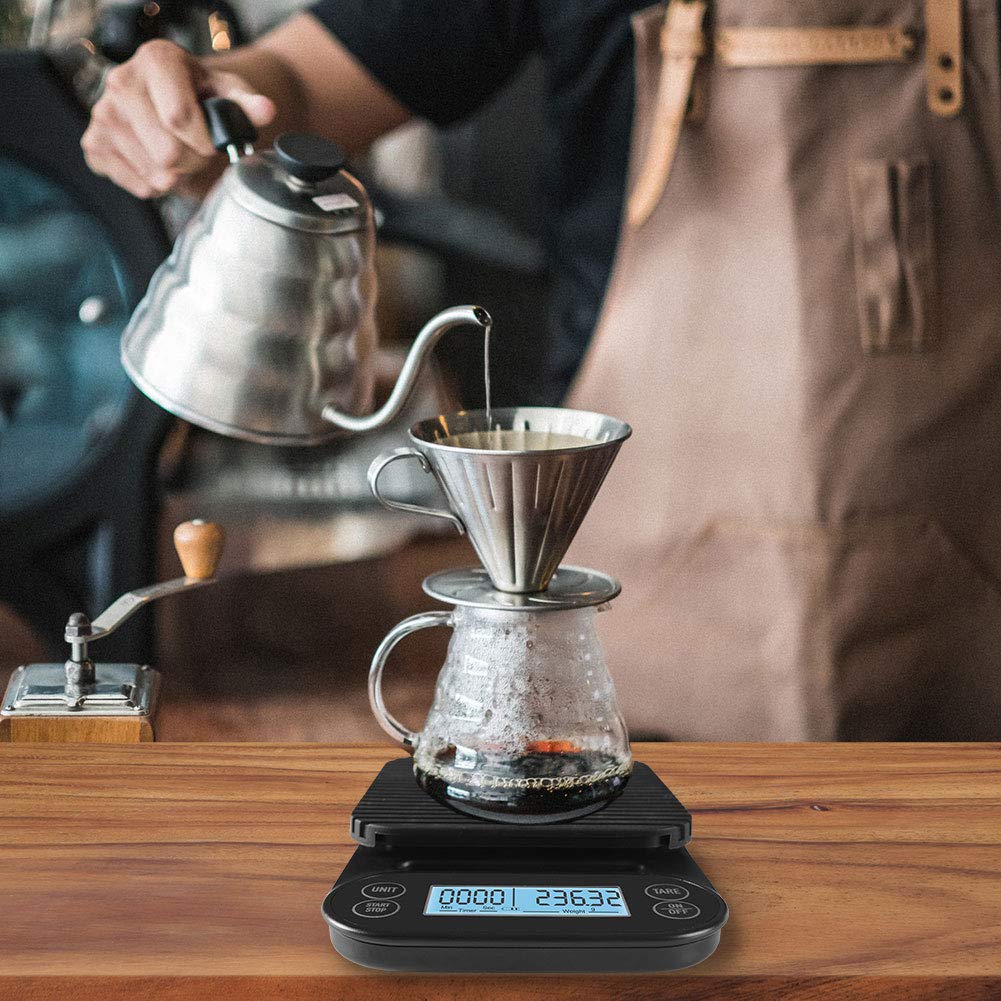
People just aren't good at estimating how much they're eating visually. Studies show folks get it wrong about 30% of the time when trying to judge serving sizes by eye according to research from the Ponemon Institute back in 2023. All those little mistakes add up fast, sometimes hundreds of extra calories each week that nobody accounts for, which makes losing weight so much harder than it needs to be. Food scales fix this problem completely because they measure things down to the gram. This lets people actually track what they eat instead of guessing. Cups and spoons don't work well since different foods pack differently. Ground beef takes up way less space than chopped veggies but weighs almost the same. Digital scales give real numbers that anyone can check again and again. Getting accurate measurements matters most with protein and fat portions where even tiny errors mean big differences in calories. When nutrition goals become actual weights on a scale, diets stop being vague ideas and start becoming something people can actually follow day after day. Using a scale regularly helps train eyes to recognize proper portions too. Restaurant portions these days are huge compared to what's healthy, so having concrete numbers fights against that false sense of normalcy we all experience. Plus, weighing food creates instant feedback that stops people from lying to themselves about how much they actually ate during tracking periods.
Precision in macronutrient tracking begins by replacing guesswork with gram-level accuracy. A food weight scale eliminates volumetric inconsistencies—like loosely packed flour or irregularly chopped vegetables—that cause up to 20% calorie miscalculations (Journal of Nutrition, 2023). For meal prep efficiency, this tool enables:
This accuracy compounds over time: a 5g daily error in olive oil measurements translates to 3,650+ misplaced calories annually—enough to derail weight goals. Modern scales streamline tracking through tare functions and unit conversions, turning meticulous prep into a 5-minute task.
| Measurement Method | Carb Error Margin | Protein Discrepancy | Practical Impact |
|---|---|---|---|
| Cups/Spoons | ±15% | ±20% | Uncontrolled calorie surplus |
| Food Weight Scale | ±2% | ±3% | Macro targets achieved within 5% variance |
The discipline of weighing cultivates nutritional awareness, allowing users to transition toward intuitive eating while maintaining metabolic precision.
Getting accurate with nutrition tracking goes beyond just hitting those daily numbers. What really matters is how small mistakes pile up week after week. Take that ±5 gram difference when measuring a chicken breast – sounds tiny right? But multiply that across all meals and ingredients throughout the day, and suddenly we're talking real numbers. Athletes who track macros closely or people dealing with diabetes especially need to watch out for these little gaps. Over time, they can result in missing out on over 20 grams of protein each week or getting insulin doses wrong. These kinds of inconsistencies don't just mess with workout progress; they actually impact overall health in ways most folks don't realize until it's too late.
Consider this comparison of scales with different tolerances tracking a 2,000-calorie daily diet:
| Accuracy | Daily Calorie Error | Weekly Calorie Error | Protein Error (Weekly) |
|---|---|---|---|
| ±1g | ±38 calories | ±266 calories | ±15g |
| ±5g | ±190 calories | ±1,330 calories | ±75g |
A ±5g scale introduces weekly errors equivalent to two full meals—enough to erase a 500-calorie/day deficit. For macros, this variance could mean missing 25% of weekly protein targets. In contrast, ±1g accuracy maintains deviations within 5% of goals, ensuring consistent progress without guesswork.
Regularly using a food scale helps people move away from strict dieting toward eating intuitively over time. When folks weigh their food every day, they start to get a better feel for what constitutes a normal portion size. This process turns something that feels like strict measurement into a more natural sense about how much is enough. Some studies back this up too. A recent report from the Mindful Eating Study group mentioned last year that around three quarters of people who kept track of their portions for about three months were able to guess calorie counts pretty accurately within about ten percent without needing to actually weigh anything. As these habits form, people begin recognizing when plates look full or when foods feel right in the hand, so they don't need to check the scale as often anymore. This makes making food decisions easier throughout the day because there's less mental effort required. Eventually, this approach lets people handle meals at home or out at restaurants with confidence, knowing they can maintain good nutrition without constantly relying on numbers.
Using a food weight scale ensures precise measurement of food, minimizing errors that could lead to uncontrolled calorie intake, thus aiding in effective portion control.
A food weight scale facilitates accurate measurement of ingredients, helps batch-weigh proteins, balance recipes, and error-proof portioning, streamlining meal prep.
Small measurement errors can accumulate over time, causing significant deviations from nutrition goals. For instance, a ±5g error can result in missing significant calorie and protein targets weekly.
Regular use helps individuals learn accurate portion sizes, gradually reducing dependency on the scale and enabling more intuitive eating habits.
Shenzhen ACCT Electronics provides professional OEM/ODM electronic scales (pocket, kitchen, bathroom, postal) for global B2B clients. 20+ years’ experience, ISO9001 & CE/RoHS certified, 8M pcs/year capacity. Trusted by EU & NA partners. Request quote today.