EN
EN



Keeping scale manufacturing operations inside the company puts jewelry brands at real financial risk. Think about all those fixed costs for equipment, regular calibration expenses, plus hiring and training specialized staff who might only be needed part time. Then there are these seasonal peaks in demand around holidays or special collections, which leaves most of the equipment gathering dust between busy periods. According to research from one major manufacturer, nearly seven out of ten luxury brands deal with over 30 percent idle capacity every year, which really eats into profit margins. When compared to working with outside manufacturers whose costs vary with production volume, investing in expensive precision scales ties up money in assets that lose value over time. Plus it makes adapting to sudden changes in fashion trends much harder for brands that want to stay competitive.
Smart companies are transforming their scaling operations from costly fixed assets into flexible resources by working with original equipment manufacturers. These specialized partners handle all the tedious stuff like calibrations, getting certifications right, and keeping hardware updated. Instead of big upfront investments, businesses now pay only what they need when they need it. The production process adjusts naturally based on actual orders through these usage-based payment models, so there's no wasted money on sitting around unused equipment during slow periods. A recent industry report showed that companies using API connected OEM scales cut down on wasted inventory by about 40% because the weight data automatically syncs with their ERP systems in real time. Beyond saving money, this approach frees up funds for creative product development while still meeting those tricky measurement standards required in different countries around the world.
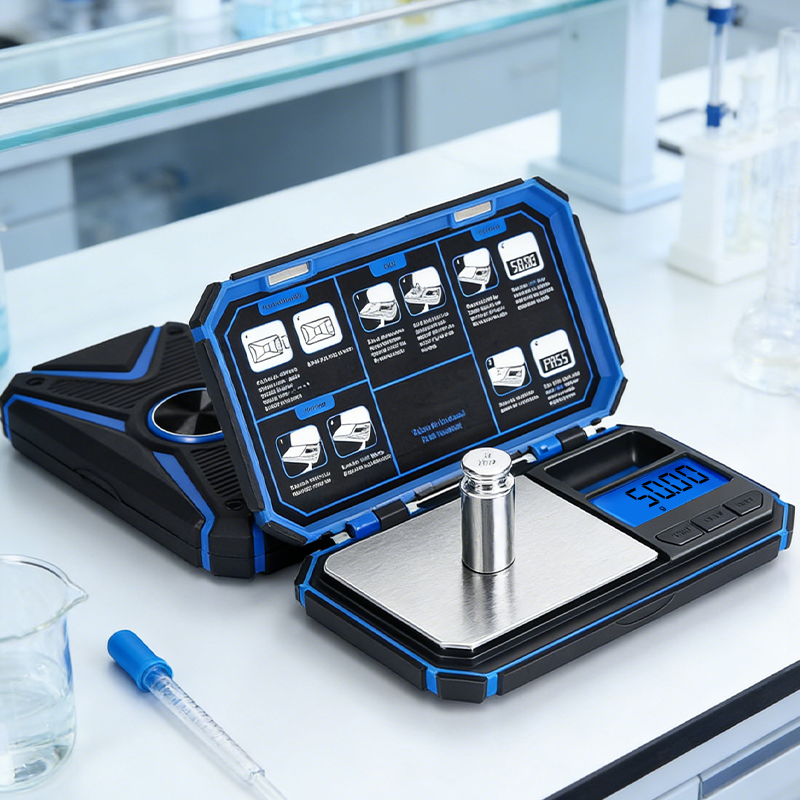
Getting measurements right is absolutely critical in jewelry making since even tiny differences below 0.01 grams can really affect how much materials cost and whether products meet quality standards. According to some industry research, manufacturers who don't have scales accurate to at least 0.01 grams end up losing around $740,000 every year just from weighing mistakes (Ponemon Institute study from 2023). Accuracy alone isn't enough though. Jewelers need special calibration settings for different materials like gold alloys, precious stones, and platinum. These settings handle all sorts of behind-the-scenes math automatically so workers don't have to do tedious conversions when working with metals or setting stones. Take gold for instance it comes in various karats which means different densities, and gemstone calibrations deal with those weird shapes and light bending effects that make regular scales unreliable.
Modern scales for jewelry must integrate directly with Enterprise Resource Planning (ERP) systems through API-ready interfaces, transforming raw weight data into actionable inventory insights. This integration enables automatic updates of material usage logs, real-time precious metal reconciliation, and lot traceability across production stages.
| Feature | Impact on Jewelry Operations |
|---|---|
| API Connectivity | Reduces manual data entry errors by 67% |
| Audit Trail Generation | Enables full material traceability for compliance |
| Auto-Lot Assignment | Streamlines batch tracking for mixed-metal production |
Without these capabilities, manufacturers face inventory discrepancies averaging 9.3% monthly according to production audits. The most advanced scales now embed encrypted data logging that syncs with blockchain-based material passports—creating immutable records for conflict-free sourcing compliance.
When jewelry companies look for OEM partners, they tend to focus heavily on those minimum order quantity ads. But what really matters goes way beyond just the sticker price. Think about plating processes needed to prevent corrosion in those damp workshop conditions - that alone can bump up individual item costs somewhere between 12 to maybe even 18 percent. Then there are tooling charges for creating custom packaging solutions or special display features which help brands stand out from competitors. These typically run anywhere from around $1,200 to as much as $5,000 depending on how many design changes happen during development. And let's not forget about material differences either. Gold weighs in at roughly 19.3 grams per cubic centimeter compared to titanium's 4.5 grams per cubic centimeter. This means different programming requirements for each metal type, adding another 15 to 25 percent to production expenses per batch. Some honest suppliers will give detailed cost breakdowns right upfront, but plenty of others hide these extra charges under vague categories like "miscellaneous engineering" costs instead.
Single-supplier dependencies create production vulnerabilities when scaling jewelry operations. Implementing dual-sourcing—partnering with two pre-vetted OEM scale manufacturers—cuts lead times by 32% while maintaining ±0.005g precision. Critical tactics include:
This approach prevents bottlenecks when demand spikes for holiday collections. Rigorous first-article inspections and quarterly process audits ensure both partners meet identical tolerances required for jewelry certification.
Shenzhen ACCT Electronics provides professional OEM/ODM electronic scales (pocket, kitchen, bathroom, postal) for global B2B clients. 20+ years’ experience, ISO9001 & CE/RoHS certified, 8M pcs/year capacity. Trusted by EU & NA partners. Request quote today.