EN
EN



Visual portion estimation consistently undermines dietary accuracy. Research from the University of Utah (2023) shows people underestimate calorie intake by 20–50% when eyeballing servings—a “calorie gap” that accumulates silently. A mismeasured tablespoon of peanut butter, for example, adds over 100 unlogged calories daily. Dense foods like pasta and oils are especially deceptive: a 10% weighing error can mean 200+ extra calories per meal. A digital food weight scale eliminates this guesswork with gram-level precision. Unlike volume measurements—affected by settling, packing, or ingredient density—weight-based tracking aligns directly with nutritional databases and label data, bridging the gap between intention and reality.
Regular scale use transforms chaotic eating into calibrated routines. A 12-week BMJ study found participants who weighed ingredients daily maintained 30% higher dietary consistency than those relying on visual estimation. This precision delivers three key behavioral advantages:
Unlike restrictive diets, this approach builds kitchen literacy. Users internalize true portion sizes—80g of chicken, 40g of almonds—until they become intuitive visual references. That skill persists even when the scale is set aside, making it foundational for long-term weight maintenance.
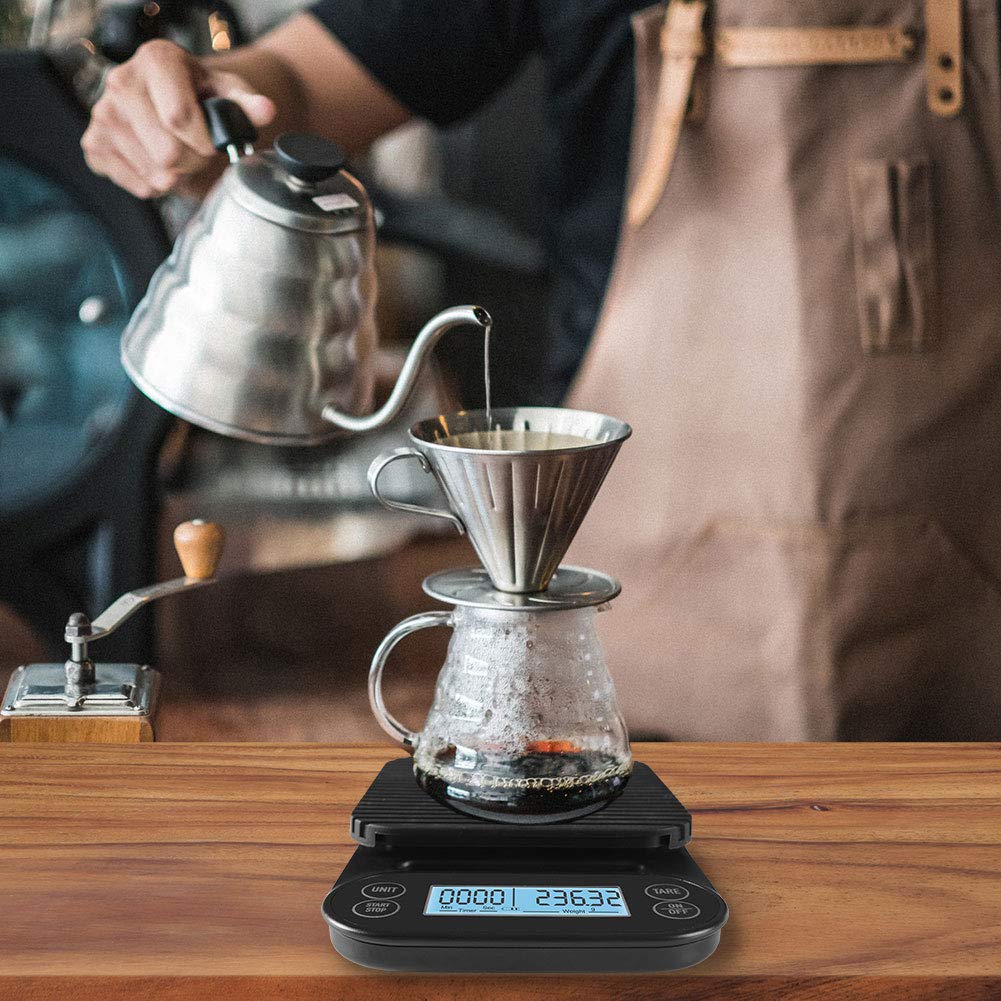
The tare function—resetting the scale to zero after placing a bowl or container—is essential for measuring individual ingredients without manual subtraction. It’s indispensable for multi-component meals like layered salads or baked goods, where cumulative accuracy determines both flavor and nutrition. Unit conversion (grams/ounces/milliliters) supports international recipes and diverse tracking needs—for instance, converting 150g of oats to milliliters ensures proper hydration in overnight preparations. Without these features, culinary efficiency studies show measurement errors can reach 20%, undermining recipe fidelity and macro consistency.
High-precision load cells—accurate to ±1g—are critical for low-weight ingredients like spices or baking powder, where minor deviations alter taste, texture, or nutritional outcomes. Backlit displays with oversized, high-contrast digits remain legible under overhead lighting or behind large mixing bowls, preventing misreads during active cooking. Durable construction—including stainless steel platforms and water-resistant seals—handles daily spills, steam, and impact. Industry testing confirms scales with reinforced housings retain calibration three times longer than plastic alternatives under regular use, ensuring long-term reliability without frequent recalibration.
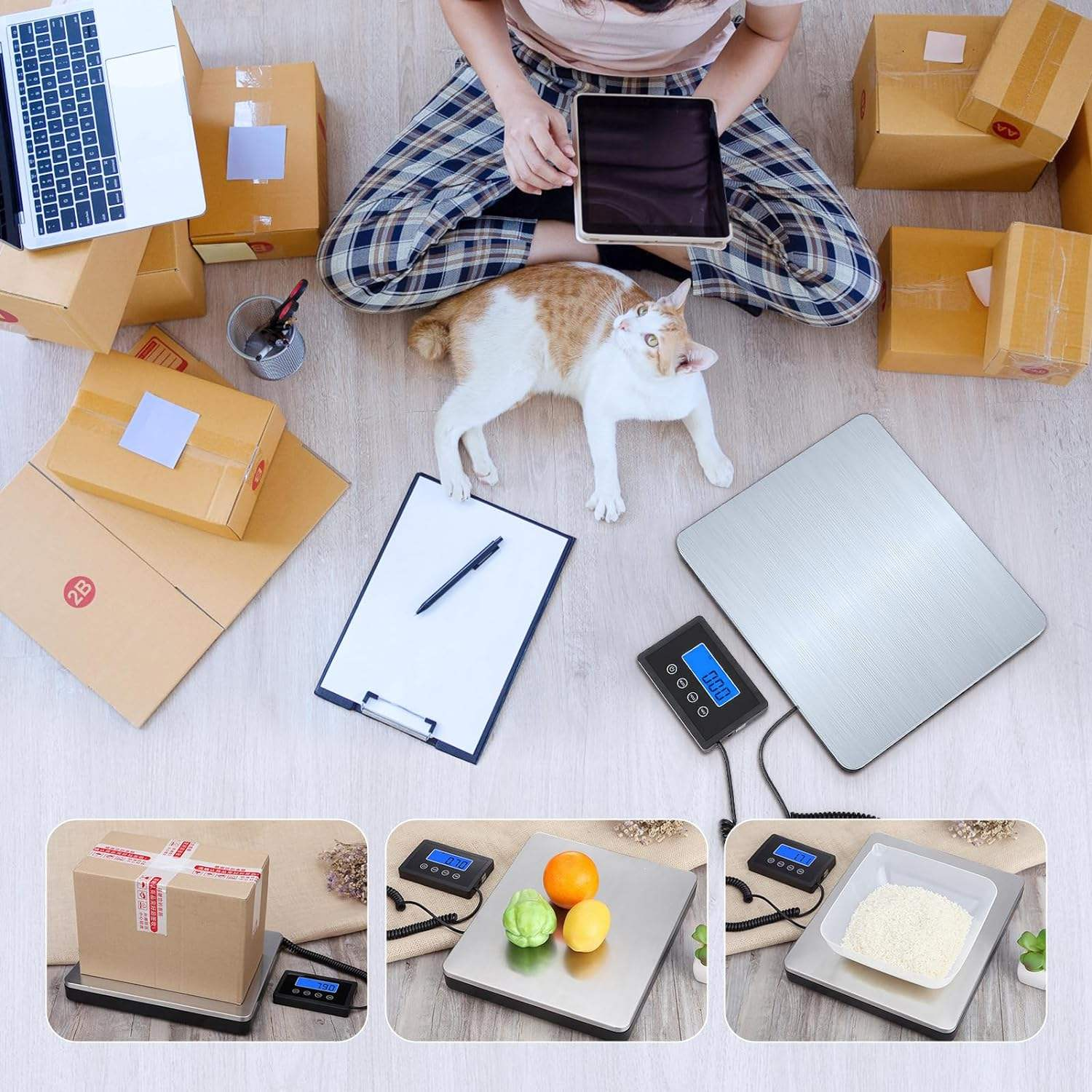
Selecting the right food weight scale means matching its technical specs to your primary use case. For home kitchens, prioritize compact units (under 1 lb footprint) with 5–11 lb capacity and waterproof surfaces for quick cleanup. Meal preppers benefit from larger platforms (≥8" × 8") that accommodate bulk containers and support cumulative tare-based tracking. Clinical or therapeutic settings demand medical-grade precision (±0.1g), antimicrobial materials, and calibration stability—where portability is secondary. A 2024 consumer survey found 68% of users abandoned scales incompatible with their main use case within three months, highlighting how critical this alignment is.
While basic digital scales meet most portion-control needs, smart features deliver measurable value in targeted scenarios. Bluetooth syncing and app integration streamline macro tracking—automatically logging nutritional data across meals and saving users an average of 12+ minutes daily, per behavioral nutrition research. Data historians help athletes, clinicians, or people managing diabetes identify patterns through weekly consumption reports. However, these capabilities increase cost by 30–50% and add technical complexity—unnecessary for casual or infrequent users. Reserve connected food weight scale models for cases where real-time feedback, longitudinal insights, or seamless integration meaningfully support your goals.
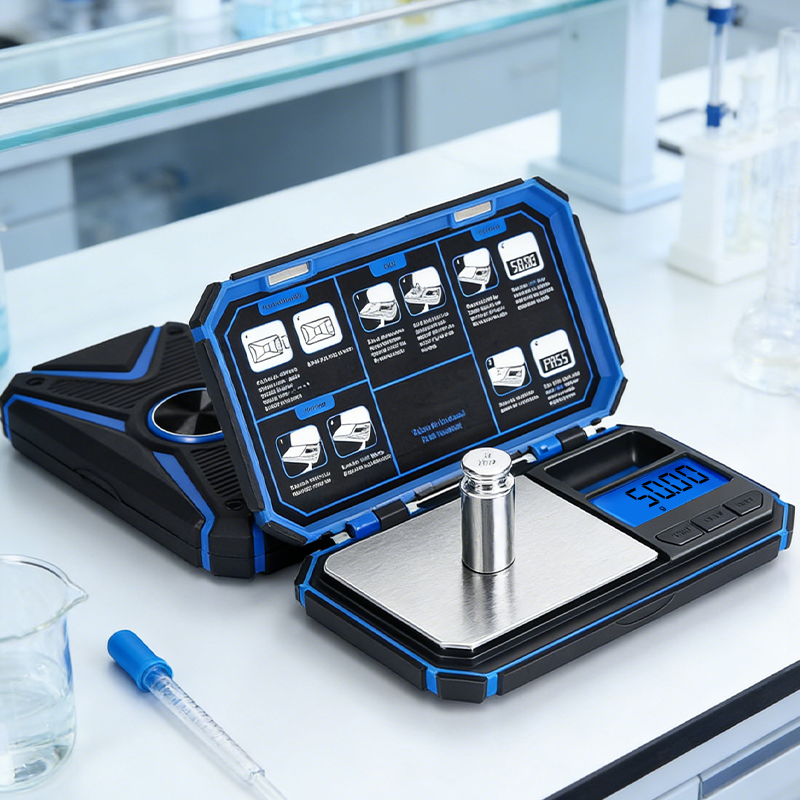
Proper setup and routine maintenance preserve your food weight scale’s precision over years—not months. Begin by placing it on a flat, vibration-free surface: uneven countertops introduce up to 10% measurement error, per laboratory equipment standards. Calibrate monthly using certified calibration weights—especially after moving the device or exposure to temperature swings. For digital models, avoid moisture ingress and wipe the platform after each use with a dry microfiber cloth; residue from flour, oils, or sticky ingredients degrades sensor sensitivity over time. Follow these best practices:
Adhering consistently to these steps reduces measurement drift by 92% compared to neglected devices—ensuring your scale remains a trusted, long-term cornerstone of accurate portion control.
Portion control is crucial for maintaining a balanced diet and preventing calorie overconsumption, which can lead to weight gain and related health issues.
A food weight scale offers precise measurements, eliminating the inaccuracies that come with visual estimation, thereby supporting accurate dietary tracking.
Regular use of a food weight scale promotes dietary consistency, reduces decision fatigue, and facilitates healthier eating habits over time.

Shenzhen ACCT Electronics provides professional OEM/ODM electronic scales (pocket, kitchen, bathroom, postal) for global B2B clients. 20+ years’ experience, ISO9001 & CE/RoHS certified, 8M pcs/year capacity. Trusted by EU & NA partners. Request quote today.