EN
EN


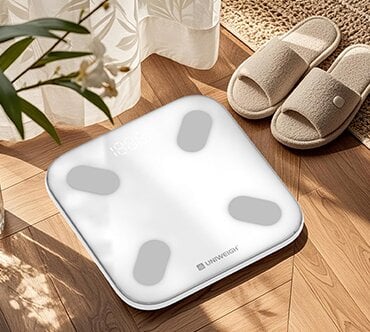

When people measure ingredients with cups and spoons, they're actually inviting all sorts of problems into their cooking. Take flour for instance it packs differently every time someone grabs a scoop, sometimes making a difference of over 20% just from one measurement to the next. And don't even get me started on sticky stuff like honey which clings to everything and makes accurate measurements nearly impossible. These little inconsistencies really mess with what comes out of the oven or pan. Studies have shown that when following recipes based purely on volume measurements, the end result can vary by as much as 30%. That's why serious cooks invest in kitchen scales. These devices cut out all the guesswork by giving exact weights in grams or ounces. No more wondering if the spoon was properly filled or if the cup was packed down too hard. The scale just tells it like it is.
The science backs it up - weight based measurements just work better than other methods. According to USDA research, modern digital scales can measure ingredients with incredible accuracy, staying within 0.1% of their true weight no matter what they're weighing. King Arthur Baking did some tests too, and found something interesting. When bakers used scales that measured down to the gram, their test batches turned out consistently good about 98 times out of 100. That's way better than the old volume method which only worked around 72% of the time. What makes this possible? Those little load cells inside digital scales detect tiny changes in weight that our eyes simply can't see. For anyone serious about cooking or baking, these scales aren't just helpful tools anymore. They're essential if we want to get our nutrition right and make sure our recipes turn out the same every single time.
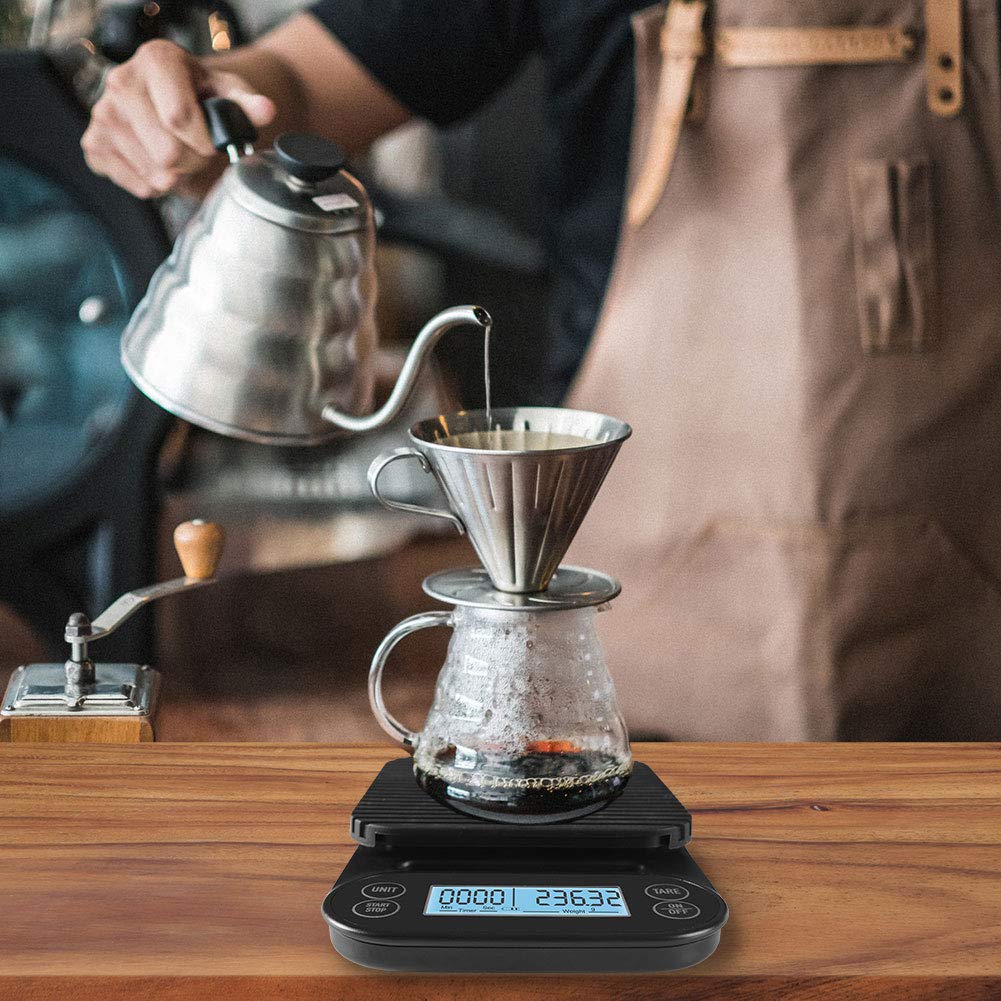
Food weight scales today take all the guesswork out of measuring thanks to three main features that really make a difference. First off, there's the tare function which lets anyone reset the scale to zero no matter what container they're using. This means people can just keep adding ingredients one after another without having to do head math between each addition. Then we have unit conversions from grams to ounces to pounds, something incredibly handy for folks following recipes from around the world. Bakers especially appreciate this since even small changes in flour amounts can completely change how their baked goods turn out. What stands out most though is the 0.1 gram resolution on good quality scales. This level of detail matters a lot when working with things like yeast or salt where getting the right amount makes or breaks a recipe. While exact numbers vary, most home cooks find that weighing ingredients gives them about 20% better consistency compared to measuring by volume. That's why serious cooks tend to reach for kitchen scales rather than relying on cups and spoons for anything important.
User friendly designs really change how people work in their kitchens day to day. Most units come in compact sizes around 6 by 8 inches, which means they can squeeze into tight spots but still handle regular sized bowls without any issues. The best part? Many energy efficient versions last between six to twelve months on just one small coin cell battery, so there's no need to stop cooking halfway through a recipe. Big screens with LED or LCD displays plus backlighting make it easy to see settings even when lighting is poor or when looking from odd angles. All these thoughtful touches help prevent hand strain during long periods of food preparation. That explains why over half of home cooks who care about getting things done faster have started using these appliances regularly since last year.
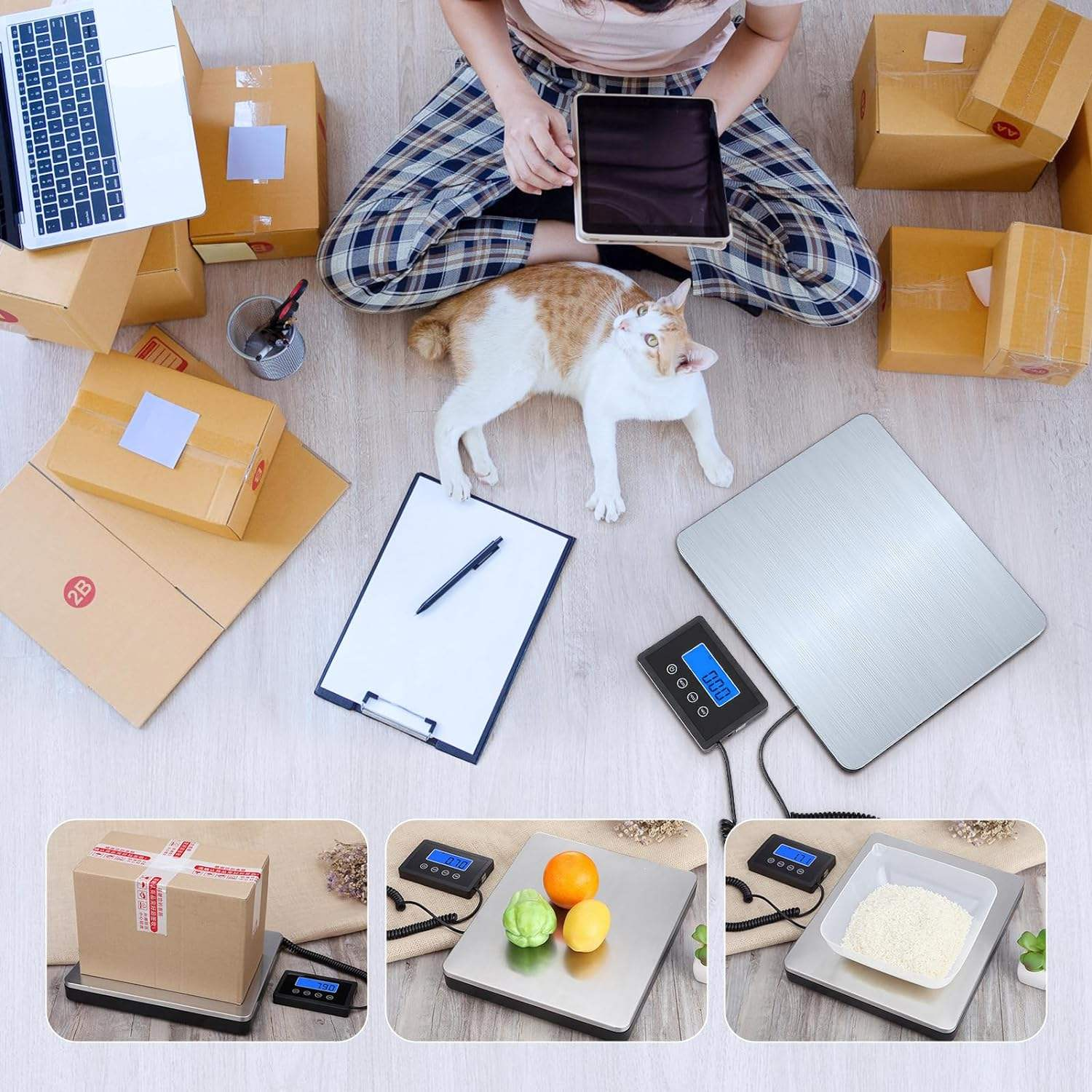
In busy commercial kitchens, chefs need reliable food scales that can keep up with constant activity while still meeting health codes. Most professional kitchens work best with scales that range from 5kg all the way up to 30kg or more. These ranges cover everything from measuring out single spices to handling large deliveries of produce. Having one scale instead of several different ones cuts down on contamination problems since there's less equipment lying around. When it comes to getting certified, NSF and CE marks aren't just nice to have—they're essential requirements. These certifications prove the scale materials can survive harsh cleaning chemicals and still maintain proper sanitation standards worldwide. Restaurants that skip these certifications could face serious financial penalties, sometimes as much as ten thousand dollars for each mistake according to FDA guidelines from last year. The stainless steel construction and built-in overload safeguards help these scales last through long shifts, often running nonstop for 18 hours straight without breaking down, which keeps food prep moving smoothly throughout the day.
| Feature | Professional Requirement | Impact |
|---|---|---|
| 5kg–30kg+ Capacity | Bulk ingredients to precise prep | Reduces weighing errors by ≅2% |
| NSF/CE Certified | Health-department compliance | Avoids legal penalties up to $10k |
| Stainless Steel | Sanitation resilience | Extends lifespan by 3–5 years |
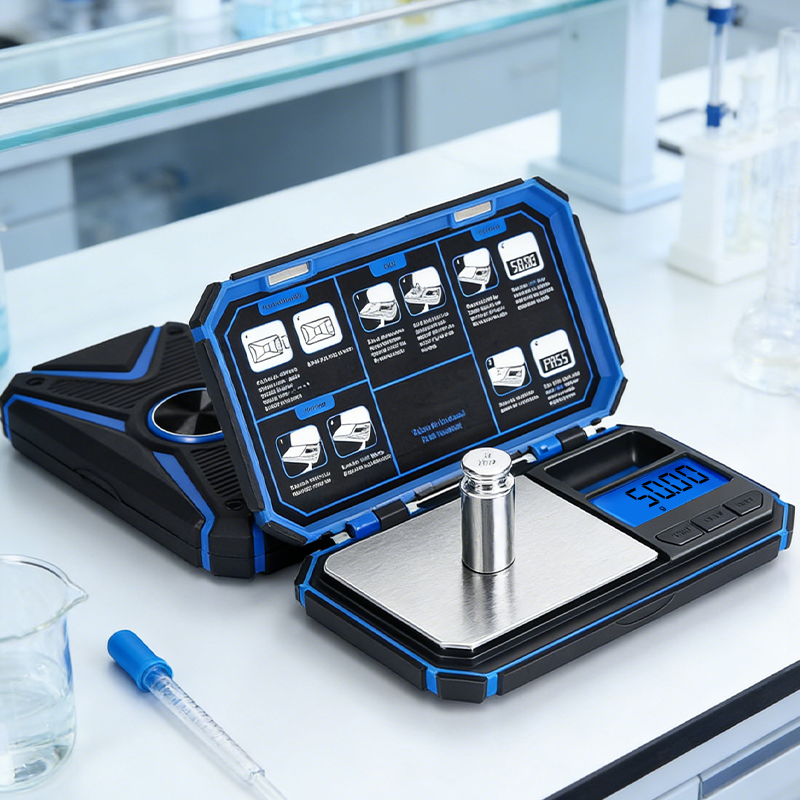
Factory calibration establishes initial accuracy, but periodic user recalibration is essential to sustain precision. Professional kitchens should perform monthly verifications using certified weights, as daily use can cause load-cell fatigue—reducing accuracy by 0.1% per 1,000 weigh cycles. To mitigate environmental errors:
For critical applications, use scales with automatic temperature compensation and overload protection. Leading manufacturers recommend recalibrating high-use commercial scales quarterly, while home models benefit from annual checks. Proper calibration protocols prevent measurement deviations that could compromise recipe integrity or regulatory compliance.
Shenzhen ACCT Electronics provides professional OEM/ODM electronic scales (pocket, kitchen, bathroom, postal) for global B2B clients. 20+ years’ experience, ISO9001 & CE/RoHS certified, 8M pcs/year capacity. Trusted by EU & NA partners. Request quote today.