EN
EN



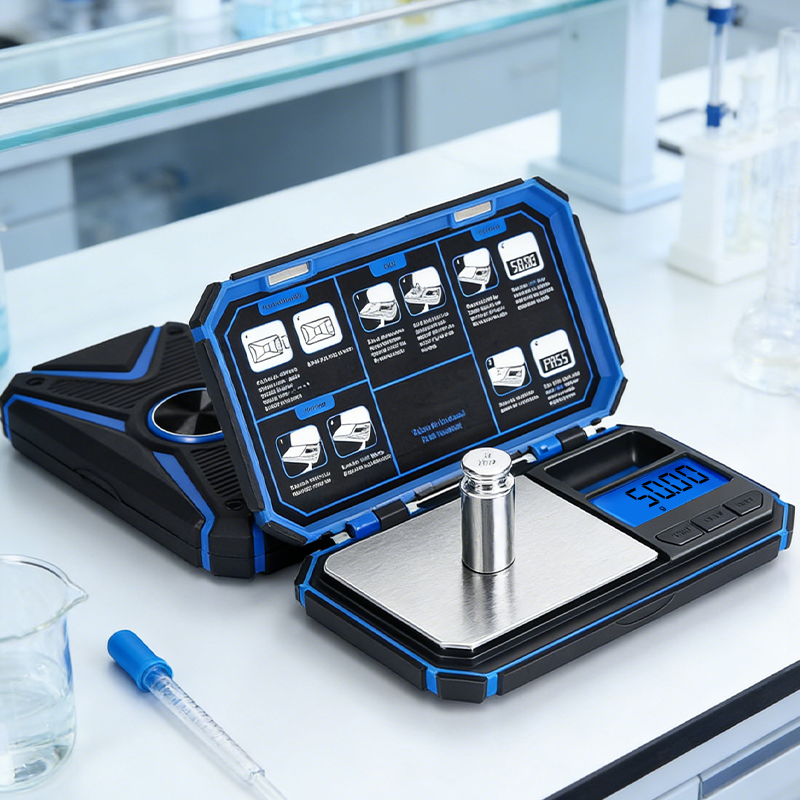
How finely a scale can measure stuff matters a lot when it comes to accurately valuing things. For regular jobs like weighing silver bars or bigger gems, most people get by with scales that show increments down to 0.01 grams. The tiny differences just don't make much difference in the overall price tag. But when dealing with something precious like gold dust or those little diamonds? That's where we need scales that go all the way to 0.001 grams. Let's put this into perspective: losing track of even 0.01 gram of pure gold costs around $74 these days according to market rates in 2024. Getting this level of detail right is what keeps money from slipping away in expensive deals. Especially important for anything weighing less than 5 grams, because those seemingly insignificant weight changes actually have a huge effect on what something is worth.
When we talk about precision, we're really talking about getting the same result every time when conditions are exactly the same. Accuracy means how close our measurement comes to what it actually should be. Think about weighing a diamond. A scale could consistently read 1.000 grams for a diamond that's really only 0.990 grams. That's technically precise, but definitely not accurate, which can lead to serious problems when valuing precious items. To avoid these issues, experts recommend checking both precision and accuracy regularly with proper calibration weights at least once a month. Let's say someone tests a 10 gram reference weight five separate times. If all readings fall between 9.998 and 10.002 grams, that shows good precision. Then they need to compare those results against official standards from NIST or similar organizations to make sure everything lines up correctly. This kind of regular maintenance keeps weighing equipment reliable for business transactions and satisfies all the necessary regulations too.
When it comes to jewelry work, picking the right calibration method really matters for accurate measurements. Calibration that traces back to NIST standards means using weights that have been checked against those official references from the National Institute of Standards and Technology. This kind of outside verification just makes sense when dealing with regulations or trying to settle disagreements about value. On the flip side, many jewelers rely on internal auto-calibration systems these days. These scales adjust themselves automatically through built-in mechanisms, which works great in busy spots like retail stores where speed counts. According to what we see in the field, most auto-calibrated scales stay within plus or minus 0.003 grams accuracy around 8 out of 10 times during regular operations. That's good enough for quickly sorting gems throughout the day, but definitely not something to trust for final appraisals where precision matters most.
Environmental stability is non-negotiable for reliable measurements. Air currents exceeding 0.2 m/s can displace readings by 0.01g on analytical scales—equivalent to a $15 variance in gold weight. Thermal drift accounts for 34% of calibration errors in uncontrolled labs. Mitigation strategies include:
What makes jewelry scales reliable over time comes down to their core weighing system. Strain gauges work by detecting changes in electrical resistance as things deform, which gives pretty good stability for everyday gold weighing tasks around 0.01 grams. But there's another approach altogether with electromagnetic force compensation or EMFC tech. These systems balance weights using magnetic fields instead, reaching amazing accuracy levels of 0.001 grams that are actually necessary for proper diamond valuation. The real advantage here is that EMFC doesn't have moving parts so it stays accurate even when temperatures change. Lab results indicate something like plus or minus 0.0003 grams drift compared to about 0.002 grams for those strain gauge models after going through temperature cycles. Sure, EMFC scales cost more upfront, but this resistance to drifting matters a lot when dealing with expensive stones where tiny differences in weight can affect their value quite substantially.
The right operational features work hand in hand with good hardware to stop expensive errors before they happen. Take instant tare for instance it gets rid of those pesky container weights when weighing loose stones, which really speeds things up when handling batches of gems. For tiny diamonds that stick everywhere because of static electricity, anti-static coatings or ionizers come in handy. They zap away those annoying charges that make light diamonds cling to surfaces, cutting down on measurement errors that can creep up to 0.02 grams in dry conditions. The screens matter too high contrast displays with adjustable lighting help jewelers read numbers clearly even under those harsh showroom lights. Some studies actually show this cuts reading mistakes by about 27%, though not everyone agrees on the exact number. All these little touches together cut down on human error during fast-paced sales, so whether someone is working at the counter or behind the bench, they get reliable results most of the time.
Precious metal and gemstone weighing requires something special beyond regular scales. That's where NTEP Class III certification comes in handy, turning ordinary measuring devices into official legal instruments. The National Type Evaluation Program handles these certifications, checking if scales actually meet those tough accuracy requirements laid out in NIST Handbook 44. Jewelers who skip this step could face serious consequences down the road. We're talking about potential fines over ten thousand dollars each time they get caught without proper certification, plus any transactions might not hold up in court either. What exactly does the certification check? It looks at how consistent measurements stay across different weights and whether the scale can handle outside influences messing with readings. This matters a lot when dealing with tiny differences in diamond weights for instance. Whenever money changes hands in the jewelry business, whether someone wants an appraisal on old family pieces or buys gold bars, having that NTEP Class III sticker means everyone gets protected legally. Both shop owners and customers benefit from knowing their deals are backed by regulation.
What is the importance of accuracy in jewelry scales?
Accuracy in jewelry scales is crucial for properly valuing items such as gold, silver, and gemstones. It helps prevent financial losses in transactions by ensuring that measurements reflect the true weight of the item.
How often should jewelry scales be calibrated?
Jewelry professionals are advised to check both precision and accuracy regularly with proper calibration weights at least once a month to ensure reliable measurements and compliance with regulations.
What is NIST-traceable calibration?
NIST-traceable calibration refers to the use of weights that are verified against standards from the National Institute of Standards and Technology, which is essential for regulatory compliance and resolving disputes over value.
How do environmental factors affect jewelry scale readings?
Environmental factors like air drafts, thermal drift, and vibrations can cause deviations in readings. Implementing strategies such as draft shields, vibration-isolation tables, and consistent environmental monitoring can minimize these errors.
Shenzhen ACCT Electronics provides professional OEM/ODM electronic scales (pocket, kitchen, bathroom, postal) for global B2B clients. 20+ years’ experience, ISO9001 & CE/RoHS certified, 8M pcs/year capacity. Trusted by EU & NA partners. Request quote today.