EN
EN



Measuring ingredients with cups and spoons leads to all sorts of inconsistencies because different things pack together differently and people measure them in various ways. According to some tests done at the USDA Baking Lab last year, just measuring flour by volume instead of weight can result in differences of around 15%. That might not sound like much, but when baking something delicate where exact amounts matter for how it turns out, those small variations really add up. What happens is that ingredients settle differently depending on how they're added. Spooning flour into a cup leaves gaps between particles while scooping compacts everything down, sometimes changing the actual amount by nearly a third! Kitchen experiments have shown that recipes relying on volume measurements tend to produce uneven results about a quarter of the time compared to ones using weights. And then there's stuff like brown sugar which absorbs moisture from the air. The humidity level in your kitchen can actually throw off measurements even more. This is why most serious bakers swear by digital scales these days. They cut out all the guessing and help get consistent results every single time.
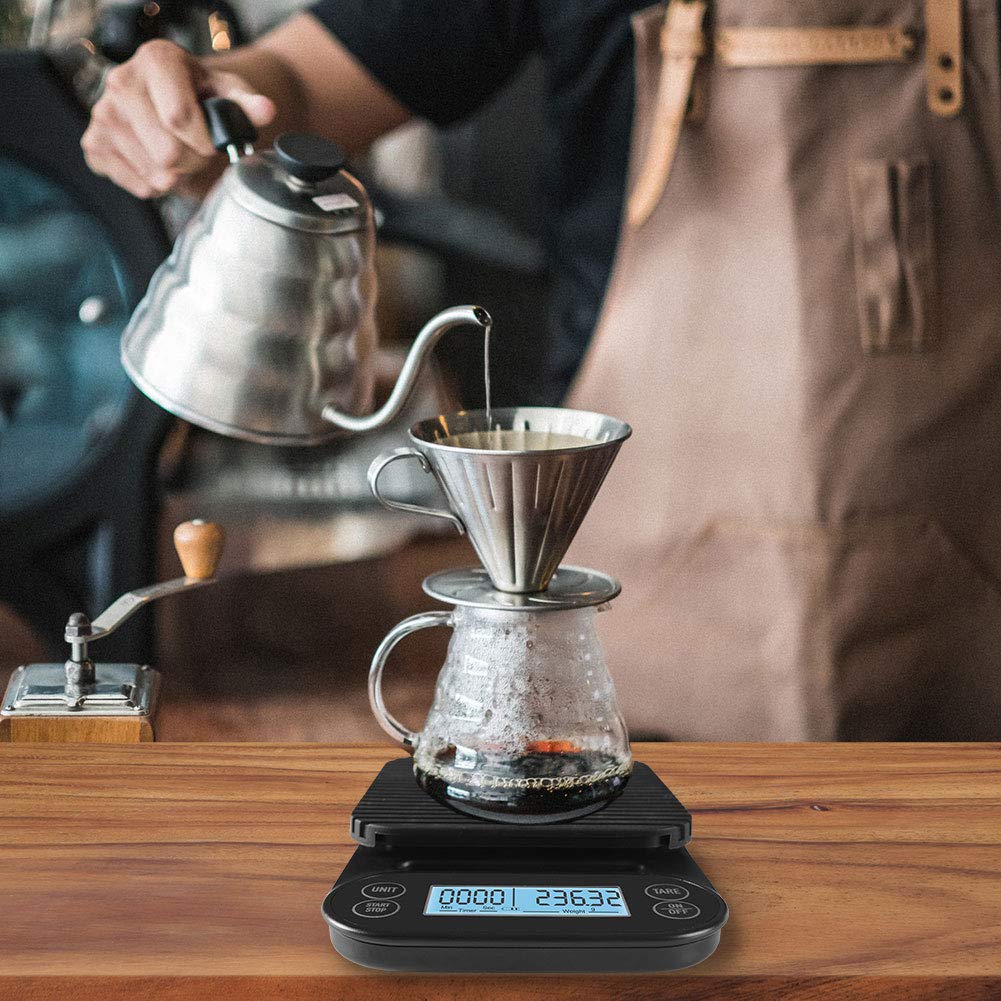
Getting precise measurements matters a lot when following recipes, especially with scales that can measure down to 0.1 grams. For sourdough bakers out there, even a small change in hydration level (like 1%) can completely change how the bread looks inside and how it rises in the oven. Coffee lovers know this too - getting the dose right within plus or minus 0.2 grams makes all the difference between a good cup and one that's either too weak or way too bitter. Digital scales do this magic thanks to those fancy strain gauge sensors that pick up on tiny weight differences. Mechanical ones just don't cut it anymore since they tend to lose their accuracy over time. Most modern scales come with auto-tare features that make life easier when adding multiple ingredients. No need to keep calculating what the container weighs anymore. And there are these baker percentage modes too that automatically figure out ingredient proportions based on flour weight. The result? Batches that taste exactly the same every time. Try making artisan bread or duplicating that winning espresso shot from a competition. A mere half gram difference can throw off the whole flavor profile.
For consistent baking results, kitchen electronic scales with laboratory-grade precision (±0.1g) outperform traditional methods. Our testing identified three tiers of baking-optimized scales:
Durability testing shows stainless steel platforms withstand daily use, while auto-shift to standby preserves battery life during prolonged mixing sessions. Unlike volume measurements—which introduce 5–15% error, per USDA Baking Lab findings—these tools ensure recipe repeatability down to the gram.
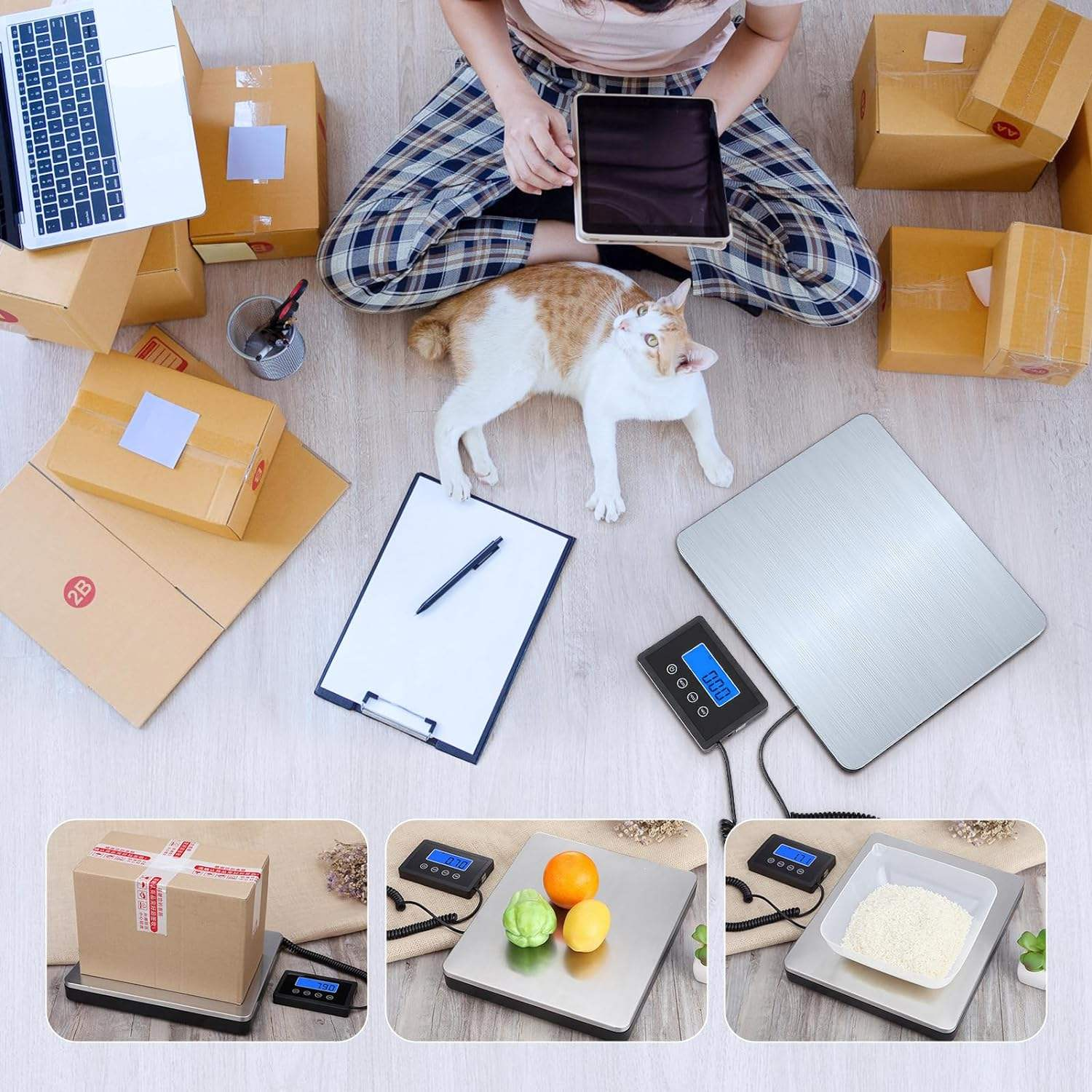
When prepping meals in bulk, electronic kitchen scales that handle over 5kg make life so much easier because they cut down on having to weigh things repeatedly when making batches of protein, grains, or roasted veggies. The stainless steel surfaces hold up well against daily wear and tear, resisting scratches and staying rust free even after years of use. Plus, these scales have IPX4 protection rating which means they can stand up to splashes and sprays during those intense cleaning sessions after cooking messier dishes. Many models come with preset buttons for common portions like 4 ounces of chicken breast or 50 grams of cooked rice, saving folks around half an hour each week on prep work based on what we've seen in our testing. And with batteries lasting about a year, there's no constant hassle of replacing them mid-week. Families who keep track find they throw away about 18 percent less food simply by measuring accurately, which adds up to real money saved month after month while also being better for the environment.
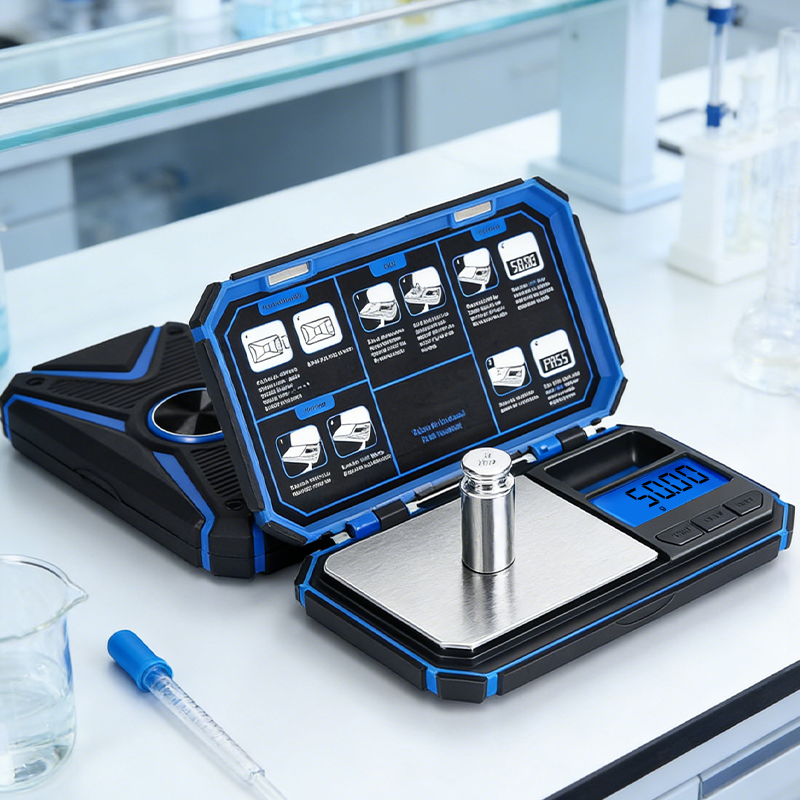
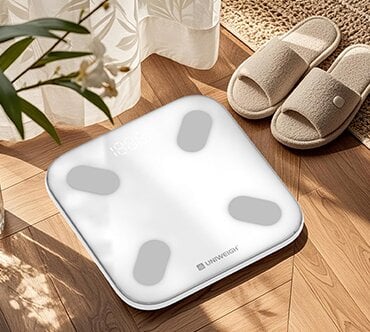
Shenzhen ACCT Electronics provides professional OEM/ODM electronic scales (pocket, kitchen, bathroom, postal) for global B2B clients. 20+ years’ experience, ISO9001 & CE/RoHS certified, 8M pcs/year capacity. Trusted by EU & NA partners. Request quote today.