EN


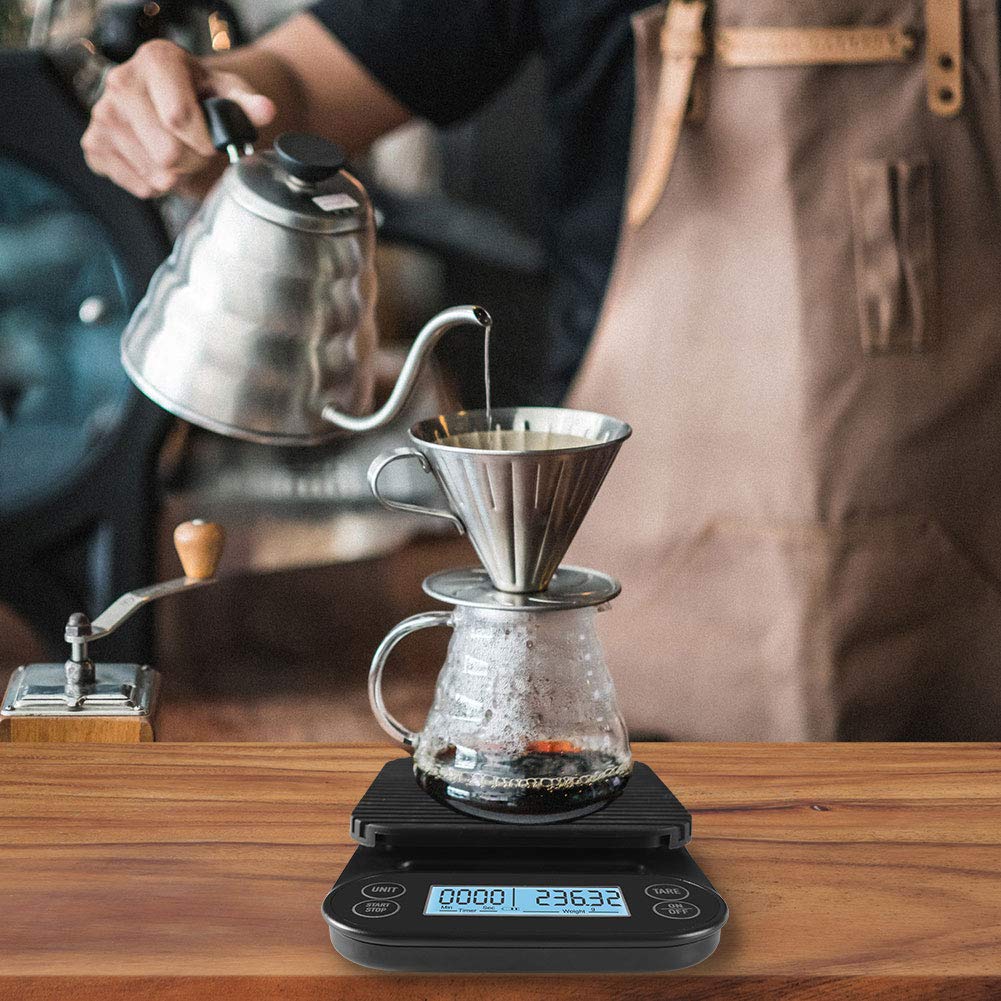
Food Weight Scale for Kitchens: Precision Matters
A food weight scale for kitchen work is less about chasing a fashionable gadget and more about making repeatable decisions. Whether the task is baking bread, portioning ingredients, or preparing a batch recipe, a scale should help the user see a stable reading, account for a bowl, and work within a suitable capacity. The useful question is not simply “is it precise?” It is whether the food weight scale for kitchen use matches the ingredients, containers, and workflow on the counter.
Start with the job, not a precision claim
Before comparing a food weight scale for kitchen use, list what will be weighed most often. Flour and spices call for a different reading experience than a large mixing bowl of ingredients. Batch cooking can place more demand on capacity and platform space. Portioning often benefits from a display that remains visible when a plate is on the platform.
That distinction matters because capacity, displayed increment, repeatability, and accuracy are related but not interchangeable. Capacity is the largest load a food weight scale for kitchen can accept. A displayed increment is the smallest step the screen reports. Repeatability is whether similar placements under similar conditions produce consistent readings. Accuracy is how closely the reading corresponds to a reference mass under defined conditions. A small increment alone does not establish every other quality.
Choose capacity around bowls, batches, and containers
A food weight scale for kitchen selection should include the vessel as well as the ingredients. If a user weighs dough in a large bowl, the combined bowl and ingredient weight must remain inside the scale’s stated range. A home-use reference point often seen in buying guidance is about 5 kg or 11 lb, but that figure is an example rather than a universal requirement. A compact food weight scale for kitchen setup may be adequate for small recipe work while a larger batch may need more headroom.
Check the platform footprint too. A wide bowl can block the display even when its weight is within range. Some users need a low-profile platform; others value a display position that can be seen past the edge of a container. Those are workflow checks, not cosmetic extras.
Decide what “precise enough” means for food work
For many recipe and baking tasks, a food weight scale for kitchen use with 1 g readability is a practical comparison point. Independent product-testing guidance frequently evaluates whether a kitchen scale can read consistently at this level and whether the display stays visible beneath cookware. Still, the intended recipe matters. A scale’s manual and model-specific specification should be reviewed before a buyer regards a displayed increment as a performance promise.
A sensible comparison routine uses the same test item, a stable surface, and repeated placements. Place the item near the center, remove it, and repeat. If readings vary unexpectedly, check the battery, platform, surface, and whether the item or bowl is touching another object. That simple routine reveals more about a food weight scale for kitchen workflow than a broad “high precision” label.
Use tare as a sequence, not a shortcut
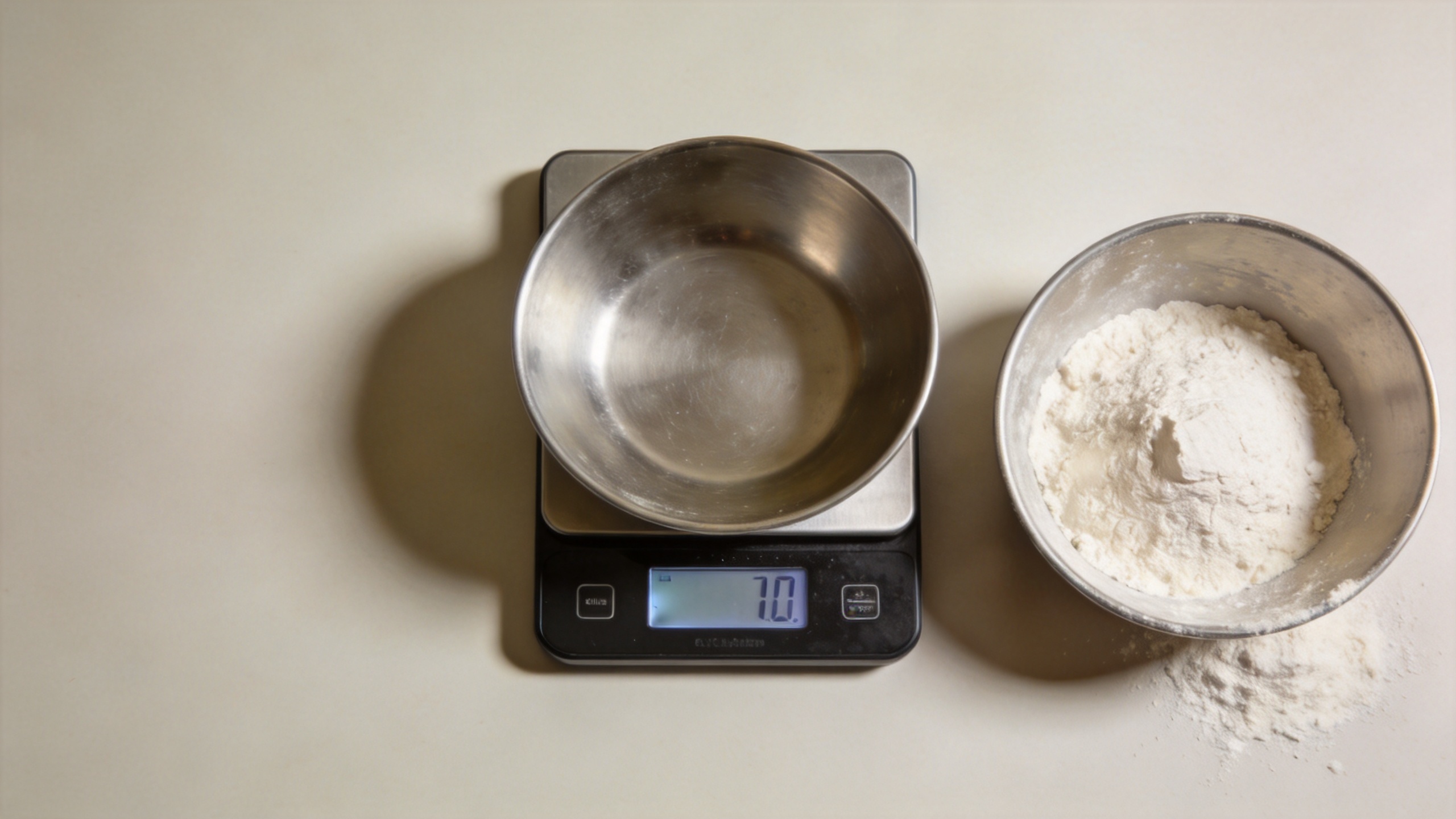
Tare makes container-based weighing easier when it is used in the right order. Put the empty bowl on the food weight scale for kitchen platform, wait for a stable reading, press tare, then add the first ingredient. If several ingredients are added in one bowl, tare between additions only when the recipe calls for separate measured amounts. Tare removes the container’s displayed weight; it does not correct for an unstable counter, an overloaded platform, or a reading taken before the scale settles.
- Set the food weight scale for kitchen on a firm, level surface.
- Choose the unit required by the recipe before measuring.
- Place the empty container centrally and wait for the display to settle.
- Use tare, add the ingredient steadily, and confirm the reading.
- For a repeatable check, remove and replace a known item under the same conditions.
Check units, controls, cleaning, and storage
The right food weight scale for kitchen work also has to be usable during a busy recipe. Confirm which units the model supports and whether the unit button is easy to identify. Look at button spacing, display contrast, automatic shutoff behavior, and how crumbs or splashes will be handled. Cleaning guidance should come from the specific product manual; electronic scales are not all maintained in the same way.
Storage matters as well. A unit that slides into a drawer may be convenient, but only if its platform and display remain protected. When assessing a food weight scale for kitchen range, buyers can ask for the model’s dimensions, capacity, displayed increment, unit options, power arrangement, operating instructions, and applicable documentation. It keeps the comparison tied to confirmed specifications.
A practical shortlisting checklist
- What is the heaviest bowl-and-ingredient combination expected?
- What displayed increment is useful for the recipes being prepared?
- Can the display be read with the usual bowl or pan in place?
- Does the food weight scale for kitchen workflow include tare and the needed units?
- Can it be placed on a stable, level counter and cleaned as the manual directs?
- Which model-specific specifications and documents can the supplier confirm?
Shenzhen ACCT Electronics identifies kitchen scales as part of its electronic-scale product coverage. For a sourcing discussion, share the intended use, expected load range, preferred units, container size, and market requirements. That information makes it easier to evaluate whether a proposed food weight scale for kitchen configuration fits the actual task instead of relying on general wording.
Final perspective
Precision becomes useful when it supports a repeatable kitchen routine. A food weight scale for kitchen should be judged by the relationship between capacity, readable increments, stable placement, tare workflow, display visibility, and the model details a buyer can verify. Begin with the ingredients and containers on the counter, then request the specifications that turn a general scale category into a suitable choice.