EN


Choosing Accurate Kitchen Scales: What to Look For
Accurate kitchen scales make recipes easier to repeat, but the display is only one part of a dependable weighing routine. Whether you are baking bread, portioning ingredients, or checking a recipe in a bowl, the useful question is not simply “Which scale is most precise?” It is: which accurate kitchen scales match the load, container, workspace, and way you cook?
From an everyday food-weighing perspective, accurate kitchen scales should help you set up a clear process: place the scale on a firm surface, select the intended unit, tare the container when needed, add the ingredient, and wait for the reading to settle. That sequence matters. A fine displayed increment alone does not establish real-world accuracy.
Start With What You Need to Weigh
Before comparing accurate kitchen scales, list the ingredients and vessels you use most often. A small scale may work well for spices, coffee, or single portions, while a larger bowl, mixing vessel, or batch of dough needs sufficient capacity and platform space. If the bowl crowds the display or extends far beyond the platform, the scale can become inconvenient even if its specification looks suitable on paper.
Use case also affects the range you need. A scale that is adequate for a few grams of yeast may not suit a heavy stockpot, and a high-capacity model may not give the most useful display behavior for very light ingredients. Choose accurate kitchen scales around the normal load range rather than buying solely by the largest number on the box.
Separate Capacity, Display Increment, and Accuracy
These terms are often grouped together, although each answers a different question. Capacity is the maximum load the scale is designed to handle. The displayed increment is the smallest change the screen shows, such as 1 g or 0.1 g. Accuracy describes how closely a reading corresponds to the actual weight under stated conditions. When comparing accurate kitchen scales, do not treat a smaller displayed increment as an unconditional accuracy promise.
That distinction is especially important for light ingredients. Measurement guidance from NIST notes that relatively light loads can produce larger errors on an unsuitable device, while vibration and moving air can affect a reading. In a kitchen, practical controls are simple: use a solid, level counter; keep the scale clear of drafts; center the item; and allow the value to stabilize. These steps help accurate kitchen scales deliver readings that are easier to interpret.
Check Units and Readability Before You Buy
For many cooks, grams are the everyday starting point, but ounces, pounds, fluid ounces, or milliliters may also matter depending on your recipes. Confirm that the units on accurate kitchen scales match the recipes you actually follow. Switching units is useful only when the display is clear enough to read and the control is easy to use with floury or damp hands.
Look at the screen from the position in which you normally work. A tall mixing bowl can block a low display. Large digits, sensible button placement, and a readable angle can make accurate kitchen scales more practical during a busy preparation sequence. Also check whether the controls let you reset a container weight without losing your place in the recipe.
Understand What Tare Does—and Does Not Do
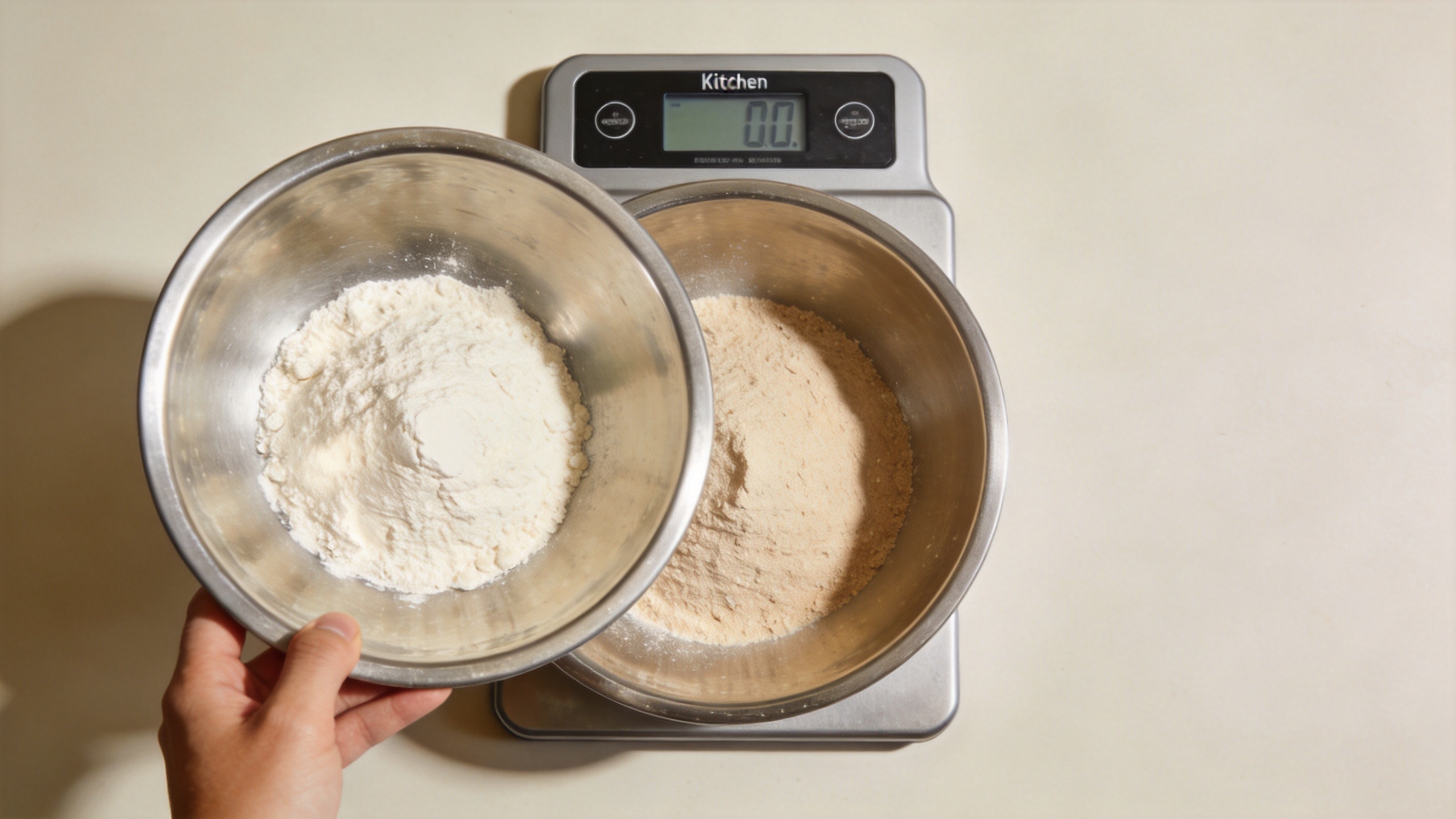
Tare removes the weight of a bowl, plate, or other container so you can measure the ingredient added to it. This is one of the most useful functions on accurate kitchen scales because it supports one-bowl recipes and reduces mental arithmetic. Place the empty vessel on the platform, wait for the display to settle, activate tare, then add the ingredient.
However, tare does not correct every source of variation. It does not fix a scale placed on a soft mat, an item that is not sitting securely, a drifting display, or a load beyond the intended range. Treat tare as a container-weight tool, not as calibration. With accurate kitchen scales, correct setup still comes first.
Use a Short Repeatability Check at Home
A practical way to evaluate accurate kitchen scales is to use a known, repeatable item under normal kitchen conditions. Start with a clean platform on a firm counter. Weigh the same item several times, removing and replacing it gently and near the center of the platform. This is not a laboratory test. It simply shows whether the readings behave consistently for the task you have in mind.
Then repeat the exercise with the bowl you use most often. Tare the bowl, add the same item, and compare the result with the direct weigh-in. If the display is difficult to settle or changes unexpectedly, first check batteries, surface stability, placement, and nearby airflow. This method gives you more useful information about accurate kitchen scales than a feature list alone.
Match the Platform and Body to Kitchen Habits
Platform size, cleaning needs, and storage location influence whether accurate kitchen scales will be used regularly. A flat platform is easy to wipe after dry ingredients, while a removable or protective arrangement may suit messier work. Consider whether the scale will live in a drawer, stay on the counter, or travel between stations. A compact body can save space, but it should still support your usual container safely.
For food weighing, a stable routine is usually more valuable than extra modes you will not use. Kitchen-scale options from Shenzhen ACCT Electronics are positioned for food-weighing conversations, but model-specific capacity, increment, units, cleaning guidance, and available features should be confirmed before selecting a configuration. This is a useful reminder that accurate kitchen scales should be assessed against the actual model specification, not a general category claim.
Questions to Ask Before Selecting a Model
- What is the heaviest bowl, pan, or ingredient batch I expect to weigh?
- What is the smallest ingredient amount for which I need a readable measurement?
- Which units appear in my regular recipes?
- Will the platform support my normal container without hiding the display?
- Can I use tare easily during multi-ingredient preparation?
- Where will the scale sit, and is that surface firm and level?
- Which model-specific specifications and operating instructions should I verify before purchase?
A Simple Decision Framework
For accurate kitchen scales, begin with task fit, then verify the specifications that support it. Choose enough capacity for the vessel and recipe, an increment that is meaningful for the ingredients you measure, units you can use confidently, and a platform/display arrangement that works in your kitchen. Next, use a stable surface and a short repeatability check to understand how the scale behaves in practice.
One headline number does not define accurate kitchen scales. They are the result of a suitable model, appropriate load range, clear controls, correct tare use, and steady operating conditions. When those pieces work together, you can make purchasing and everyday weighing decisions with a clearer basis.
Frequently Asked Questions
How can I tell whether kitchen-scale readings are dependable?
Use the same known item several times on a firm surface, placing it near the center and waiting for the display to settle. Consistent results under the conditions you use are a practical sign that the workflow is functioning sensibly. If results vary, inspect setup factors before drawing conclusions about accurate kitchen scales.
Does a 0.1 g display make a kitchen scale accurate?
Not by itself. A 0.1 g increment describes what the screen can display; it does not state how closely every reading matches an actual weight in every condition. For accurate kitchen scales, assess the intended load, surface, placement, and the manufacturer’s model-specific information together.
Why do my readings change after I tare a bowl?
Check whether the bowl is stable, the scale is on a firm surface, the battery condition is adequate, and the item is centered. Tare removes the container’s displayed weight, but it cannot compensate for movement or an unsuitable setup.