EN


Explore Digital Pocket Scales with High Precision
A high precision digital pocket scale is easiest to evaluate when you begin with the item, not with a headline specification. A small scale for jewelry-sized pieces, ingredients, samples, or parts needs to suit the load, the way the item is placed, and the environment in which it will be used. From a small-parts handling perspective, that practical sequence is more useful than treating a fine displayed increment as an automatic promise of accuracy.
For buyers comparing a high precision digital pocket scale, three terms deserve to be kept separate: capacity, readability, and accuracy. Capacity is the largest load the scale is designed to weigh. Readability is the smallest change the display can show. Accuracy concerns how closely a reading represents the actual weight under stated conditions. That distinction may sound technical, but it keeps a comparison honest.
Start with the job a high precision digital pocket scale must do
Before choosing a high precision digital pocket scale, write down the heaviest item, the lightest meaningful change, the unit you need, and where the scale will sit. A compact scale used for a few small parts on a steady bench has a different requirement from one carried between stockrooms, counter spaces, or travel locations. Portable does not automatically mean suitable for every task; the item weight and handling method still matter.
Ask a simple question: will the scale mainly weigh loose small items, items in a tray, or a container with material added gradually? A high precision digital pocket scale may be a sensible format for the first two cases, provided its platform arrangement, capacity, and unit options match the workflow. For container-based work, tare can be helpful, but it does not remove the need to confirm the selected unit or ensure the scale is placed securely.
Readability is not the same as verified measurement accuracy
Many product listings use formats such as 200 g × 0.01 g, 300 g × 0.01 g, or 500 g × 0.01 g. These are examples of capacity and displayed increment seen in current market listings, not specifications for every model. When a buyer sees a high precision digital pocket scale with a fine increment, the useful follow-up is whether that increment supports the actual decision being made.
A display that changes in hundredths of a gram can be useful for close comparisons, but a high precision digital pocket scale should still be assessed with its stated operating conditions, calibration guidance, and a representative test item. In short, a fine display can improve readability; it should not be converted into an unverified blanket claim about performance.
That is the starting point. The next question is whether the required capacity and unit match the task. For example, someone comparing small jewelry-sized items may prioritize a fine readable increment and relevant units. A buyer weighing a larger sample in a container may first need enough capacity after the container is included. A high precision digital pocket scale is a fit only when those priorities line up.
Check the conditions around a high precision digital pocket scale
Portable weighing happens in real settings rather than ideal diagrams. For a high precision digital pocket scale, a firm, level surface helps the user interpret a reading more consistently than a soft bag, an uneven shelf, or a moving vehicle. Keep the scale clear of vibration, avoid crowding the platform, and allow the displayed value to settle before recording it.
In many everyday setups, confirming the unit before adding an item prevents a simple mix-up. Place the scale on a stable surface, switch it on, verify the unit, position an empty container if needed, use tare if the manual supports that workflow, add the item, and wait for the display to settle. This process does not replace model-specific verification, but it makes a high precision digital pocket scale easier to use in a repeatable way.
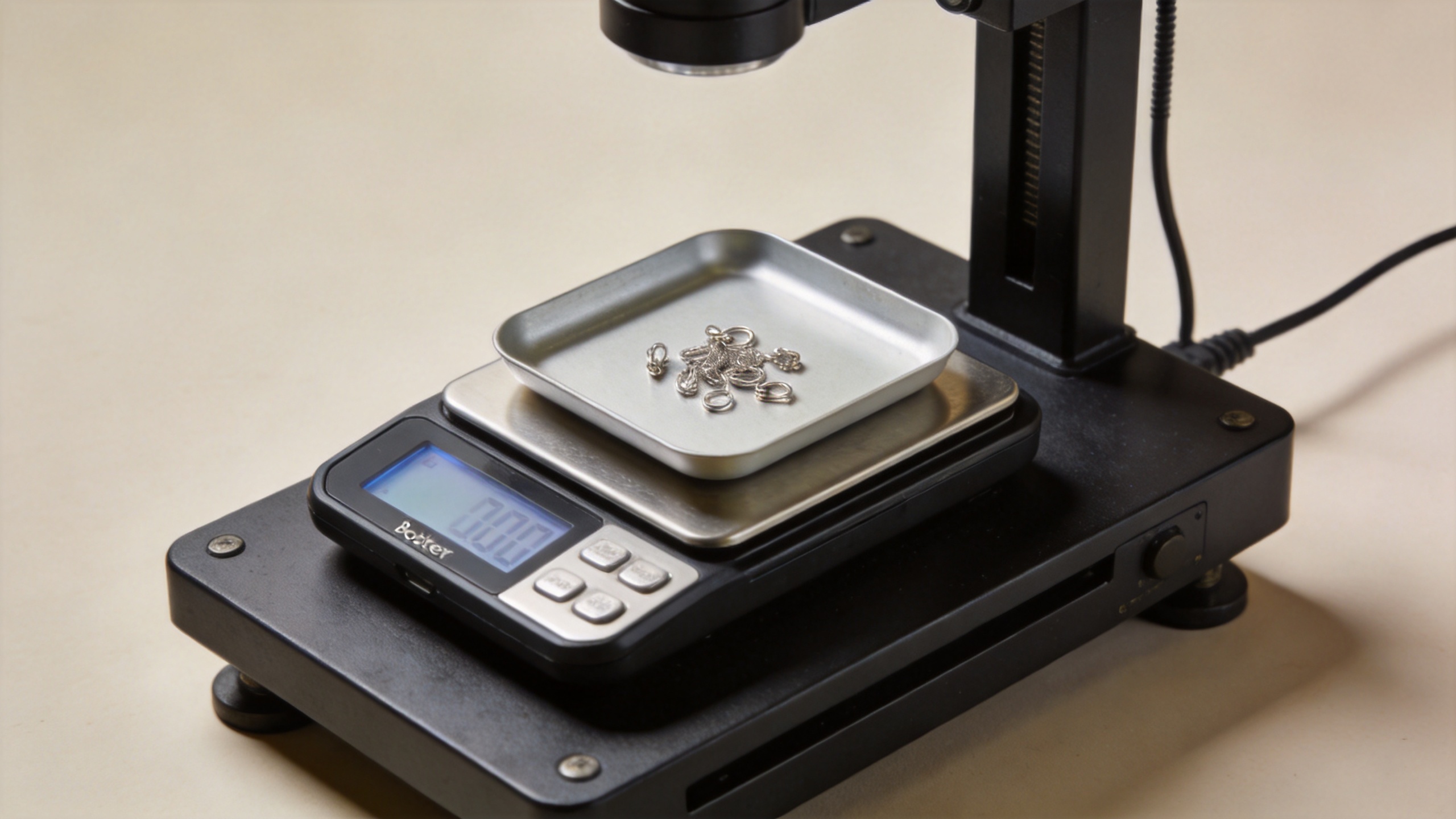
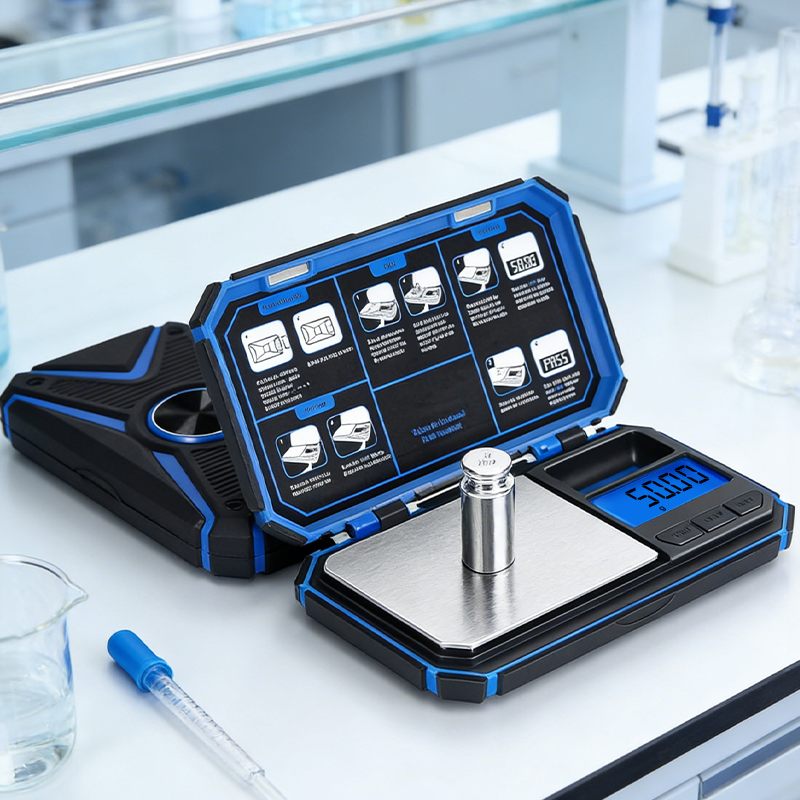
Calibration is another verification point. The correct method, suitable reference weight, and supported calibration procedure should come from the exact model documentation. For a sourcing project, request the current manual and any relevant test or configuration information before presenting a high precision digital pocket scale as the final choice for a sensitive application.
Evaluate portability as part of measurement fit
Size is not only a storage question. A high precision digital pocket scale needs enough platform access for the items and containers it will receive, while its protective storage and controls should suit how it travels. If the scale is carried in a drawer, tool case, retail kit, or bag, ask how it will be protected from pressure, debris, and accidental button presses.
Display visibility matters as well. A high precision digital pocket scale that is easy to read at a desk may be harder to inspect when the user is standing, leaning over a counter, or working under uneven lighting. Rather than assuming a backlight or compact body resolves every issue, include the expected operating posture in your sample review.
A practical comparison checklist
When reviewing a high precision digital pocket scale, use the same questions for each option:
- What is the heaviest item, including any container or tray?
- What displayed increment is useful for the actual decision?
- Which units must be available and easy to confirm?
- Will the scale be used on a firm, level surface?
- Is tare needed for the normal workflow?
- Does the platform, display angle, and storage arrangement suit the use setting?
- Which model-specific manual, calibration instructions, and current documentation should be reviewed?
This checklist turns a broad search for a high precision digital pocket scale into a set of questions a technical buyer, distributor, or end user can answer. It also makes it easier to compare quotations on like-for-like configuration details instead of relying on generic high-precision language.
How B2B buyers can prepare a clearer inquiry
For an OEM or wholesale inquiry about a high precision digital pocket scale, include the intended use, target capacity, preferred readability, required units, market, expected operating conditions, and packaging or branding needs. Shenzhen ACCT Electronics positions its electronic-scale business around OEM/ODM conversations, so a requirement-led brief can help separate standard possibilities from items that need configuration confirmation.
It may be worth confirming the configuration details with the supplier before treating a high precision digital pocket scale as a final match. Ask for the exact specification sheet, current manual, supported calibration process, and any documentation that applies to the selected configuration and market. This evidence-first approach is especially important when the scale will support a technical, resale, or controlled workflow.
Choose the scale around the decision it supports
A sensible next step is not to search for the most aggressive claim. Choose a high precision digital pocket scale around the load, readable increment, units, stable setup, and handling conditions your work requires. Then verify the details that support that job. With that order of decisions, a compact digital scale can be assessed as a practical tool rather than a collection of unconnected features.
If you are building a product range or preparing an RFQ, describe the actual item and workflow first. A high precision digital pocket scale can then be discussed against clear configuration and evidence questions, which is a more reliable starting point for a purchase or sourcing conversation.