EN


Understanding High Precision Pocket Scale Benefits
Choosing a high precision electronic pocket scale is less about finding the most impressive number on a box and more about matching a compact tool to a real weighing task. For jewelry-sized items, small parts, ingredients, or other light materials, a pocket format can make routine checks easier to manage. The useful benefits appear when capacity, displayed increment, units, and setup conditions all fit the job.
From a small-item handling perspective, the first question is simple: what will you weigh, and where will you weigh it? That question prevents a common mistake—assuming that a tiny displayed increment automatically guarantees the result needed for every task. A high precision electronic pocket scale can provide helpful fine readings, but the reading still depends on the model, the load, the surface, and the way the item is placed.
What “high precision” should mean in practice
Precision language is often used broadly, so it helps to separate three ideas. Capacity is the maximum load the scale is designed to weigh. Readability, sometimes called the displayed increment, is the smallest change the display shows. Accuracy concerns how close a reading is to an accepted reference under specified conditions. These terms are related, but they are not interchangeable.
For example, a specification written as “300 g × 0.01 g” describes a capacity of 300 grams and a displayed increment of 0.01 gram. It does not, by itself, establish how a particular model will perform in every environment or across its whole range. This distinction is one of the most practical benefits of learning how to evaluate a high precision electronic pocket scale: buyers can ask better questions instead of treating a single number as a universal promise.
Benefits that matter for small-item workflows
1. A clearer view of light changes
When a task involves small amounts, a scale with an appropriate displayed increment can make changes easier to see than a coarse household scale. That can be useful when comparing small components, portioning light ingredients, or working with jewelry-sized items. The benefit is not merely a more detailed display. It is the ability to make a more informed decision when the change in weight is relevant to the task.
Still, use the reading in context. A high precision electronic pocket scale should be selected with an increment that is meaningful for the item being weighed, not simply the smallest increment available. If the item is well below or far above the intended range, another scale category may be a better fit.
2. Portability without abandoning a repeatable routine
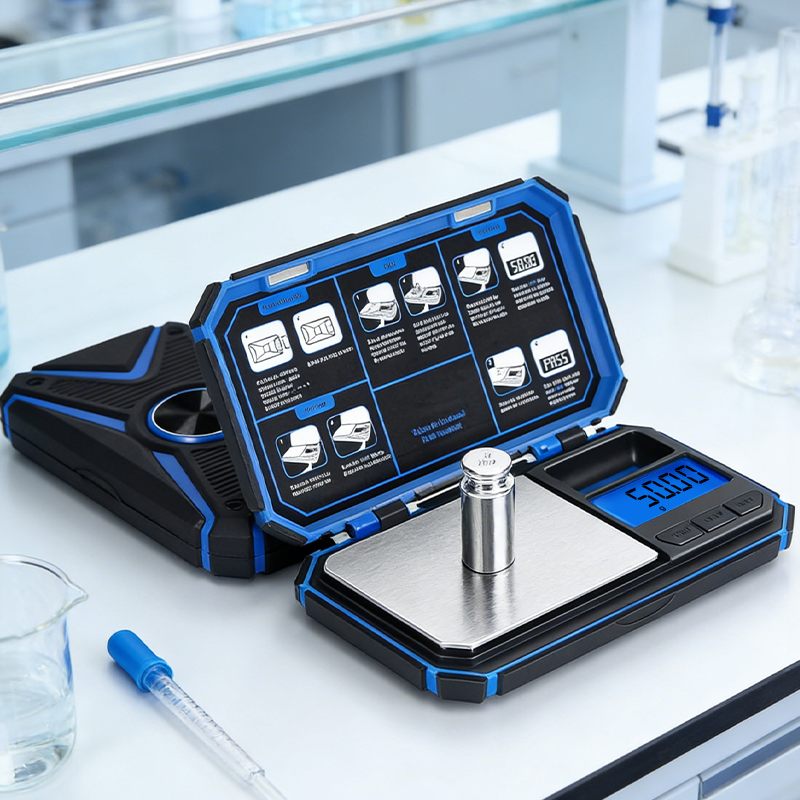
A pocket scale is easy to store, carry between work areas, or keep near a small-item workflow. That convenience can encourage more consistent checks. Portable does not automatically mean suitable for every task, though. The item weight, platform size, and available surface still matter. A scale used on a hard, stable surface is generally easier to interpret than one used on a soft, tilted, or vibrating surface.
That is the starting point. Before you rely on a high precision electronic pocket scale, place it on a stable surface, allow it to settle, and confirm that the display returns to zero. Then center the item or container as the model instructions recommend. These small steps can reduce avoidable variation in everyday use.
3. Better control when using containers
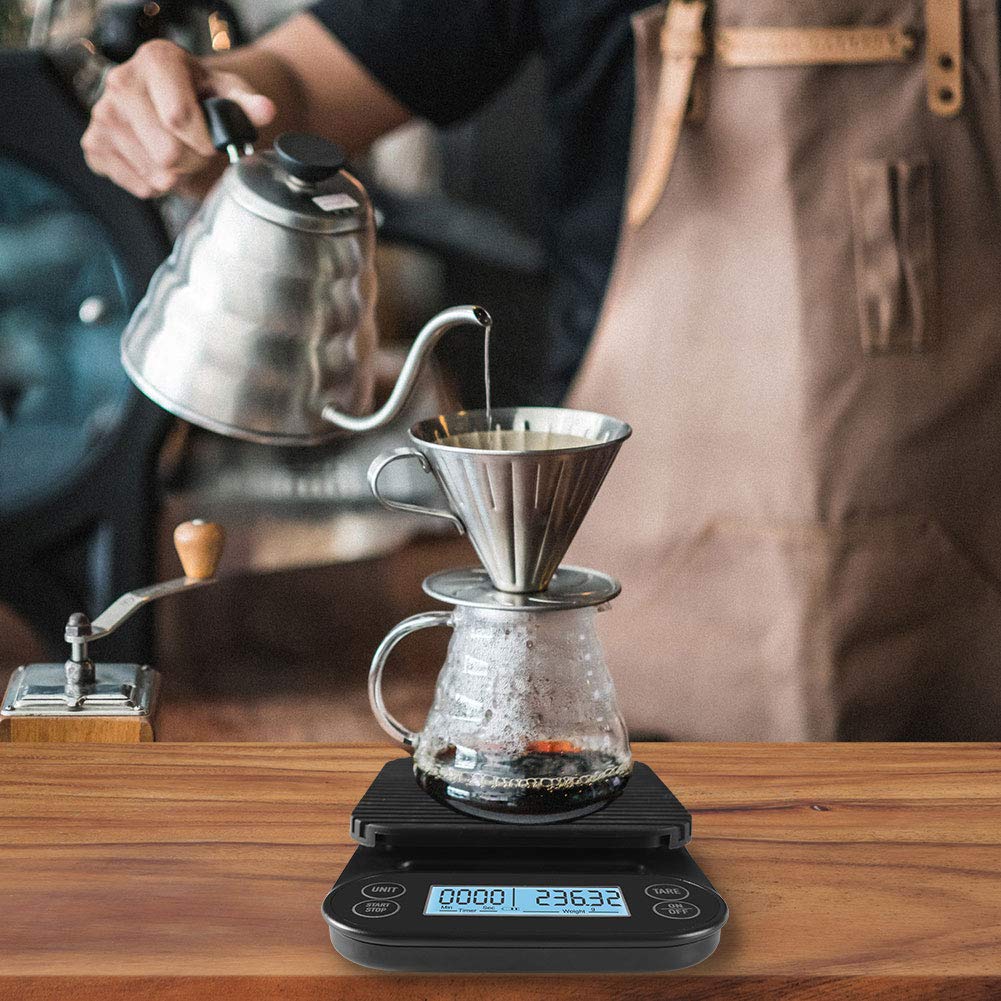
Many compact electronic scales include a tare function. In a container-based workflow, tare lets the user place an empty container on the platform, reset the display to zero, and then view the weight of the added material. That can simplify repeated small-item or food-preparation tasks. Tare is useful, but it does not replace the need to confirm the unit, capacity, and stable placement.
For a high precision electronic pocket scale, it is worth checking how the tare control behaves with the intended container and expected load. A container that is too large for the platform can make placement awkward, even when the displayed reading looks detailed.
Features to assess before choosing a model
- Capacity: Leave a reasonable margin above the heaviest item or container you expect to weigh.
- Displayed increment: Choose a readable division that supports the decision you need to make, rather than treating it as a blanket accuracy claim.
- Units: Confirm that the required units are available and easy to switch deliberately.
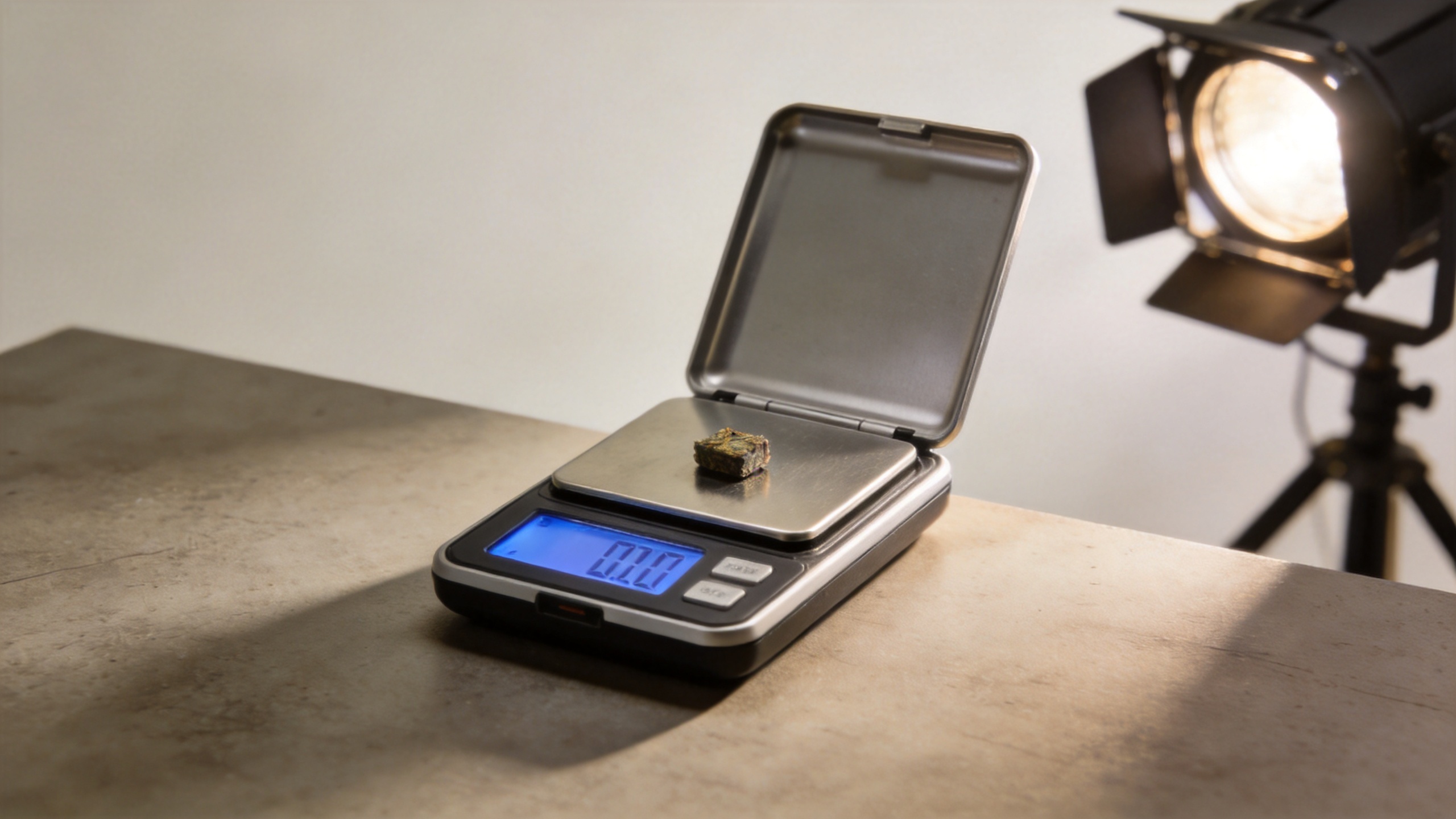
- Platform and cover: Consider whether the item can sit securely and whether protected storage matters for portable use.
- Controls and display: Check that the screen and buttons suit the posture and lighting of the actual work area.
- Verification path: Ask for the applicable manual, specification sheet, and any model-specific evidence needed for the intended application.
This checklist turns the benefit of a high precision electronic pocket scale into a practical selection process. In many everyday setups, checking the unit before adding an item prevents a simple but common mix-up. If results will inform a business, quality, or compliance decision, follow the relevant internal procedure and confirm the exact model requirements with the supplier.
How to get more dependable day-to-day readings
Good operating habits are part of the value. First, use a firm and level surface. Next, power on the scale and wait until it is stable at zero. Select the intended unit before placing an item. If you use a container, place it first, apply tare, add the item, and wait for the display to settle. Finally, remove the item and check that the display returns as expected before the next measurement.
This sequence is not a substitute for calibration, maintenance, or model-specific instructions. It is a sensible starting routine that helps a high precision electronic pocket scale support repeatable handling. If a reading looks unexpected, do not force a conclusion from one measurement. Recheck the surface, unit, item placement, battery condition, and the suitability of the scale’s range for the load.
When a pocket scale is—and is not—the right tool
A high precision electronic pocket scale can be a practical choice when portability, light loads, and readable small changes are central to the workflow. It may be less suitable when the item is bulky, the load approaches the capacity, the required verification method is more demanding, or the work area cannot provide a stable setup. In those situations, a larger platform scale or a purpose-specific instrument may be more appropriate.
In short, the main benefit is informed control: you can connect the item, the required range, the displayed increment, and the operating conditions before choosing a tool. Shenzhen ACCT Electronics supports pocket-scale and other electronic-scale sourcing conversations with a requirement-led approach. For a B2B inquiry, outline the item type, expected weight range, units, use environment, and any documentation needs so the proposed configuration can be confirmed against the actual application.
Frequently asked questions
Does a smaller displayed increment necessarily mean a better scale?
Not necessarily. A smaller increment can be useful when it matches the task, but capacity, load range, stable placement, and model-specific performance requirements must also be considered.
Can I use a high precision electronic pocket scale for any small item?
Use it only when the item, expected load, platform arrangement, and required level of verification fit the selected model. Review the model documentation before treating it as a final match for a specialized application.
Why does setup matter so much?
Soft, uneven, tilted, or vibrating surfaces can make a compact scale harder to use consistently. A stable surface, zero check, correct unit, and centered load support a more interpretable reading.