EN


Kitchen Digital Scales for Everyday Cooking
A kitchen scale earns its place when it makes routine cooking calmer: you can portion rice, repeat a bread dough, split leftovers, or measure coffee without collecting extra cups. This guide uses the assigned search term digtal while focusing on the practical question behind it: how to choose a digital kitchen scale that fits everyday cooking.
Rather than chasing a long feature list, start with the ingredients you weigh most often. A compact digtal scale can be enough for spices and baking ingredients, while family meal prep may call for a wider platform and a higher capacity. The useful choice is the one that stays readable, stable, and easy to reach when your hands are busy.
Begin with the jobs your scale needs to do
For everyday cooking, a digtal scale usually handles flour, grains, meat, produce, and liquids. Bakers often value repeatable gram measurements; cooks who prepare large batches may care more about capacity and bowl clearance. Write down two or three regular tasks before comparing models. That short list keeps a digtal purchase tied to your kitchen instead of to a product photo.
- Weeknight cooking: choose a digtal scale with a clear display, simple buttons, and a platform that accepts a dinner bowl.
- Bread and pastry: look for steady one-gram readings and a tare control that responds promptly.
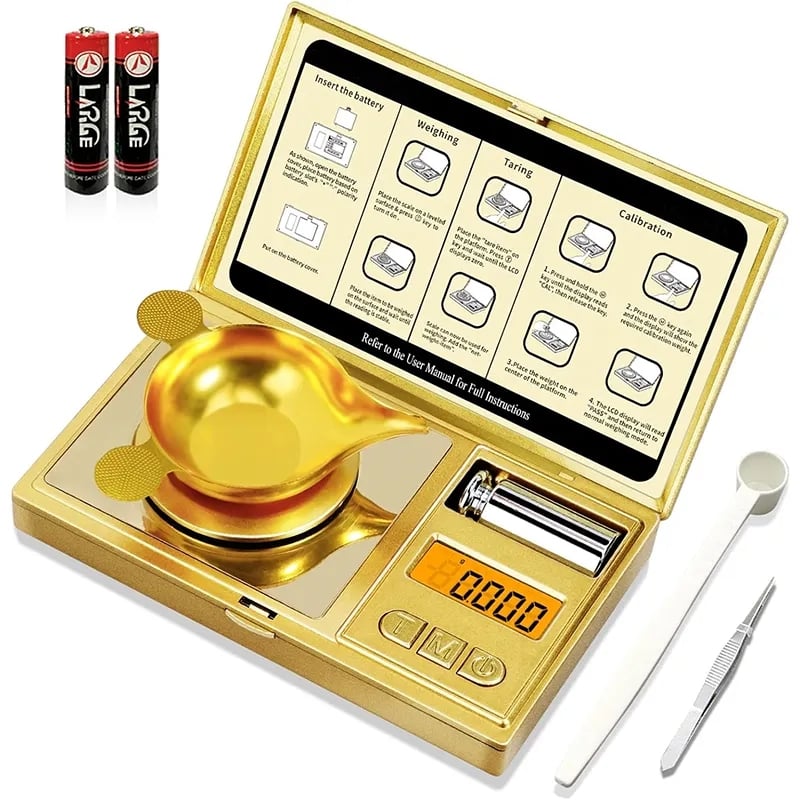
- Coffee or small ingredients: consider whether a smaller digtal scale with finer increments is useful alongside a standard kitchen model.
- Batch prep: favor a digtal scale with capacity that leaves room for the container as well as the food.
Accuracy is more than the number on the display
For common recipes, one-gram increments are often a sensible starting point. Independent kitchen-scale testing commonly evaluates one-gram or 0.05-ounce increments, but the display needs to settle quickly too. A digtal scale that lags while you pour can make an otherwise useful increment less convenient in real cooking.
Test a new digtal scale on a level counter with the same small item several times. The reading should return consistently. Then place an empty bowl on the platform, tare it, and add ingredients gradually. This simple home check tells you more about day-to-day usability than a specification alone.
Make tare the feature you use without thinking
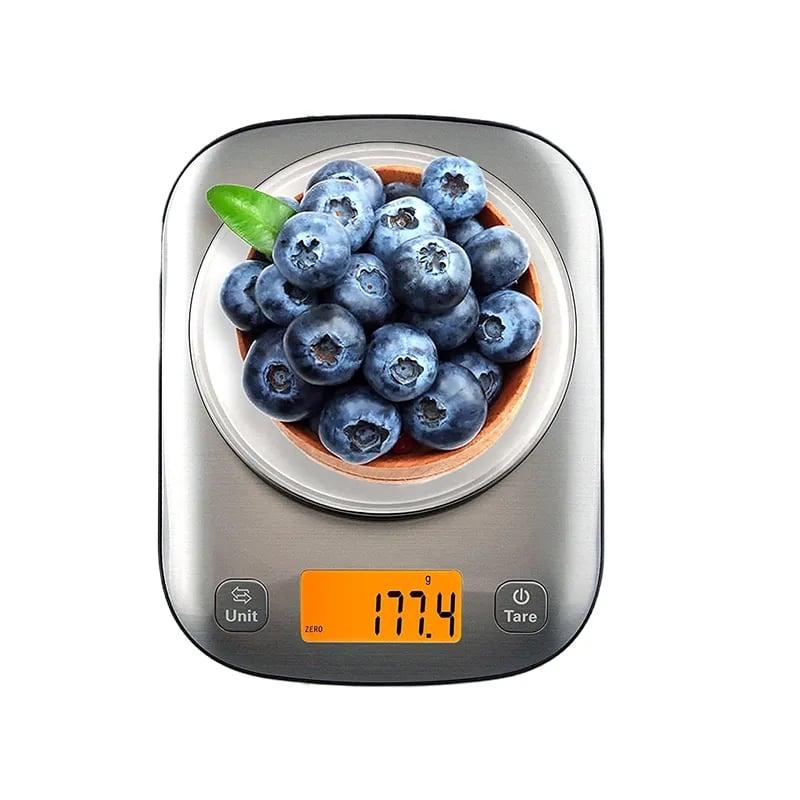
The tare function resets the display after you add a bowl or ingredient. It lets you measure flour, sugar, butter, and liquids in one vessel, which means fewer dishes and fewer mental conversions. On a digtal scale, the tare button should be easy to find and should work even when the bowl slightly overhangs the platform.
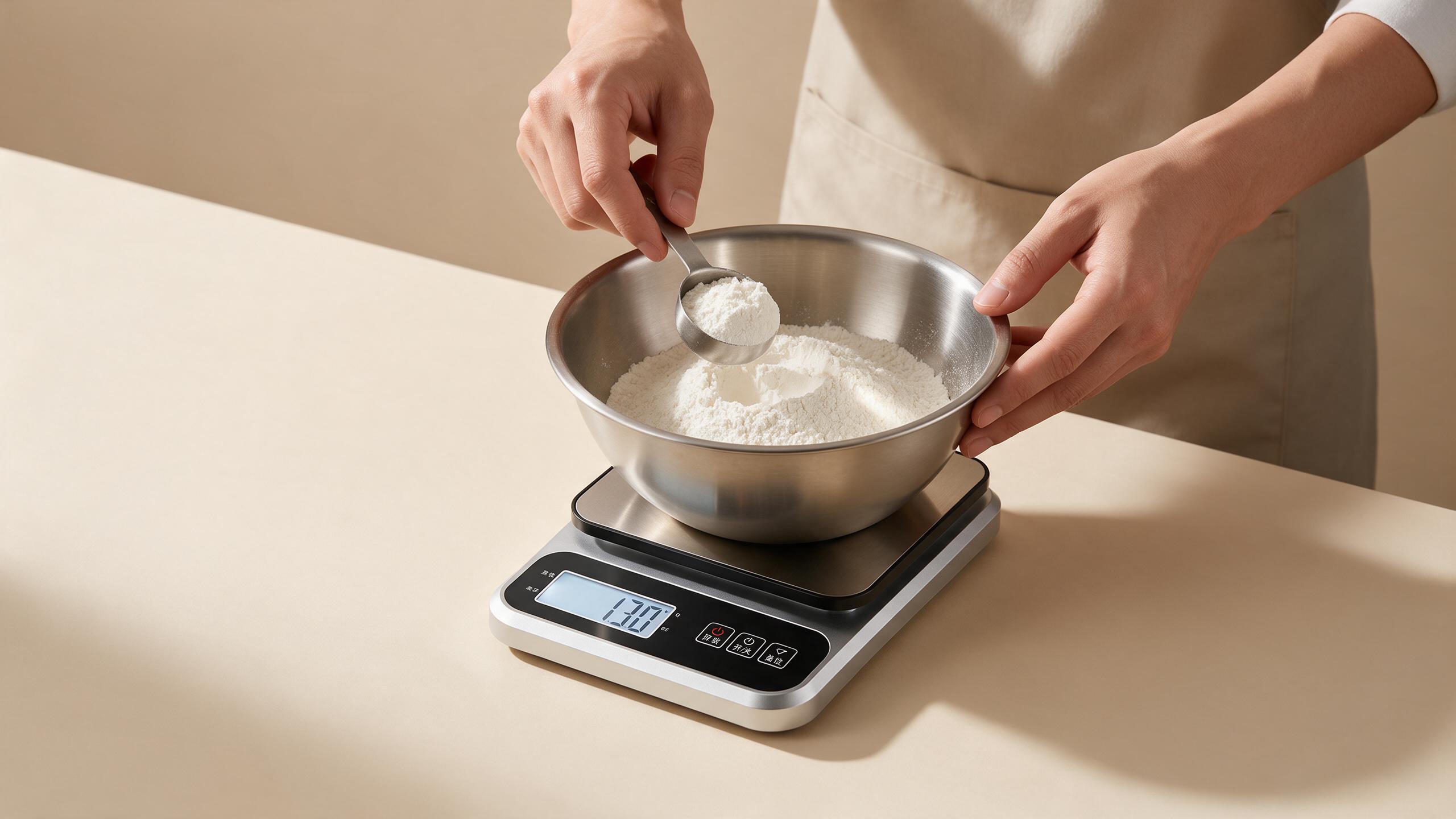
Try the workflow you actually use: set out a mixing bowl, switch on the digtal scale, tare, add the first ingredient, tare again, and continue. If the buttons are hard to press with a bowl in place or the unit shuts off too soon, that friction will show up every time you cook.
Choose capacity and platform size together
A larger maximum capacity is not automatically more useful. A digtal scale should have enough headroom for your heaviest normal bowl plus the ingredients inside it. At the same time, the platform should keep the display visible. A broad bowl that blocks the screen turns a simple measuring task into a guessing game.
Think about storage as well. A slim digtal scale can slide into a drawer, while a larger platform may suit a dedicated counter spot. Stainless-looking or smooth surfaces can be easier to wipe after sticky ingredients, but inspect seams, button edges, and the underside where flour tends to collect.
Readability and units matter during a recipe
A bright, angled display is helpful when overhead lighting creates glare. Before choosing a digtal scale, check whether the digits remain visible when a bowl sits on the platform. Unit switching also matters if your recipe collection moves between grams, ounces, pounds, or milliliters. Use milliliter settings cautiously: a volume conversion may suit water-like liquids, while other ingredients have different densities.
A good digtal scale should make unit changes deliberate rather than accidental. If several people cook in the home, simple labels reduce the chance that someone starts weighing in ounces when the recipe calls for grams.
Power, cleaning, and counter habits
Battery-powered and rechargeable designs can both work well. The useful decision is whether the digtal scale will be ready where you cook and whether its display remains readable as power runs low. An automatic shutoff can save power, but a very short timer is frustrating during slow additions or recipe pauses.
Do not place a digtal scale directly under a running tap unless its instructions specifically support that use. Wipe the platform with a lightly damp cloth, keep liquids clear of openings, and avoid storing heavy cookware on top of it. Those small habits help preserve stable readings.
How to compare two digtal scale options
When two digtal scale options look similar, compare them with the same bowl and recipe in mind. Put a typical mixing bowl on each digtal scale and check whether the digits are still visible. Press tare several times, switch units once, and imagine adding flour slowly. This quick exercise exposes whether a digtal scale supports the rhythm of your cooking.
Also consider who will use the digtal scale. A straightforward display and a single clear tare control can matter more than specialty modes in a shared kitchen. For households that cook by weight often, a digtal scale with a stable base and an accessible platform encourages consistent portions and repeatable recipes.
A quick buying checklist
- Match the digtal scale’s capacity to your largest routine bowl and batch.
- Confirm that its display remains visible with that bowl in place.
- Look for a responsive tare function and the units you actually use.
- Choose an increment that suits your cooking style; one gram is a practical baseline for many home tasks.
- Consider platform cleanup, storage space, power source, and shutoff timing.
Build a repeatable digtal weighing routine
A digtal scale becomes more helpful when you leave it in the same practical spot and use the same short sequence. Set the digtal scale on a hard, level surface, place the bowl in the center, switch it on, and wait for a zero reading. Tare before the first ingredient, then tare again between additions. With this routine, a digtal scale lets you focus on the recipe instead of subtraction.
For liquid ingredients, pour slowly and pause as the display settles. If your digtal scale includes milliliters, treat that setting as a convenience for water-like liquids rather than a replacement for recipe-specific guidance. Oils, syrups, and other ingredients do not all weigh the same per milliliter. A digtal scale used in grams keeps the measurement direct.
After cooking, remove the bowl before wiping the platform. Check that crumbs are not wedged beneath the digtal scale, because an uneven base can affect stability. If you store the digtal scale vertically, protect the buttons and display from heavy pans. These modest habits make it easier to rely on the digtal scale on a busy evening.
Pick the scale that removes steps
The right digtal scale is not necessarily the one with the most modes. It is the one you can pull out quickly, read at a glance, tare between ingredients, and clean after dinner. If you compare capacity, display clearance, responsiveness, and care needs before buying, a digtal scale can become a quiet, useful part of everyday cooking instead of another drawer-bound gadget.