EN
EN



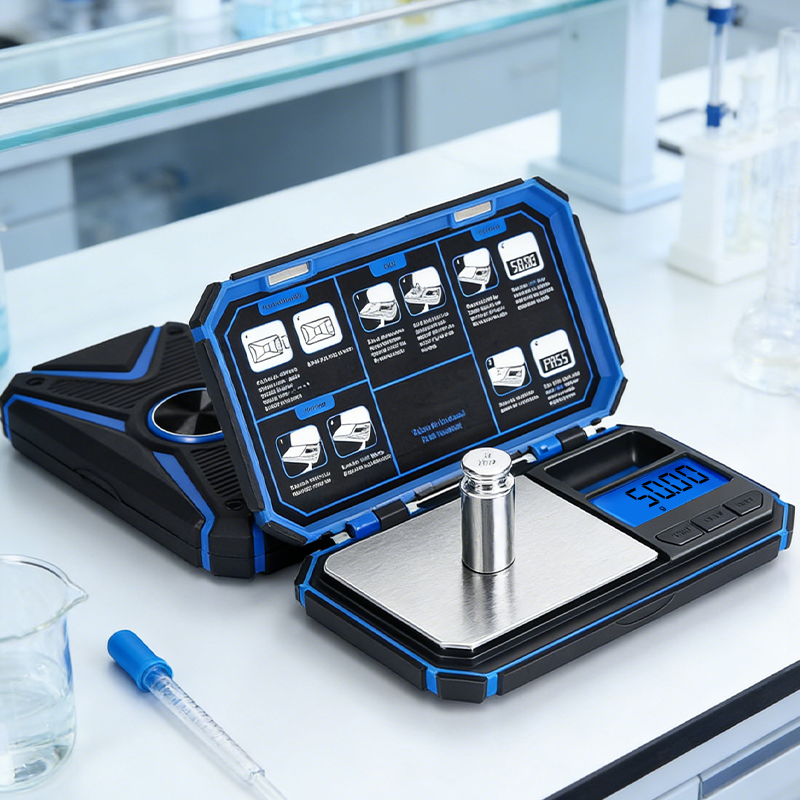
When it comes to valuing gemstones, carat weight stands out as probably the most important factor, especially since prices jump dramatically at certain weight points. Take a 1 carat diamond - even a tiny 0.1 mg difference (that's 0.0001 grams) equals just 0.02% error on paper, but this small amount can actually push a stone into a completely different price bracket for high-end stones. Color and clarity grades give room for interpretation among experts, but carat calculations follow strict math rules. According to the latest RAPAPORT Diamond Index from 2023, every extra 0.01 carats over 1 carat typically adds between 3% and 8% to the value. For this reason, good jewelry scales need to measure down to at least 0.1 mg accuracy if appraisals are going to be trustworthy. Most professionals agree on this standard too - around 94% of certified labs say their valuation stays accurate only when measurements stay within plus or minus 0.1 mg of the actual weight.
A 0.001 g (1 mg) overstatement elevates a 2.5 ct D-color, internally flawless (D-IF) diamond to 2.51 ct—triggering disproportionate premiums. At current market rates, that single-milligram error inflates valuation by $2,800 or more. Under-reporting carries equal financial risk, directly reducing legitimate returns. This non-linear exposure intensifies with size and quality:
When dealing with stones at 0.5 carats or heavier, jewelry scales need to be able to read down to 0.0001 grams (which is 0.1 milligrams). If they can't hit that level of detail, those tiny measurement errors start adding up and mess with how much something's actually worth. This becomes really important because most of what people pay for gemstones comes down to their weight alone, sometimes as much as 80%. The ability to get the same reading every time matters too. Jewelers don't want customers coming back later saying their stone suddenly weighs differently just because another scale was used. And then there's linearity, which basically means the scale works accurately no matter what size object it's measuring. A good scale won't systematically give wrong readings for bigger stones. Missing any one of these three things - readability, repeatability, and linearity - creates unnecessary problems when millions of dollars are on the table during diamond deals.
NIST-traceable calibration provides auditable proof that a scale conforms to national measurement standards; ISO/IEC 17025 accreditation independently verifies the competence of the calibration laboratory. Together, they mitigate the $740,000 average cost of valuation disputes (Ponemon Institute, 2023) by ensuring:
Just minutes before opening bids, a top auction house pulled back on a valuable blue sapphire when their final check revealed a tiny 0.003 gram difference in weight measurements. Turns out the scale had drifted out of calibration over time. What was supposed to be a $420k sale suddenly vanished, sparking legal battles and damaging the company's reputation for nearly two years straight. Small measurement mistakes like this don't just cost money upfront but slowly chip away at trust from investors and clients alike. If only they'd followed proper calibration standards set by NIST and kept their equipment up to date according to ISO/IEC 17025 guidelines, someone probably would have caught this issue way before setting a price tag.
Most professional gemologists (around 68%) say they struggle most with getting consistent scale readings when verifying gems, which beats out issues with fluorescence analysis at 22% and clarity grading problems at just 10%. The main reason? Equipment standards aren't really standardized across the industry. Small differences in how much things weigh between different scales can lead to big disagreements about what something is actually worth. We've all seen it happen where Lab A says a diamond weighs one thing and Lab B comes back with another number completely. These kinds of conflicts typically hold up transactions for about two weeks while someone finds a neutral party to settle the dispute. Getting everyone in the supply chain to use ISO/IEC 17025 certified precision scales seems to fix around 9 out of 10 of these problems though. It creates this common reference point that turns what was once a matter of opinion into something measurable and agreed upon by all parties involved.
Keeping accurate measurements requires regular calibration checks and careful control of environmental conditions. Most industries follow a standard practice where equipment gets calibrated every three months at labs certified under ISO/IEC 17025 standards, typically using weights traceable back to NIST standards. Even small changes matter a lot. When temperatures swing more than 1 degree Celsius or humidity levels move outside the 45 to 55 percent range, it can cause weight differences over 0.3 milligrams. That might not sound like much until we consider what happens in jewelry valuation. A mere 0.3 mg variation could actually change how valuable a one carat diamond appears on paper, potentially affecting its market price by around $450. For anyone serious about maintaining accuracy over time, sticking to these established methods makes all the difference in preventing measurement drift.
Controlled testing shows scales in unstable environments require 30% more frequent recalibration. Adhering to these protocols reduces valuation disputes by 67% while ensuring compliance with international gemological trade standards.
Shenzhen ACCT Electronics provides professional OEM/ODM electronic scales (pocket, kitchen, bathroom, postal) for global B2B clients. 20+ years’ experience, ISO9001 & CE/RoHS certified, 8M pcs/year capacity. Trusted by EU & NA partners. Request quote today.