EN
EN



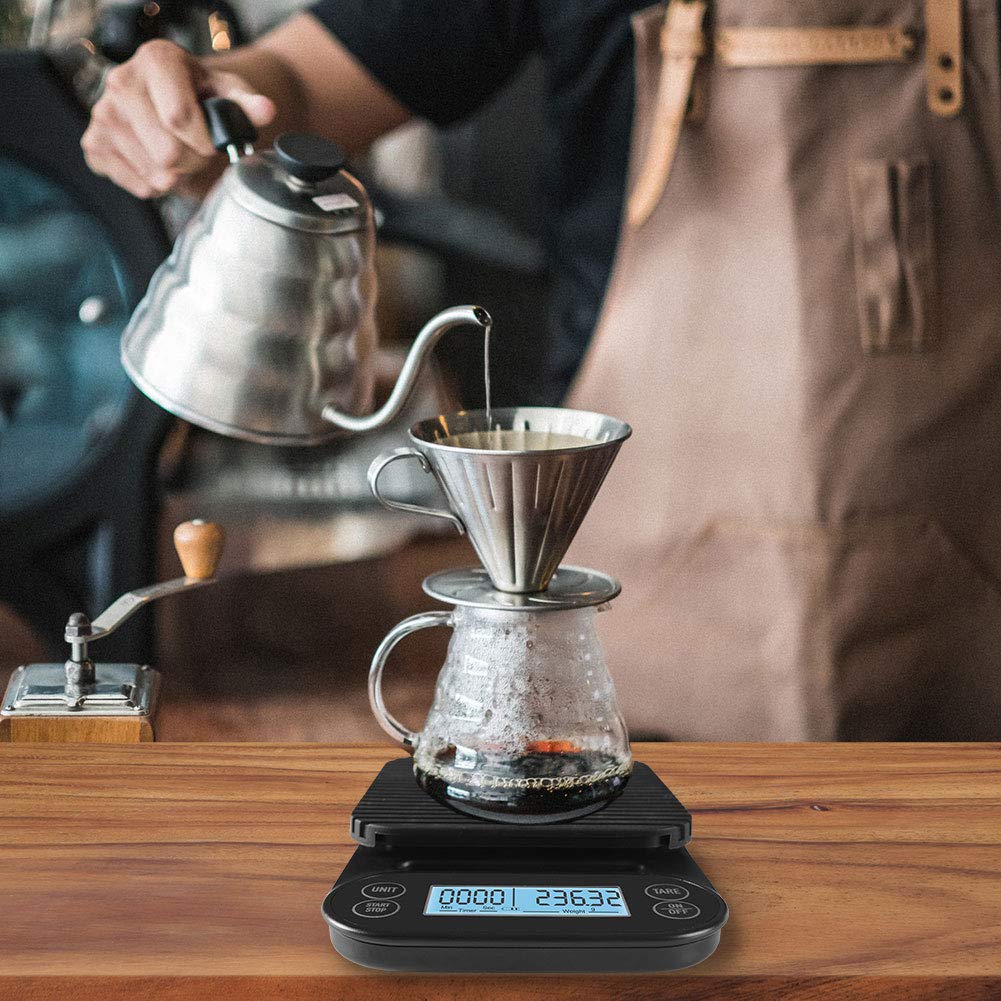
Getting measurements right is absolutely essential for anyone who takes cooking seriously, whether they're professionals or passionate home bakers. Baking especially depends on getting those ingredient ratios spot on because even small changes trigger different chemical reactions. Just think about how adding or subtracting 0.1 grams of yeast or baking powder could make all the difference between perfectly risen bread and something that collapses flat. The importance of consistency extends well beyond what comes out of the oven too. People who prepare meals ahead of time need to track their macro nutrients accurately, which means knowing exactly how much each portion weighs. Sous vide cooking requires weighing proteins down to the gram when sealing them in bags. When measurements go off track, we end up wasting good ingredients, ruining recipes, and spending unnecessary money. Restaurants actually lose around $740,000 every year from these kinds of mistakes according to a study by Ponemon Institute back in 2023. That's why digital kitchen scales have become so popular lately. They take away the guesswork involved in measuring volumes, like figuring out if flour was packed down or measured loosely. With accurate weight measurements, recipes tend to turn out the same way every single time. What used to be hit or miss for many home cooks now becomes reliably delicious, almost restaurant quality stuff coming right from their own kitchens.
Getting the right capacity means finding something that works for daily tasks but can handle bigger jobs too. Most home bakers will find a 5kg scale sufficient, though those who cook in bulk or do large batches of sous vide might want to go for the 10kg version instead. Don't overlook the importance of good visibility in different kitchen conditions either. Backlit LCD screens make all the difference when trying to read measurements in bright sunlight or dim lighting. Studies actually indicate these displays cut down on mistakes by about 30%, which makes sense when thinking about how frustrating it is to misread numbers. Being able to switch between units is another must have feature. Whether working with grams, ounces, pounds or milliliters, having an easy way to convert between them opens up access to recipes from around the world. The scale should also offer fine increments ranging from 0.1g to 1g so bakers can measure delicate items like baking powder or specialty spices accurately since even tiny differences matter in taste and texture. And let's not forget about the tare function, which lets cooks subtract container weights without having to move ingredients around constantly during preparation.
Stainless steel and waterproof polymers are great choices because they hold up against spills, heat exposure, and regular cleaning without corroding over time. When looking at platform designs, non slip feet matter a lot, especially if working near bowls or wet areas. Removable platforms make cleaning easier and help avoid contamination between different tasks. For reliable performance over months or years, calibration stability is key. Good quality scales come with auto calibration features and can handle shocks without losing their accuracy rating of plus or minus 0.5 percent even after hundreds of uses according to standard tests. Keeping the scale properly zeroed throughout complex recipes stops measurement drift from happening. Battery compartments that don't require tools to open are convenient but shouldn't weaken the overall build quality of the device either.
A kitchen digital scale transforms culinary precision across diverse applications, ensuring consistent results through accurate weight measurements. Its versatility extends beyond basic ingredient weighing to specialized techniques where exact proportions directly impact outcomes.
Getting baking right really depends on being precise. Just a small change in flour weight, maybe around 5%, can mess up the texture and how much something rises. That's why digital scales are so important for home bakers these days. They measure down to the gram which solves all those problems where ingredients pack differently depending on how they're measured. When scaling recipes up or down, having accurate measurements makes all the difference. A cake recipe that works for six people will still turn out great when made for twelve if the proportions stay correct. Plus, most modern kitchen scales have this handy tare feature that lets folks add different ingredients into the same bowl without constantly switching containers. Saves a ton of time cleaning up after mixing everything together, probably cuts cleanup work by about 40% or so compared to using separate measuring cups for each ingredient.
Digital kitchen scales are game changers for anyone serious about healthy eating habits. When measuring out proteins, carbohydrates, and fats, these devices give much better calorie and macronutrient numbers compared to just eyeballing portions, which can be off by as much as 20%. The fancier models connect right to smartphone nutrition apps too, so all those food stats get recorded automatically without needing to write anything down. This really helps streamline meal preparation because instead of spending hours calculating everything manually, someone can portion out an entire week's worth of meals in just a few minutes flat. Makes sense why so many people who track their diet swear by them now.
When shopping for kitchen scales, look for those with third party certifications such as ISO/IEC 17025 or OIML R76. These certifications basically mean the scale has been tested against global measurement standards, something that really matters when precision counts for things like baking delicate pastries, following strict dietary plans, or conducting experiments in home labs. The warranty length tells us quite a bit too. Most quality manufacturers stand behind their products with at least two years coverage because they know how critical these devices become over time. Warranties typically handle issues like sensors drifting out of alignment or parts failing unexpectedly after months of regular use. And let's not forget about customer service either. Good companies understand that nobody wants their kitchen operations grinding to a halt just because their scale isn't working right. That's why leading brands provide several ways to reach them and promise responses within roughly a day or so when someone needs help calibrating their device or figuring out what went wrong with their readings.
Analyze verified user reviews for consistent patterns—not isolated anecdotes. Focus on three reliability indicators:
| Reliability Factor | What to Look For |
|---|---|
| Measurement Consistency | Minimal drift between repeated weighs |
| Durability | Resistance to spills/impact over 6+ months |
| Battery Performance | 100+ hours per charge with auto-shutdown |
Scales with lithium-ion batteries typically outlast alkaline models by 30% (Consumer Reports, 2023). Low-battery indicators prevent mid-recipe surprises, while USB-C rechargeability supports sustainability and convenience. Real-world testing shows models maintaining ±0.1g accuracy after 500+ uses consistently excel for daily or professional use.
Shenzhen ACCT Electronics provides professional OEM/ODM electronic scales (pocket, kitchen, bathroom, postal) for global B2B clients. 20+ years’ experience, ISO9001 & CE/RoHS certified, 8M pcs/year capacity. Trusted by EU & NA partners. Request quote today.