EN
EN



Kitchen digital scales often trick people into thinking readability equals accuracy. Readability refers to the smallest weight shown on screen, like those fancy 0.1g increments some models boast about. But what really matters is how close those numbers actually are to the real weight. Many scales with 0.1g display still have a tolerance range of plus or minus 5 grams, particularly when measuring below 50 grams. This makes a big difference in baking where even small errors matter. Just 2 extra grams of baking powder or yeast can throw off the entire rise of bread or cake by around 15 to 20 percent. Manufacturers know this too well, which is why they love advertising those 0.1g specs but hide the tolerance info somewhere deep in the manual. Anyone serious about baking needs to look beyond the marketing fluff and check what the scale can truly deliver.
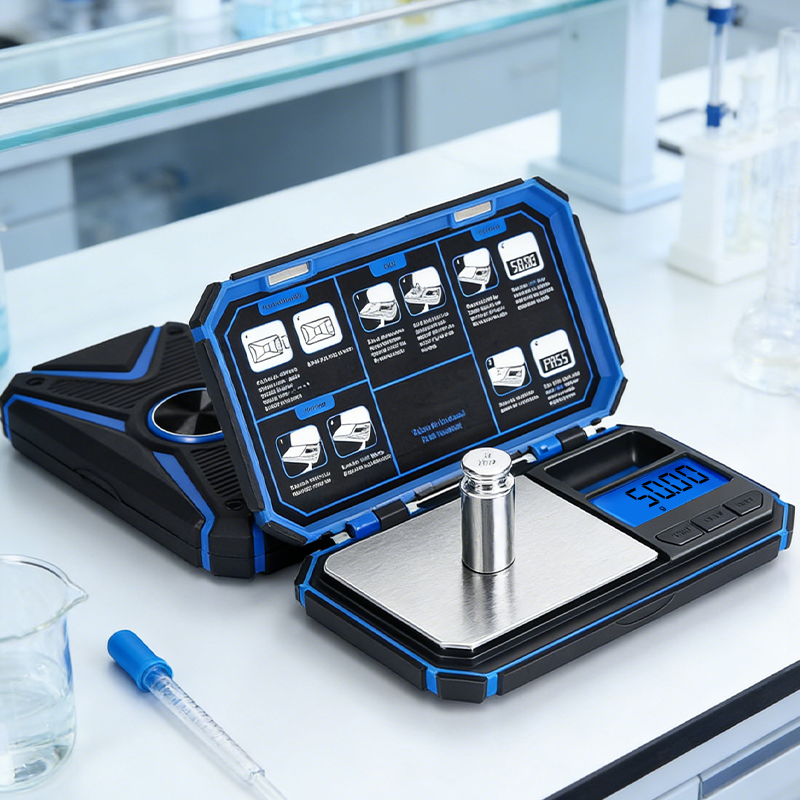
True precision demands ongoing verification—not just initial setup. Test your scale regularly using certified weights at multiple points (e.g., 50g, 200g, 1kg) to catch nonlinearity or drift. In practice:
Getting rid of that extra weight on the scale makes all the difference when cooking at home. The best kitchen scales start working their magic automatically as soon as something sits steadily on them, practically no delay whatsoever. Most modern scales need just about 2 to 3 seconds of complete stillness before they reset themselves, so little bumps or shakes from nearby appliances don't throw things off track. When doing multiple steps at once, like adding herbs to small bowls that sit inside bigger ones for mixing, certain models stand out because they keep accurate readings even when stuff isn't perfectly balanced. These particular scales handle weights that are off center or piled up together pretty well, maintaining around 0.1 gram accuracy exactly where cooks need it during those critical moments.
The display on any kitchen scale needs to stay readable no matter what situation it finds itself in. Think about those moments when trying to read numbers while standing under a big mixing bowl, dealing with rising steam from boiling water, or working in that early morning kitchen light that just doesn't cut it. Look for scales with adjustable backlights that find that sweet spot between visibility and eye strain. If the light is too low, numbers get lost in the shadows. Too high? Reflections off surfaces can completely hide the digits we need to see. Angled screens around 30 to 45 degrees or ones that slide out work wonders against the classic "can't see past my bowl" issue without needing constant readjustment. And let's not forget about condensation problems either. Scales with hydrophobic coatings on their screens handle steam much better, so measurements stay clear even when working with hot ingredients like melted chocolate or freshly steamed rice grains.
When a scale gets NSF certified, it means it passes strict food safety tests. The certification looks at things like smooth surfaces that don't trap germs, no little corners where bacteria can hide, and materials that won't contaminate food even after lots of use. Commercial kitchens really need this kind of hygiene since the CDC says around 48 million people get sick from food each year. NTEP certification is another important mark because it checks if the scale gives accurate readings for business transactions. Without proper calibration, restaurants might accidentally shortchange customers or break labeling laws when portions aren't right. Good construction matters too. Platforms without cracks stop dirt from getting stuck, and weighing pans that come off completely (some even work in dishwashers) make cleaning much easier. Restaurant equipment without these design features tends to break down about 30% more often within just two years when exposed to moisture regularly. That shows why durable equipment needs to be clean equipment at the same time.
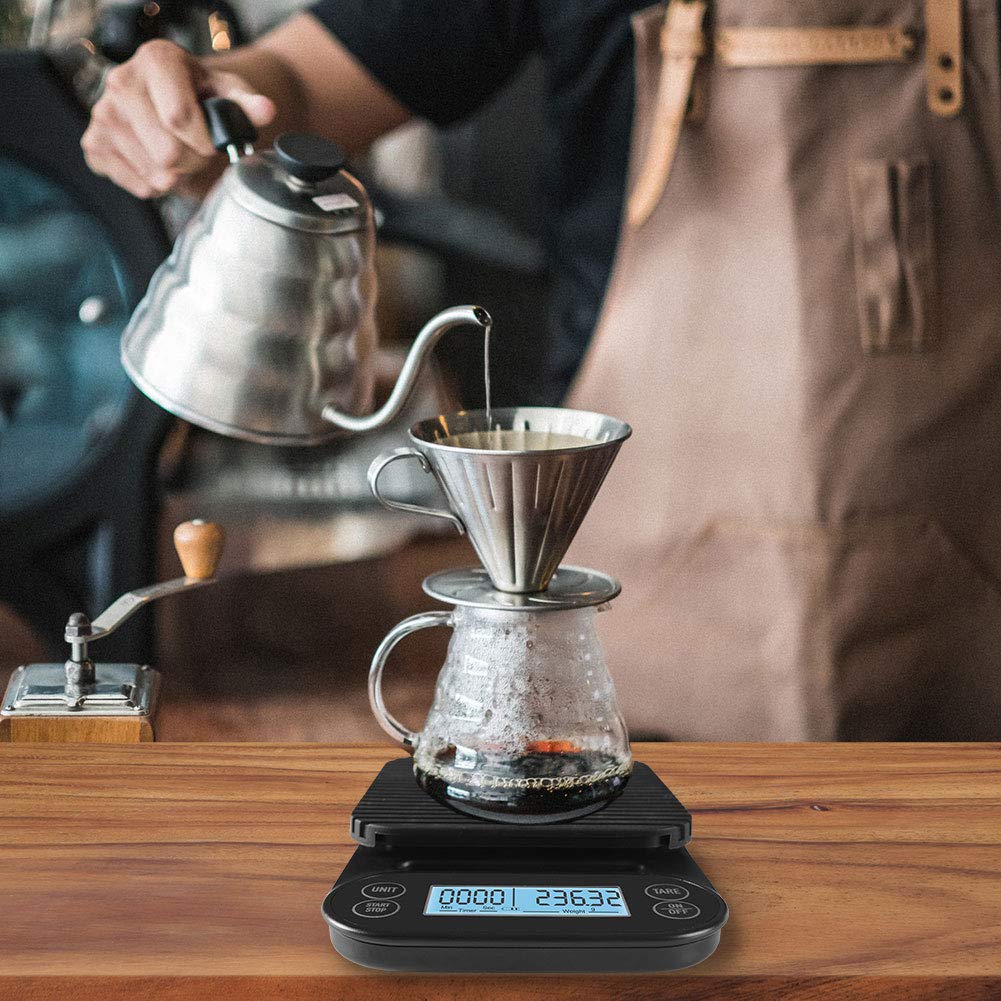
Picking out a kitchen digital scale isn't just about checking off specs on paper. It really comes down to how well it fits into what we actually do in the kitchen day to day. If someone regularly deals with big batches of dough or makes meals for families, getting a scale that handles up to 10 kilograms saves them from stopping mid recipe when they run out of range. On the flip side, folks who work with smaller quantities like pastry chefs or baristas will find more value in those compact 3 to 5 kg models that can measure down to 0.1 grams accurately. The ability to switch units matters too. Going back and forth between grams, ounces, pounds, and milliliters without fumbling around? That's gold dust when following international recipes or measuring sticky stuff like honey. Don't underestimate those simple buttons either. When things are heating up in the kitchen, wasting time digging through menus for settings can throw off the whole workflow. We've all been there: trying to rush through conversions while something burns on the stove. So look for scales where everything is clearly marked, switches happen instantly, and just plain makes sense to use without second guessing ourselves.
Shenzhen ACCT Electronics provides professional OEM/ODM electronic scales (pocket, kitchen, bathroom, postal) for global B2B clients. 20+ years’ experience, ISO9001 & CE/RoHS certified, 8M pcs/year capacity. Trusted by EU & NA partners. Request quote today.