EN



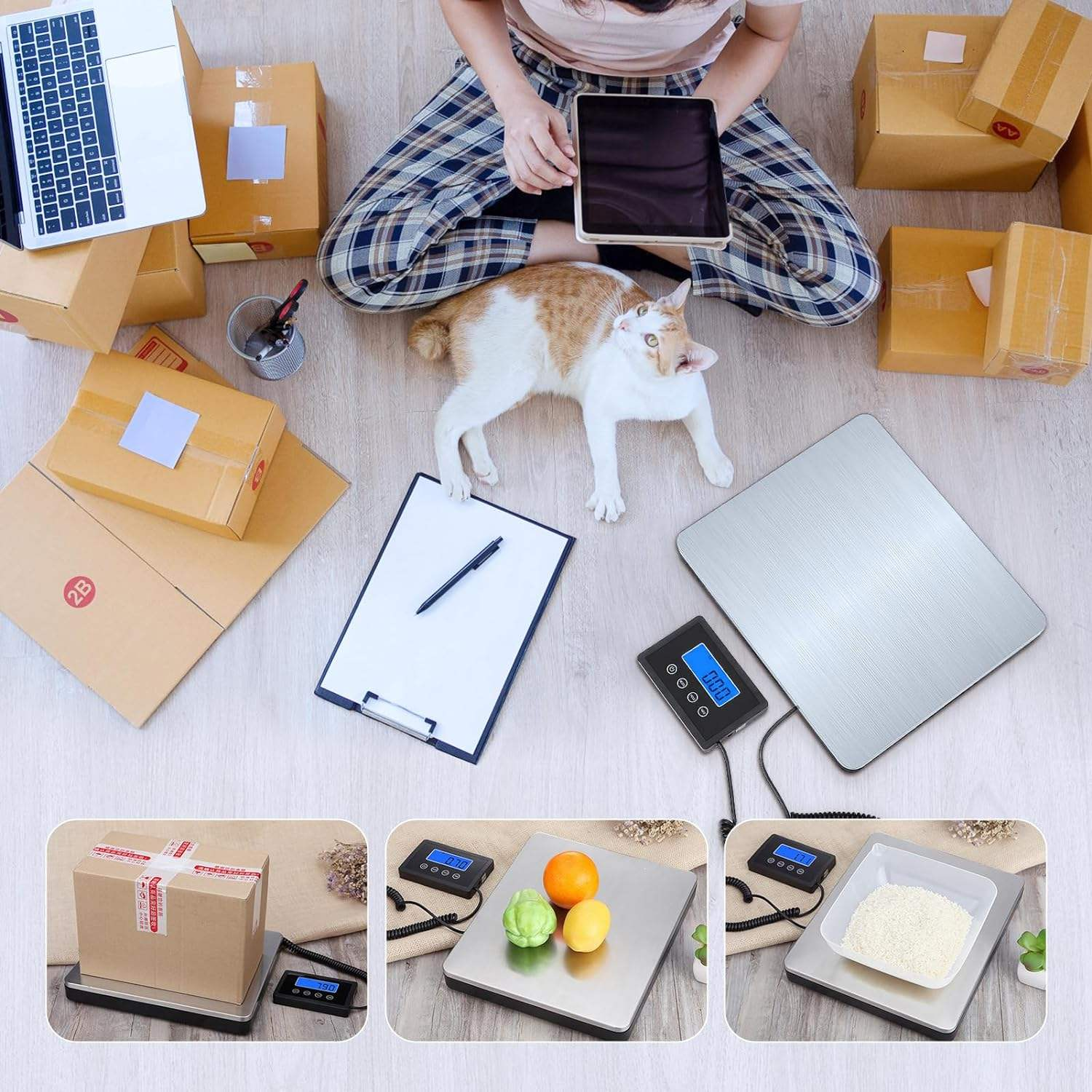
A cup of flour scooped directly from the bag can weigh anywhere from 120g to 160g depending on how densely the flour settled in the bag, how aggressively it was scooped, and whether it was leveled or heaped. That 33% weight variation — invisible to the eye but measurable on a gram scale — explains why two bakers following identical recipes produce different results. The recipe calls for "1 cup," but the actual flour weight arriving in the mixing bowl varies by tens of grams.
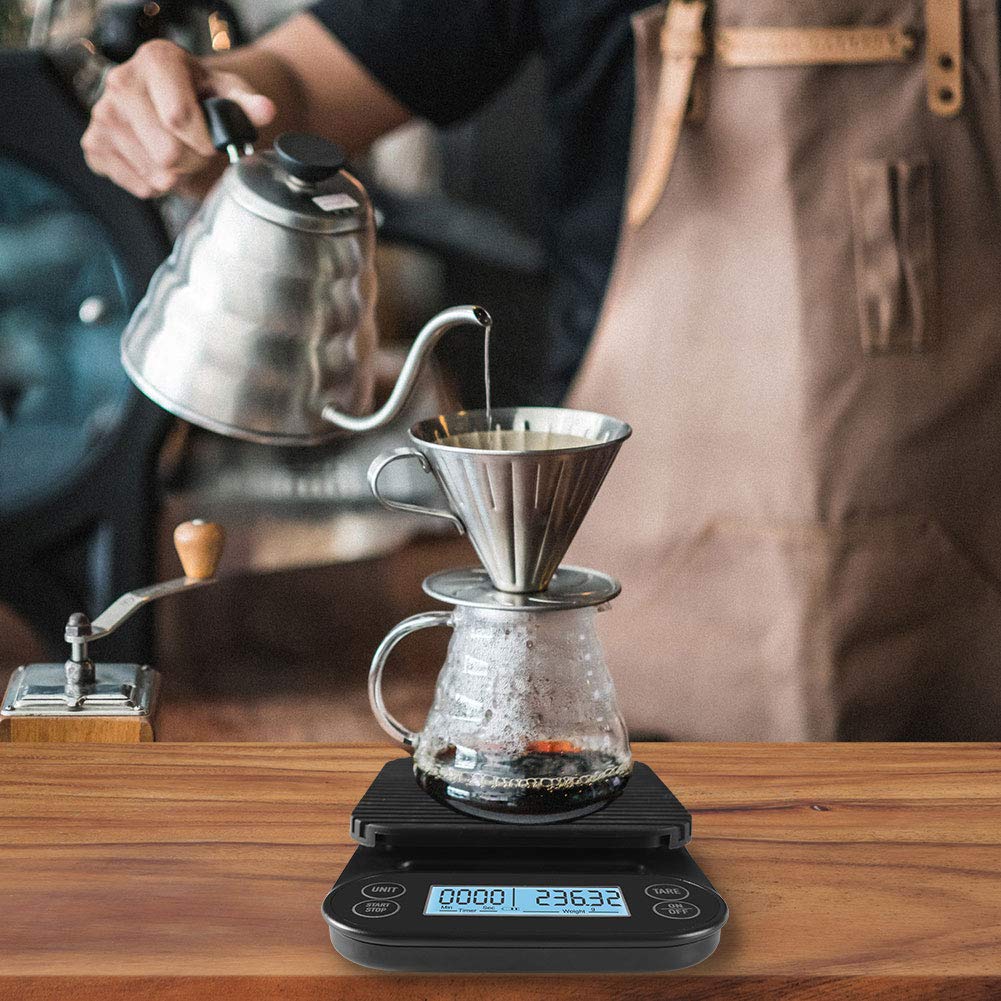
A gram scale eliminates this variability by replacing volume estimation with mass measurement. The scale does not care whether flour is compacted or aerated — 150g is 150g regardless of the volume it occupies. This principle extends beyond baking to any application where ingredient ratios determine the outcome: coffee brewing (the 1:15 to 1:17 coffee-to-water ratio produces fundamentally different extraction than eyeballed scoops), dietary supplement portioning, and formula mixing for infant nutrition.
A specialty coffee roaster supplying cafés across three cities switched from volumetric scoop dosing to gram-scale measurement for their wholesale packaging. The previous scoop method produced bags labeled "250g" that actually contained 235g–265g — within legal tolerance for average weight but inconsistent enough that some café owners complained bags felt lighter. Switching to an ACCT gram scale with 0.1g precision eliminated the variation entirely: every bag now contains 250g ± 1g. Customer complaints about bag weight variation dropped to zero within the first month.
A digital gram scale operates on the same principle as the pocket and kitchen scales sharing its technology: a strain gauge load cell converts mechanical force (weight) to an electrical signal. The load cell in a gram scale rated for 500g–5kg capacity uses a slightly thicker metal sensing element than a milligram-scale load cell — the trade-off for higher capacity is proportionally lower sensitivity.
The ADC resolution determines the displayed precision. A 24-bit ADC — standard in quality gram scales — divides the load cell's full-scale output into 16.7 million discrete levels. For a 5kg-capacity scale, each level represents approximately 0.0003g of weight change — far finer than the 0.1g display resolution. The extra ADC resolution provides headroom for internal filtering and drift compensation that improve reading stability without the user seeing every microgram of noise on the display.
The tare function — zeroing out container weight — is not simply subtracting a displayed value. When the tare button is pressed, the scale stores the current ADC reading as the new zero reference. All subsequent readings are calculated as (current ADC − tare ADC) × calibration factor. This means taring a 200g mixing bowl does not reduce the remaining weighing capacity by 200g only on the display — it physically shifts the zero reference, and the load cell still measures the combined bowl-plus-ingredient weight. The scale's maximum capacity (e.g., 5kg) includes whatever container weight has been tared.
The 0.1g specification on a kitchen gram scale represents the display resolution, not the absolute accuracy. Measurement accuracy depends on load cell linearity, temperature stability, and the calibration's currency. A scale displaying 0.1g resolution typically achieves ±0.2–0.5g accuracy across its weighing range after calibration — two to five times the display digit in absolute terms.
For daily weighing tasks — portioning 300g of flour, measuring 15g of coffee, weighing 5g of yeast — the ±0.5g accuracy on a 300g measurement represents 0.17% error, well within practical requirements. The accuracy becomes proportionally more significant for very small measurements: ±0.5g on a 3g measurement is 17% error, which explains why sub-5g measurements benefit from a separate 0.01g precision scale rather than relying on a 0.1g kitchen scale at the bottom of its range.
Flour density varies 25–35% depending on compaction. A cup can contain 120–160g. Sugar, salt, and other granulated ingredients show similar variation. A gram scale measures mass directly, eliminating the density variable. Most professional bakers weigh ingredients exclusively; home bakers improve consistency by adopting the same practice.
Display resolution is 0.1g. Absolute accuracy is typically ±0.2–0.5g across the weighing range after calibration. Measurements above 10g achieve better than 2% accuracy. ACCT kitchen scales use high-resolution ADCs for reading stability at the 0.1g level.
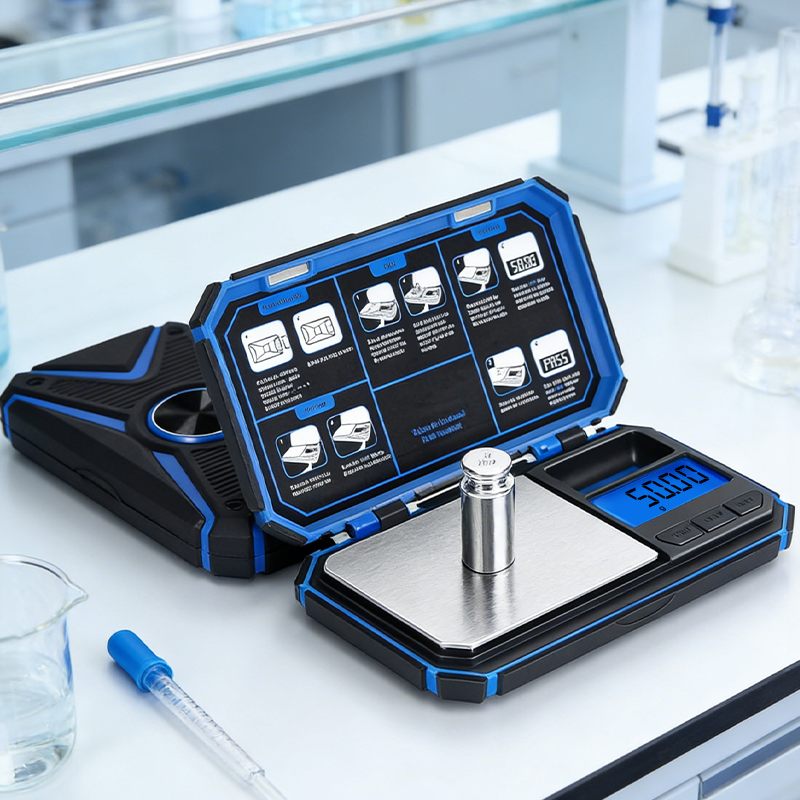
Use 0.01g for measurements under 10g — yeast (3–7g per batch), salt in precise recipes, coffee for single-cup brewing (10–18g), and dietary supplements requiring milligram-precision dosing. Use 0.1g for general cooking and baking where ingredient weights exceed 10g.
Tare stores the current weight as a new zero reference. Place the empty container on the platform, press tare — the display resets to zero — then add ingredients. The scale subtracts the stored tare value from each subsequent reading. ACCT scales allow re-taring between ingredients for sequential addition without calculation.
An uneven surface tilting the load cell, low battery voltage affecting ADC reference, air currents or vibration near the scale, and temperature drift. Place the scale on a solid, level surface, replace batteries when the low indicator appears, and avoid locations near HVAC vents or foot traffic.
Check with a known weight — a calibration weight or a sealed unopened product with labeled weight. If the reading differs by more than twice the scale's accuracy specification (±0.5g for 0.1g scales), recalibrate. ACCT scales include calibration instructions and recommended weights for periodic accuracy verification.

Shenzhen ACCT Electronics provides professional OEM/ODM electronic scales (pocket, kitchen, bathroom, postal) for global B2B clients. 20+ years’ experience, ISO9001 & CE/RoHS certified, 8M pcs/year capacity. Trusted by EU & NA partners. Request quote today.