EN



 ×
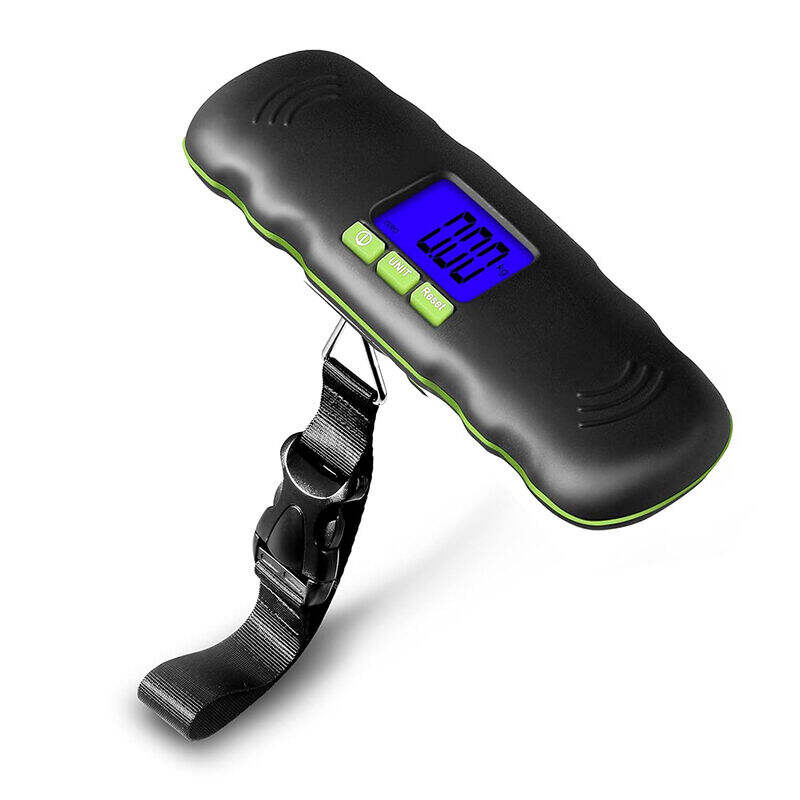
A portable digital scale reading 500.0 grams today and 502.3 grams tomorrow — a 0.46% drift — erodes trust with every transaction. For a jeweler weighing precious metals, that drift means customer disputes. For a pharmacy compounding medications, it means dosing errors. A reliable portable digital scale supplier delivers not just a product with specifications, but an ongoing calibration and support relationship that keeps every scale accurate across its service life.
A portable digital scale load cell converts mechanical force into an electrical signal. Quality is defined by linearity (deviation from straight-line response), hysteresis (difference between loading and unloading readings), and temperature compensation (accuracy across the operating range). A quality strain gauge load cell maintains linearity within ±0.02% of full scale and temperature compensation from −10°C to 40°C. Supplier reliability includes field calibration weights traceable to national standards and clear procedures for between-calibration accuracy verification.
A Southeast Asian jewelry chain with 60 locations experienced a 3% customer dispute rate on gold weight — customers questioning the store's portable digital scale against their own scales. An audit traced the issue to two problems: the supplied calibration weight lacked traceability certification, and scales were not temperature-compensated for tropical environments fluctuating from 22°C to 34°C. The chain switched to a supplier providing OIML-certified calibration weights, scales with active temperature compensation, and annual on-site recalibration. Disputes dropped below 0.5%. ACCT Electronics, manufacturing scales since 2003 with ISO certification and CE/RoHS-compliant products, supplies portable digital scale solutions with documented calibration traceability.
First, certifications — NTEP (US), OIML (international), CE (Europe) — confirm the scale meets legal-for-trade accuracy and safety standards for the intended market. Second, manufacturing quality — ISO 9001 certification indicates process control across production; inconsistent manufacturing produces inconsistent accuracy between units. Third, component sourcing — the load cell manufacturer and grade determine the scale's fundamental accuracy; a supplier that discloses load cell specifications rather than hiding them behind a brand label demonstrates transparency. Fourth, testing — each portable digital scale should pass full-range verification with certified test weights before shipping, with test records available on request. Fifth, after-sales — calibration services, spare parts availability, and technical response time separate long-term partners from transactional sellers.
Strain gauge load cells — the most common sensor type in a portable digital scale — use a metal element deforming under load with bonded strain gauges converting deformation into resistance change via a Wheatstone bridge circuit. Strain gauge cells offer resolution of 1:3,000 to 1:6,000 (scale interval to capacity) at moderate cost, suitable for jewelry, kitchen, postal, and general commercial applications. Tuning fork sensors — a vibrating element whose frequency changes under load — offer higher resolution (1:10,000 to 1:30,000) at higher cost, suited to laboratory and pharmaceutical applications where the highest precision is required. The supplier should specify which sensor technology is used and the resolution class it achieves, as this directly determines the scale's suitability for its intended application.
First, request load cell specifications — manufacturer, linearity, temperature compensation range. Second, request production test records — a supplier unwilling to share test data cannot have their quality verified. Third, verify calibration weight certification — the reference weight calibrating each portable digital scale must be standards-traceable. Fourth, evaluate the recalibration policy — does the supplier offer annual recalibration or replacement only? Fifth, order a pre-production sample and verify accuracy against a certified reference scale across the full weight range, checking repeatability with ten consecutive same-weight measurements.
A reliable portable digital scale supplier should hold ISO 9001 for manufacturing quality, with scale products carrying NTEP (US), OIML (international), or CE (Europe) certification depending on the target market. ACCT Electronics holds ISO certification with CE and RoHS-compliant scale products, providing documented quality assurance for international customers.
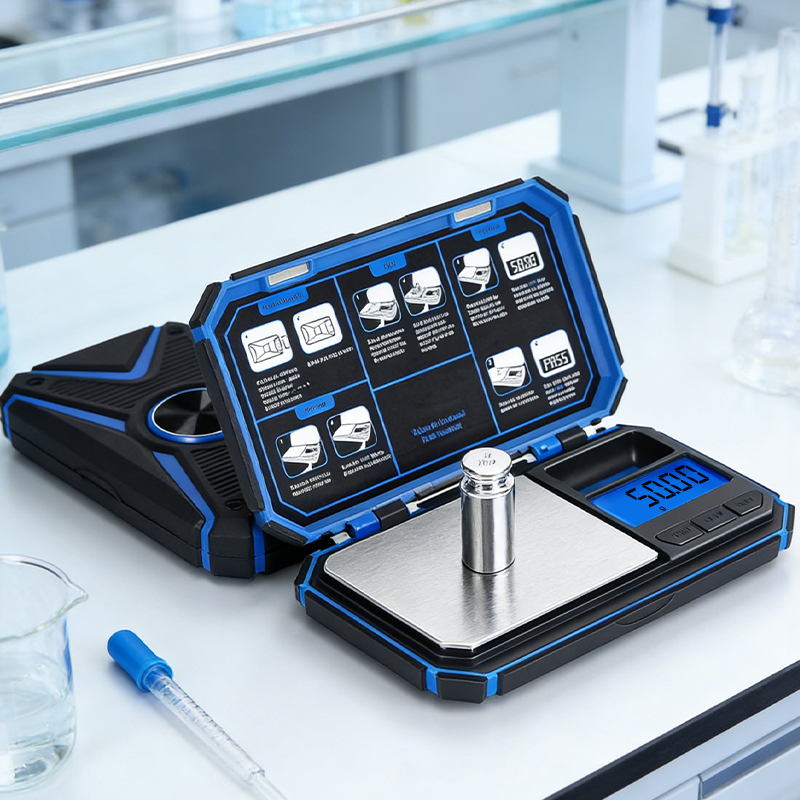
Request production test records across the full weight range with certified weights. Test a sample portable digital scale against a reference scale, and verify repeatability by loading and unloading the same weight ten times — readings should vary by no more than ±1 scale division.
A portable digital scale drifts due to temperature changes affecting the load cell, mechanical overload damaging the strain gauge, contamination, or component aging. Annual recalibration corrects normal drift.
Strain gauge cells — standard for most portable digital scale products — offer 1:3,000 to 1:6,000 resolution at moderate cost. Tuning fork sensors offer 1:10,000+ resolution at higher cost for laboratory applications.
A portable digital scale in commercial use should be calibrated at installation and annually thereafter, with weekly accuracy checks using a certified reference weight between formal calibrations. High-accuracy applications — jewelry, pharmaceutical compounding — may require quarterly recalibration to maintain the tight tolerances those industries demand.
A portable digital scale supplier's recalibration policy should provide certified reference weights traceable to national standards, documented calibration procedures and certificates, and defined turnaround time — not just product replacement ignoring accuracy drift accumulated since purchase.

Shenzhen ACCT Electronics provides professional OEM/ODM electronic scales (pocket, kitchen, bathroom, postal) for global B2B clients. 20+ years’ experience, ISO9001 & CE/RoHS certified, 8M pcs/year capacity. Trusted by EU & NA partners. Request quote today.