EN



A small digital scale solves the same problem in two worlds: a jeweler needs fine mass in a tight case, and a cook needs a quick read on a crowded counter. The compact pan and the clear display make the tool portable, but capacity and readability decide whether a small digital scale serves the task or just looks the part on the shelf where the buyer reaches for it during a rushed morning. The display must read fine enough for a stone yet wide enough for a scoop, and the lid should guard the pan in a bag. A unit that meets those points earns a place in the kit whether the user works at a booth or a counter.
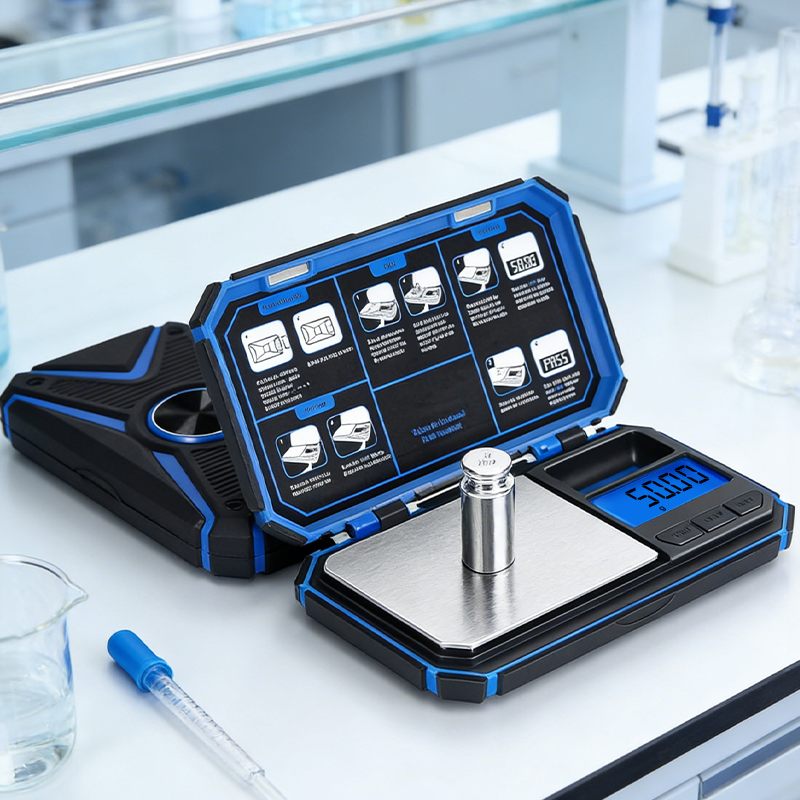
A gem dealer carried a full bench scale and lost sales on the road for lack of a quick read. A small digital scale that folded into a shirt pocket let the dealer weigh a stone in front of the client, which built confidence and closed deals without a return trip back to the shop. The dealer now keeps a small digital scale in every travel kit, because a client at a hotel expects the weight on the spot before the cash changes hands between them at the table.
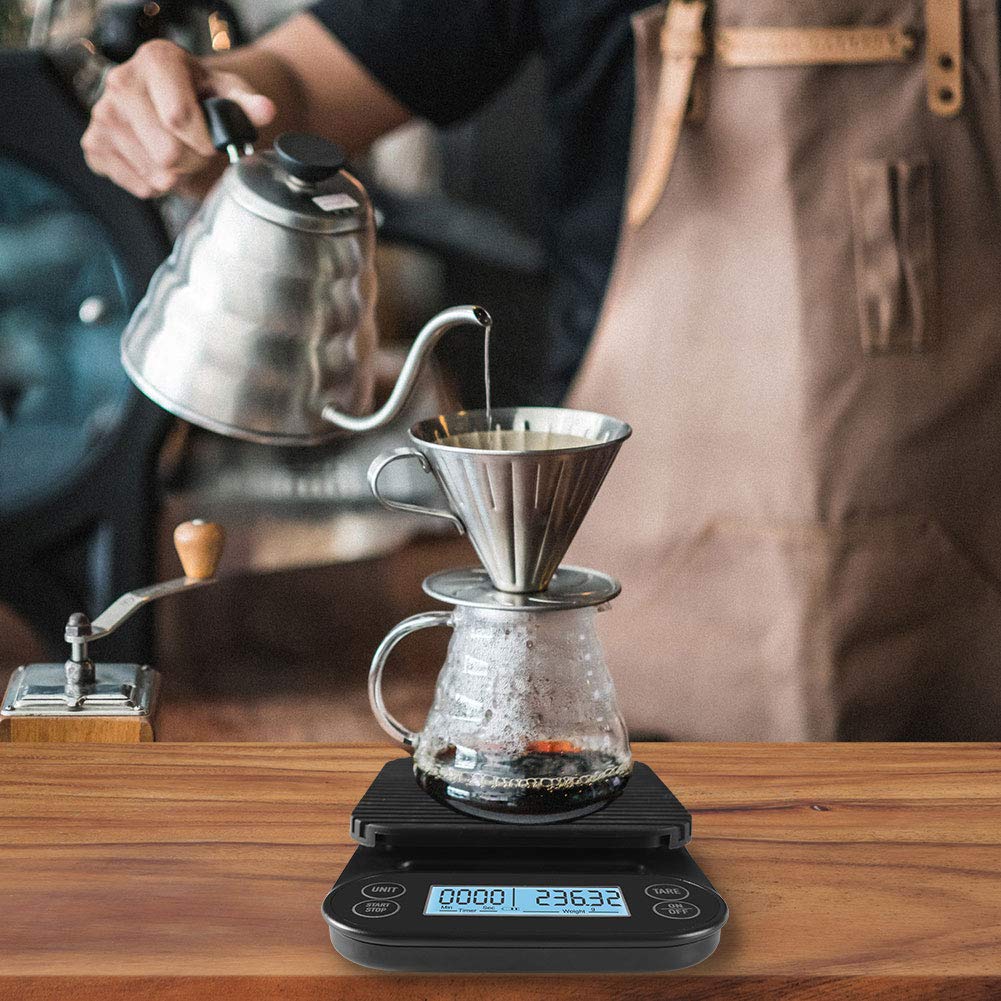
A studio cook had a counter full of gadgets and no space for a big scale at all. A small digital scale with a flip lid sat in a drawer and came out for coffee, spice, and portion work, so the cook weighed without clearing the board first. The same small digital scale handled a pinch of saffron and a scoop of rice, which kept the prep moving through a tight and busy morning that left no room for a larger tool on the counter at home.
A small digital scale rated at 200 g cannot weigh a 300 g pack of rice for the pantry. The cook overloads it, the cell takes a set, and later reads low on a light item that matters. Capacity must clear the heaviest thing the user will ever put on the pan. A small digital scale with a 500 g rating covers most jewel and kitchen work, while a 2 kg unit serves the pantry but coarsens the fine read the jeweler needs on the stone at the booth.
A small digital scale that shows 1 g cannot weigh a pinch of saffron or a 0.5 carat stone with care. The fine tasks need 0.01 g or better, and a scale built for postal bands serves neither the jeweler nor the careful cook who needs the digits to land close on a small and costly amount. A small digital scale with a switch between 0.01 g and 1 g steps covers both worlds without a second tool bought for the drawer at home where space is scarce.
A small digital scale reads through a compact load cell and a tare key that zeros the container with one press. The cook resets the bowl, adds, and reads the net, while the jeweler zeros the tray and reads the stone, both without math on a busy hand that holds the tool and the goods. A good small digital scale holds the number after the load settles and turns off to save the cell, while a unit that flickers forces a reweigh and costs the user a step and a little trust in the tool that should sit still.
A maker under ISO 9001 controls the build, and a sealed pan keeps crumbs and powder out of the joint that holds the cell. A small digital scale with that care survives a spice drawer and a gem case, where a loose pan would jam within a month of rough handling by the user. For selling by weight, a small digital scale with OIML R76 class tells the buyer the tolerance, so a market vendor can charge by the gram with a number the inspector accepts on the spot without a second check of the pan.
Pick the pan size and readability for the task, not the price tag on the shelf. A small digital scale with 0.01 g steps and a 500 g pan covers most jewel and kitchen work, and a flip lid protects the cell in a bag that gets tossed in a drawer. Weigh a coin or a class weight to confirm the read. A small digital scale that matches the known mass is ready, and one that drifts needs a zero and a fresh battery before use, not after the user doubts the number on the screen during a weigh.
Brush the pan, keep it dry, and store closed in its case away from heat. A small digital scale kept in its case holds calibration, and the user avoids the drift that a sunny windowsill and a dead cell bring to the number on the display during a long idle spell. A user should also check the battery format, because a tool on a common cell stays cheap to run, while one that needs a special pack adds a small cost over the year. A source such as ACWeights carries small digital scale models with pan size, readability, and class listed, so the buyer matches the pocket tool to the job before the order ships and the parcel lands with the right unit for the counter or the kitchen at home.
Answer: Capacity and readability pull apart, so one unit rarely fits both well in daily use. A small digital scale at 0.01 g and 200 g suits a stone but not a rice pack, while a 500 g pan coarsens the fine read. The user keeps a fine unit for gems and a larger one for the kitchen bench where the pantry and the pan meet each morning for the cook who weighs by the gram.
Answer: Jewelry wants 0.01 g or finer, and food prep is fine at 1 g for most tasks. A small digital scale that shows both steps covers most jobs, so the user need not buy two tools for the drawer. The finer digit adds cost, so the buyer matches the step to the work before checkout at the store where the scale sits on display under the light and the price tag.
Answer: Tare zeros the container so the read shows net mass, and a good small digital scale holds that zero as the battery fades slowly. A weak unit drifts low after tare, so the user rezeros on a known empty and checks the span with a coin now and then to stay safe on the pan that takes the daily load of the kitchen and the bench.
Answer: Only for selling by weight to the public, not for private use at home. A small digital scale with OIML R76 class lets a market vendor charge by the gram under inspection, while a plain unit stays a personal tool. The mark adds cost, so the buyer weighs trade need against spend before buying it for the road or the booth where goods change hands by the gram.
Answer: Auto-off saves the cell but cuts a slow weigh in the middle of a task. A small digital scale with a longer timeout or a hold key keeps the number on screen while the user reads it. The buyer picks a unit that sleeps after the load settles, not before the hand finishes the pour that the recipe times to the second on the bench during a busy cook.
Answer: Store closed and dry, brush the pan, and weigh a coin to check the read. A small digital scale kept in its case away from heat holds calibration, and a fresh battery steadies the number. The user recalibrates after a drop and avoids the sunny shelf that drifts the cell over a long idle spell between the jobs that test the tool on the road and at the counter.

Shenzhen ACCT Electronics provides professional OEM/ODM electronic scales (pocket, kitchen, bathroom, postal) for global B2B clients. 20+ years’ experience, ISO9001 & CE/RoHS certified, 8M pcs/year capacity. Trusted by EU & NA partners. Request quote today.