EN


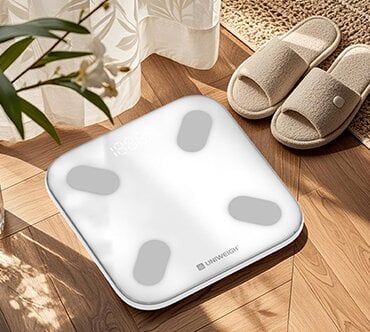

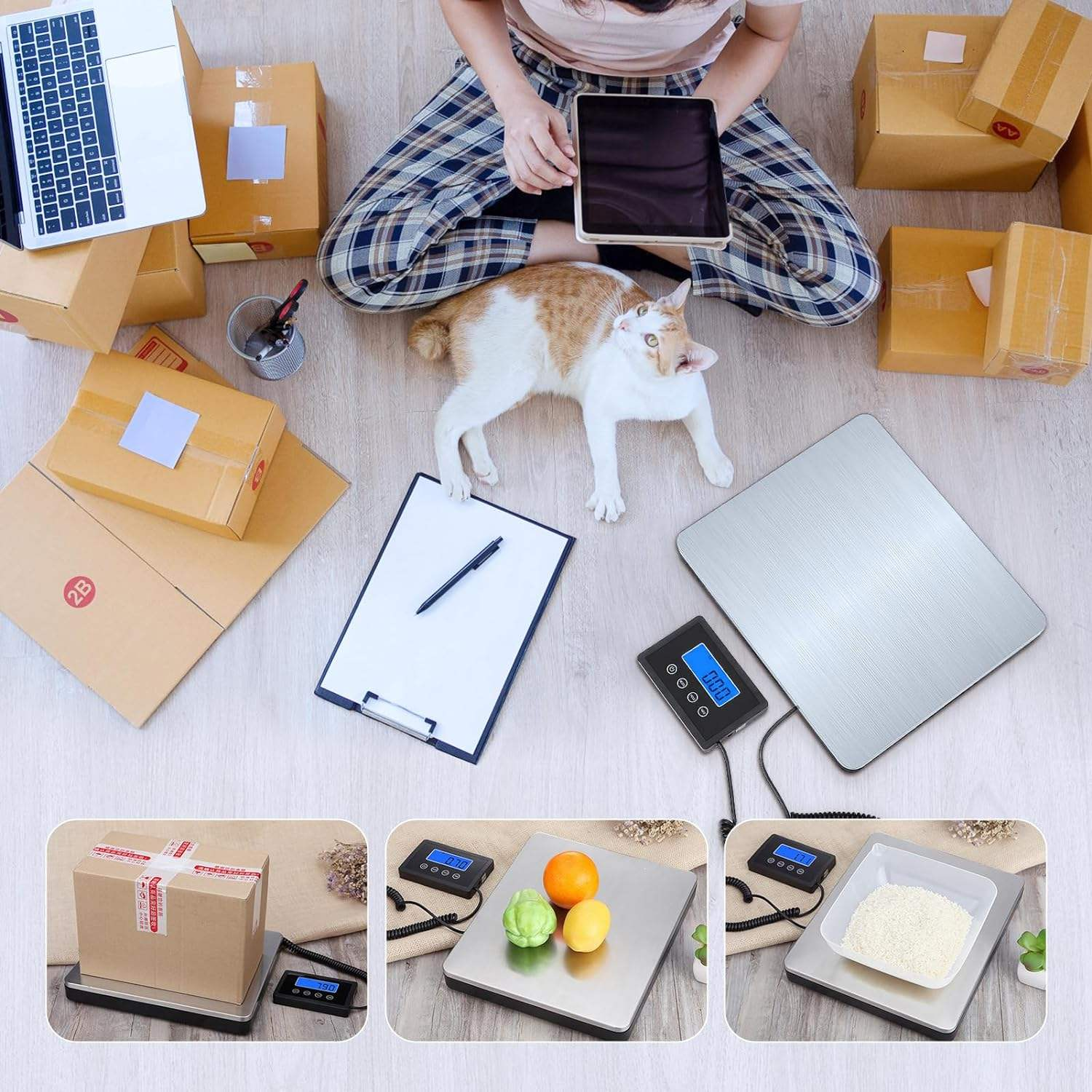
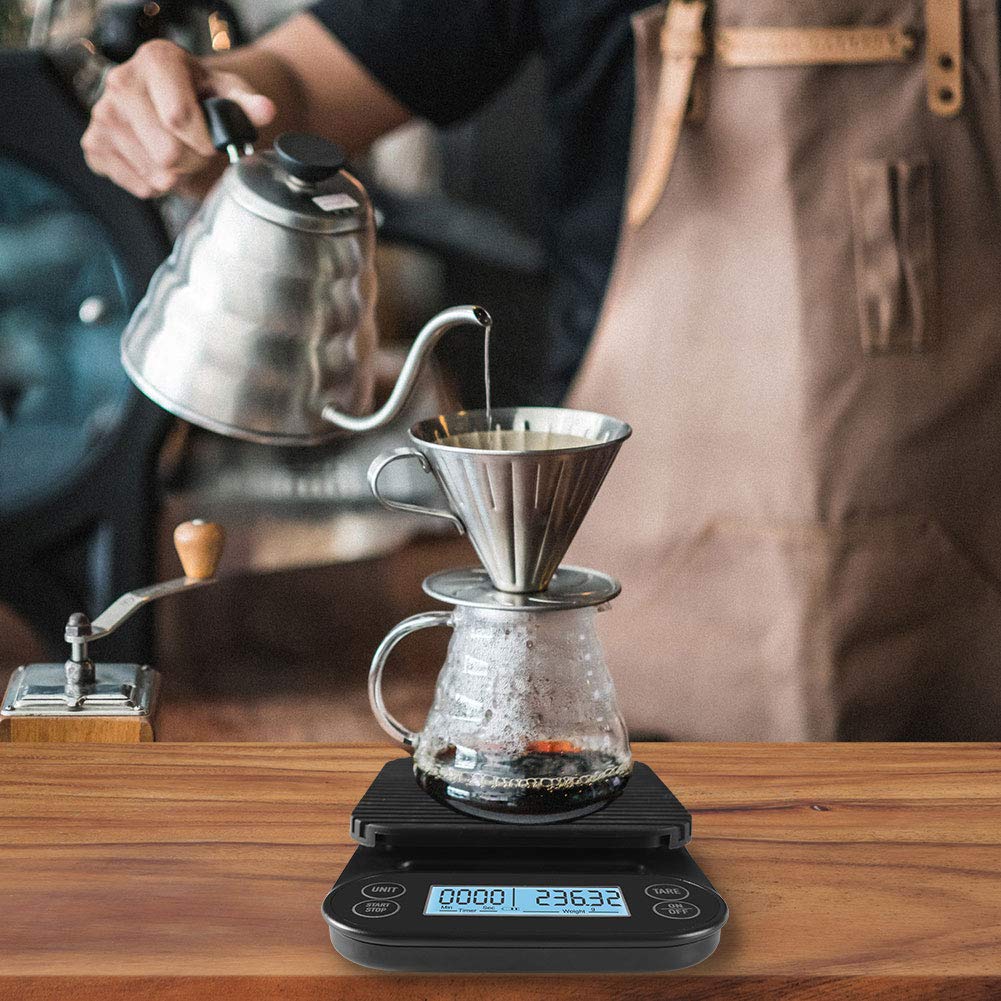
A portable weight scale earns a spot on the bench because it moves with the work. A caterer weighs trim on site, a jeweler checks stones at a show, and a shipper rates a box before the courier arrives. The right portable weight scales share a flat platform, a clear display, and a tare key that resets the reading to zero with the container resting on top of the pan during a busy shift. The display should stay readable under a bright counter light, and the foot should grip a slick surface so the tool does not slide when the hand is full. A unit that meets those points earns its place in the daily kit.
A food truck operator used a home kitchen scale that slid off the prep board and read slow under a busy lunch rush. After moving to portable weight scales with a rubber foot and a backlit display, the team weighed portions in the same time it took to plate them. The daily food cost dropped because every scoop matched the recipe on the ticket, and portable weight scales became the standard tool for the whole truck crew from open to close each day.
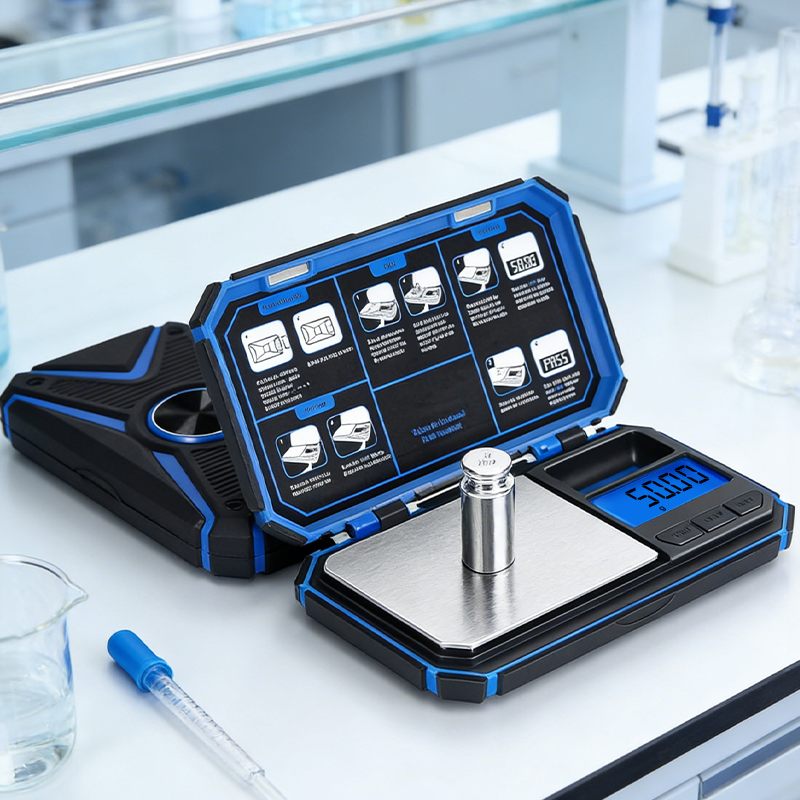
A gem seller carried a folding balance that needed a level table to read true. Portable weight scales with a built-in bubble and 0.01 g readability let the seller weigh a loose diamond in front of the customer, which built trust and closed the sale without a trip back to a lab. The seller now keeps two portable weight scales in the kit, one fine for stones and one larger for scrap gold weighed by the gram at the booth on a sunny weekend.
A cafe baked batches that tasted different each week until the owner tested the old scale with a calibration weight. The reading drifted by four grams, enough to throw off a bread formula. Portable weight scales that hold calibration through heat and bumping keep the formula steady from the first loaf to the last, so the kitchen stops blaming the oven and starts trusting the number that portable weight scales show on the display under a real load.
A small warehouse shipped a carton at the wrong band because the shipping scale rounded up. The courier charged the higher tier and the margin disappeared across a hundred orders. Portable weight scales with 1 g steps and a hold key capture the weight before the label prints, so the rate matches the box. The shipper now weighs every parcel on portable weight scales and the invoice stays clean, with no surprise fees from a rounded and wrong reading on the dock.
Most portable weight scales use a strain gauge bonded to an aluminum beam that bends a hair under load while the circuit reads the change. A precision load cell costs more but returns the same number after thousands of cycles, which matters when the scale travels in a bag every day. Readability is the smallest step the display shows, not the same as accuracy. Portable weight scales for jewelry show 0.001 g, while a parcel scale shows 1 g, and calibration with a traceable weight sets the zero and the span on the pan.
A maker that runs ISO 9001 controls the build from incoming metal to final test. Portable weight scales that meet OIML R76 carry a class that tells the buyer the allowed error at each load, so a purchase for trade use rests on a published rule rather than a claim on the box. In the United States, NTEP approves a scale for selling by weight. Portable weight scales with an NTEP mark let a market vendor charge by the gram with a number the inspector accepts on the spot without a second check of the unit.
Match capacity to the task: a 500 g jewel scale overflows on a coin lot, and a 50 kg parcel scale cannot read a 2 g herb. Portable weight scales should list both the capacity and the readability, because a wide range with a coarse step serves neither job well. A buyer should also check the battery format, because a unit that runs on a common cell stays cheap to keep alive, while one that needs a special pack adds a small but ongoing cost. Weigh a known weight each morning before the first order. Portable weight scales that read within one step of the check weight are ready, and a scale that drifts needs a zero or a fresh battery before the customer arrives at the counter to buy.
Wipe the platform with a damp cloth and keep liquid away from the joint. Portable weight scales stored in a padded case away from heat hold their calibration longer, and a scale that travels in a hard shell survives the trunk better than one loose in a tote that bangs against other tools. A supplier such as ACWeights stocks trade-approved portable weight scales with OIML and NTEP marks, and the catalog lists capacity, readability, and the load cell type so the buyer matches the tool to the job before checkout rather than after a return.
Answer: One scale rarely fits all three because capacity and readability pull in opposite directions. A jeweler needs 0.001 g steps that a parcel scale cannot show, while a shipper needs 20 kg that a gem scale cannot hold. Portable weight scales should be chosen per task, with a small precise unit and a larger shipping unit kept side by side on the bench for daily work that spans the counter and the shipping room.
Answer: Gold and diamond work calls for 0.001 g readability so a fraction of a carat shows on the display. Portable weight scales at 0.01 g suit loose stones but miss the fine differences buyers notice on a phone app. A jeweler should pick the finer step and confirm it with a traceable calibration weight before pricing a piece for a customer at the counter who checks the number.
Answer: NTEP matters only when selling by weight to the public, not for a home cook. A home kitchen can use portable weight scales without that mark and still get accurate recipe numbers every time. The mark adds cost and inspection paperwork, so a buyer weighs the need for trade approval against the extra spend before ordering a unit for private and quiet use at home.
Answer: Calibrate at least every three months and after any drop or long trip in the car. Portable weight scales in daily use drift faster, so a weekly check weight catches trouble early. A scale that fails the check needs professional calibration, not just a zero reset, to return to the published spec and keep the readings honest for the buyer who pays by the gram.
Answer: The load cell expands and contracts with heat, which shifts the zero point lower or higher. Portable weight scales left in a hot car read low until they settle to room temperature. Let the scale sit for ten minutes and tare it before weighing, and keep it out of direct sun during outdoor markets where the metal platform bakes and the number swings with the shade.
Answer: Liquid in the seam, a dead battery left inside, and drops onto a hard floor. Portable weight scales survive longer with a wipe after use, a fresh cell before travel, and a padded case in transit. A scale treated this way holds calibration and keeps the display clear through a long season of shows and shipping runs that test the tool hard on the road.

Shenzhen ACCT Electronics provides professional OEM/ODM electronic scales (pocket, kitchen, bathroom, postal) for global B2B clients. 20+ years’ experience, ISO9001 & CE/RoHS certified, 8M pcs/year capacity. Trusted by EU & NA partners. Request quote today.