EN
EN



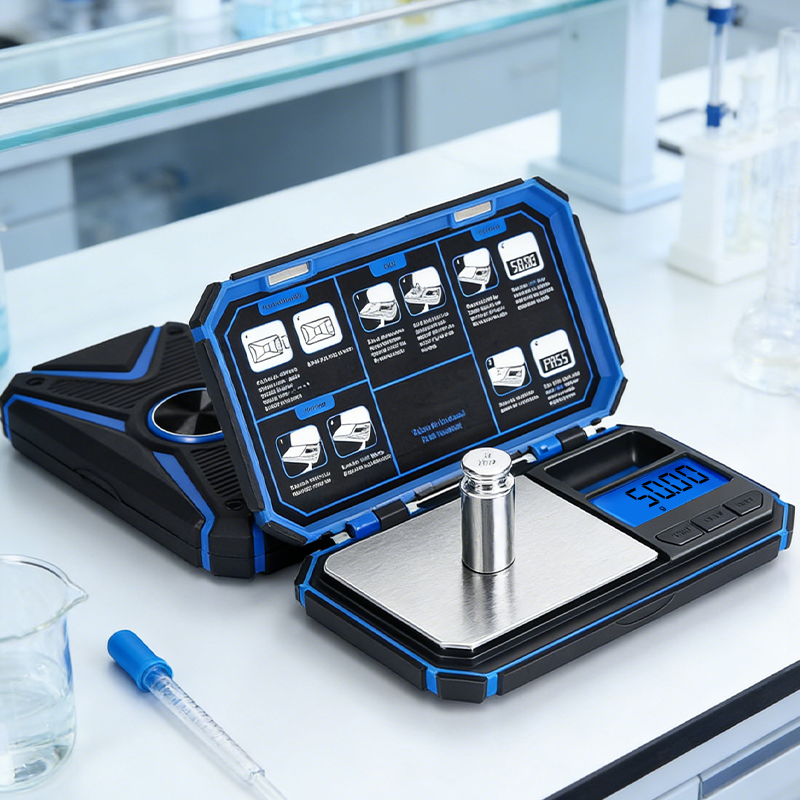
For precision jewelry scales, calibration and verification are basically essential components that ensure proper metrological standards. Calibration involves physically adjusting the scale so it matches those NIST-traceable standards we all talk about, whereas verification simply checks if everything stays accurate between those regular calibrations. According to industry stats published in Metrology Journal last year, these scales tend to drift around plus or minus 0.1 percent each month just from normal usage over time. That makes both calibration and verification absolutely necessary work, particularly since even a tiny 0.01 gram mistake equals roughly sixty cents difference in gold value right now. Think of verification like having an early warning light that catches any drifting measurements caused by temperature changes or parts wearing down before things get really bad. These combined practices create what regulators need for their audit trails, especially important for organizations like gemological associations and companies following fair trade rules. After all, those little mistakes add up fast when dealing with expensive jewelry pieces worth thousands.
Achieving laboratory-grade accuracy demands methodical calibration with certified weights. Follow this standardized workflow:
Environmental Preparation
Stabilize ambient conditions: 20–25°C, <40% humidity, and zero airflow. Use vibration-dampening surfaces and engage draft shields to eliminate interference.
Pre-Calibration Checks
Multi-Point Calibration
Apply NIST-traceable weights at critical capacity points:
| Calibration Point | Recommended Weight | Tolerance |
|---|---|---|
| Zero Adjustment | 0g | ±0.001g |
| Mid-Capacity | 50% max capacity | ±0.002g |
| Full Capacity | 100% max capacity | ±0.005g |
Validation Sequence
After internal adjustments, verify linearity by testing intermediate weights (e.g., 10g, 20g, 50g). Record deviations exceeding ±0.003g as indicators requiring professional servicing. Always document calibration certificates with unique weight IDs to maintain ISO 17025-compliant audit trails.
Getting accurate readings from precision jewelry scales depends heavily on keeping the environment stable. When temperatures fluctuate, they actually expand the load cells inside the scale. We're talking about something really small here too – just a 1 degree Celsius change can throw off readings by plus or minus 0.002 grams. That's why it makes sense to keep these scales away from places where temperature changes happen often like near heating vents, windows, or other heat sources. Air movement is another big problem for these super sensitive instruments. Even the slightest breeze can mess with measurements at the microgram level. Always make sure to use those fully enclosed draft shields when taking readings. Static electricity also creates issues, especially when working with synthetic materials or in dry environments. To combat this, most jewelers swear by anti-static mats and ionizers. Maintaining humidity levels between 40% and 60% becomes absolutely essential for anyone dealing with gemstones or precious metals. After all, losing track of even 0.001 gram means real money on the table in this business.
Getting good vibration isolation isn't just nice to have it's essential if we want reliable results. Everyday things like people walking by, machines running nearby, or anything else shaking the floor can create tiny but significant problems. We're talking about vibrations that push over 0.005g, which makes all the difference when dealing with precious stones or calibration weights. The best approach? Granite tables with those special damping pads underneath them. According to recent research from metrology labs in 2023, these setups soak up around 90% of background shakes and tremors. Place the scale where there's not much foot traffic, preferably tucked away from doors and high traffic areas. And those draft shields aren't optional they need to completely surround the weighing area with every panel shut tight while taking measurements. Even a quick peek inside can mess up the whole process. Don't forget to check the level regularly too most modern scales come with bubble indicators built right in. Putting all this together cuts down on measurement errors by roughly three quarters compared to what happens in normal lab conditions without proper controls.
How often we need to calibrate scales really comes down to what they're doing and how much risk is involved. For instance, when dealing with precious items such as diamonds or verifying gold weights, these instruments typically need checking every month because their load cells get stressed from constant use. On the flip side, if someone only checks alloys once in a while, maybe three times a year works fine. The stakes matter quite a bit here too. Imagine finding out after the fact that there was a tiny error of just 0.001 grams when weighing gems this could cost thousands and damage trust completely compared to regular day-to-day measurements where small errors don't matter so much. Start off following what the manufacturers recommend, but adjust according to actual conditions faced during operations. Places where equipment sees heavy action tend to cut back on calibration periods by around half just to stay within acceptable measurement standards set by authorities.
Three core maintenance practices prevent accuracy drift:
Checking scales regularly with certified reference weights helps ensure they stay accurate between official calibration sessions. The process basically means placing those NIST-traceable standard weights throughout the scale's working range, paying special attention to the weights people actually use most often during transactions, then checking how close the readings come to what's printed on the certificate. Research indicates that jewelry scales used every day tend to lose about 0.01 to 0.03 percent accuracy each month from normal wear and tear plus changes in temperature and humidity. For shops doing lots of business, checking twice a month instead of once makes good sense. When running these tests, it's important to place the scale on a surface that won't shake around and make sure any protective covers against air currents are properly closed. If the numbers start drifting outside what the manufacturer considers acceptable, time to bring out the calibration tools right away. Keeping track of all this in a logbook with dates, which weights were tested, what was measured, and whether everything passed or failed creates a paper trail for compliance purposes and spots trends before they become bigger problems.
Precision calibration is the backbone of trustworthy jewelry valuation—no high-quality scale can maintain accuracy without consistent, traceable calibration practices. By implementing rigorous calibration protocols, controlling environmental interference, and following proactive maintenance schedules, you’ll eliminate costly errors, ensure regulatory compliance, and protect your business reputation.
For industrial-grade precision jewelry scales and expert guidance on calibration (as offered by ACCT), partner with a manufacturer rooted in over 20 years of weighing expertise. ACCT’s portfolio includes NIST-traceable, ISO-certified jewelry scales—backed by strict quality control, global export capabilities, and support for custom OEM/ODM solutions. Whether you need calibration-compatible scales for high-volume jewelry shops or lab-grade instruments for gemological labs, contact us today for a no-obligation consultation to refine your weighing and calibration processes.
Shenzhen ACCT Electronics provides professional OEM/ODM electronic scales (pocket, kitchen, bathroom, postal) for global B2B clients. 20+ years’ experience, ISO9001 & CE/RoHS certified, 8M pcs/year capacity. Trusted by EU & NA partners. Request quote today.