EN


Mini Portable Digital Scale: Optimize Business Usage
For a distributor, private-label buyer, or operations team, a mini portable digital scale is not simply a small gadget to place in a catalog. It is a configuration decision. The right mini portable digital scale has to fit the item being weighed, the place where people use it, and the expectations attached to the channel. Start with the job, not with a generic promise of precision.
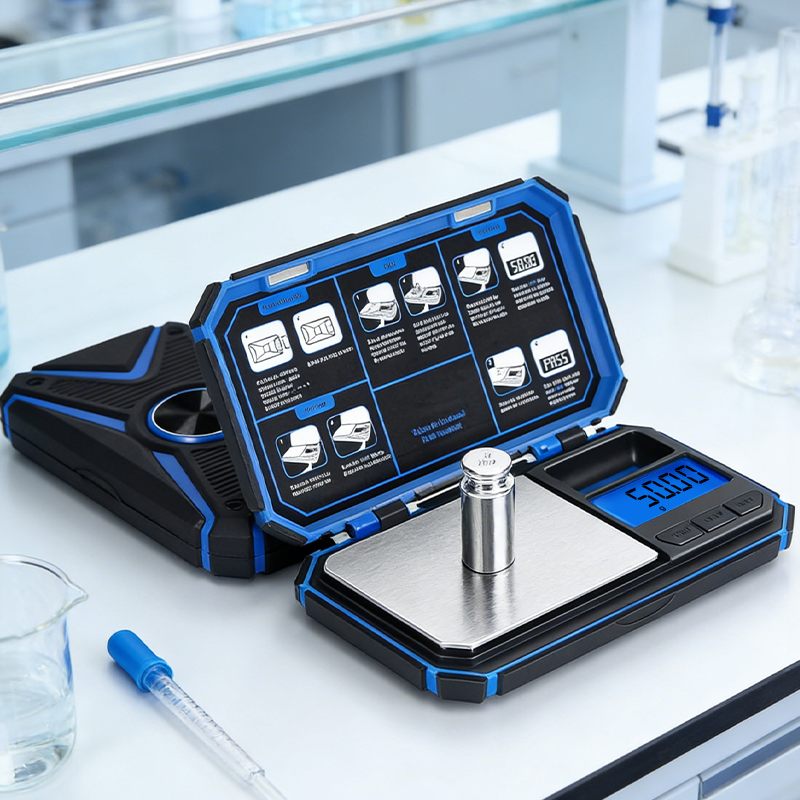
That distinction matters because “mini” often combines several priorities: compact storage, manageable handling, a readable display, and a useful weighing range. A mini portable digital scale can be a sensible option for small-item, food-preparation, mobile-retail, or sample-check workflows, provided the requirements are identified first. The next question is what the customer must weigh, how often, and under what conditions.
Start with the business workflow
When reviewing a mini portable digital scale for business use, define the user scenario in plain terms. Is the product intended for jewelry-sized items, packaged ingredients, small parts, or a retail counter? Will it sit on a stable bench, travel in a kit, or move between locations? These answers narrow the configuration far more effectively than a long feature list.
A mini portable digital scale sold for a resale channel also needs an operational story that can be explained clearly. Buyers may care about bag-friendly storage, while end users may care most about the display angle or a straightforward sequence for checking units. Portable does not automatically mean appropriate for every task. Item weight, container size, handling method, and the available surface still matter.
- Identify the typical item and its likely weight range.
- Describe whether users weigh directly on the platform or in a container.
- Confirm where the mini portable digital scale will be placed and stored.
- List required units and the intended market before comparing offers.
Separate capacity, displayed increment, and practical fit
One common sourcing mistake is to treat every number on a specification sheet as the same kind of promise. Capacity tells a buyer the maximum load a mini portable digital scale is designed to handle. The displayed increment tells the buyer how finely the display changes. Neither figure, by itself, establishes a blanket accuracy claim for every application. A specification written as a capacity and increment should be read as two separate selection inputs.
For business use, this distinction helps teams compare like with like. A mini portable digital scale with a compact format may be appropriate for a light-item workflow but unsuitable when the item, container, or repeated load approaches the planned range. Conversely, choosing a very fine displayed increment without considering the operating environment can lead to an unhelpful comparison. Ask what reading the user needs to see, what load must be accommodated, and what conditions need to be controlled.
In many routine setups, a stable, level surface makes the reading easier to interpret. Before turning that point into a sales claim, treat it as a practical operating condition. A mini portable digital scale used on a soft, uneven, or temporary surface may require a different workflow than one used at a fixed workstation.
Use the feature conversation to prevent mismatched quotes
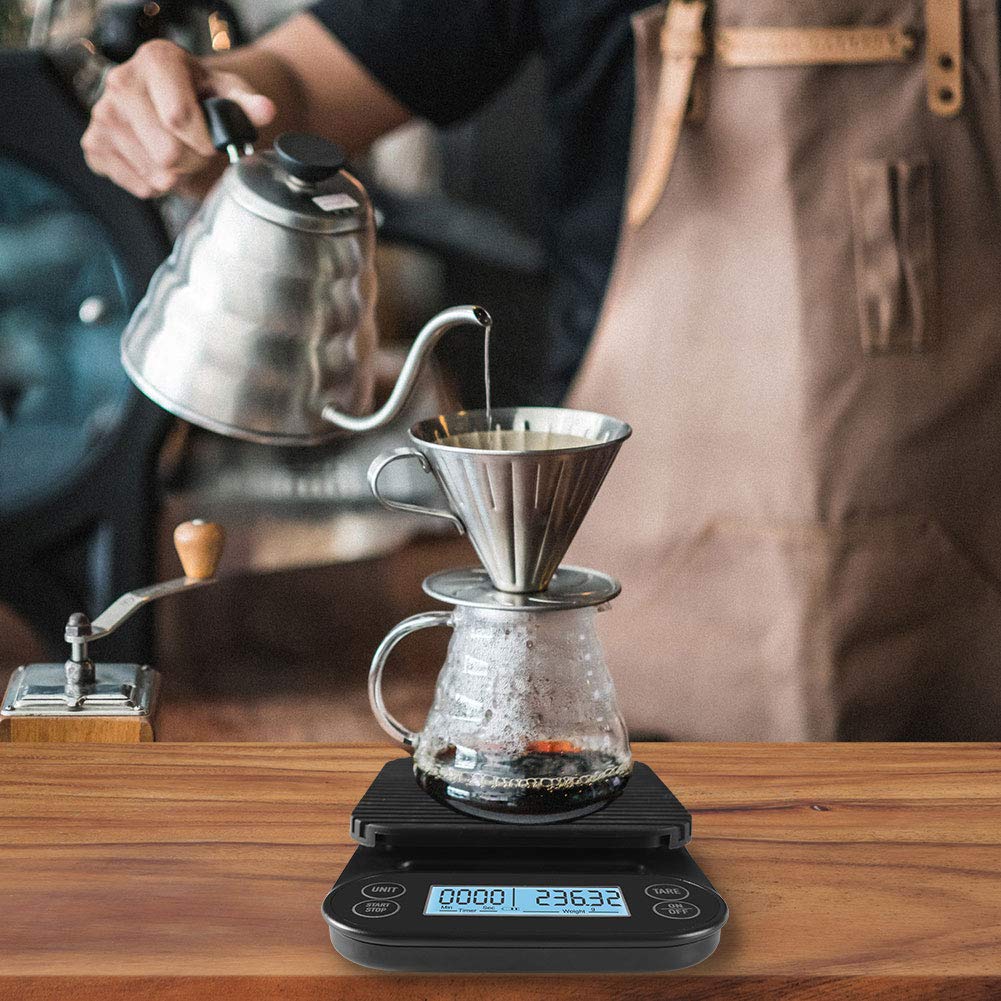
The most useful feature discussion connects each function to a task. For example, a tare-oriented workflow can help when a user places a container before adding an item. The sequence is simple: place the empty container, tare it if the configuration supports that function, add the item, and wait for the display to settle. A mini portable digital scale should be evaluated against that actual sequence rather than against feature names alone.
For a sourcing team, it may be worth turning the selection into a short RFQ checklist. Confirm the target capacity, displayed increment, units, platform arrangement, display readability, storage expectations, power arrangement, packaging needs, and destination market. If branding or channel-specific packaging is needed, state it separately from the core mini portable digital scale configuration. This keeps standard requirements distinct from items that need supplier confirmation.
| Decision area | Question to resolve | Why it affects business usage |
|---|---|---|
| Load range | What is the heaviest item and container? | Helps prevent capacity mismatch. |
| Displayed increment | What level of display detail does the task require? | Supports clearer comparison without overclaiming performance. |
| Use location | Is the mini portable digital scale used at a bench, counter, or mobile setting? | Connects portability to setup conditions. |
| Units and market | Which units and documentation need review? | Turns a general product request into a usable sourcing brief. |
Plan for repeatable day-to-day use
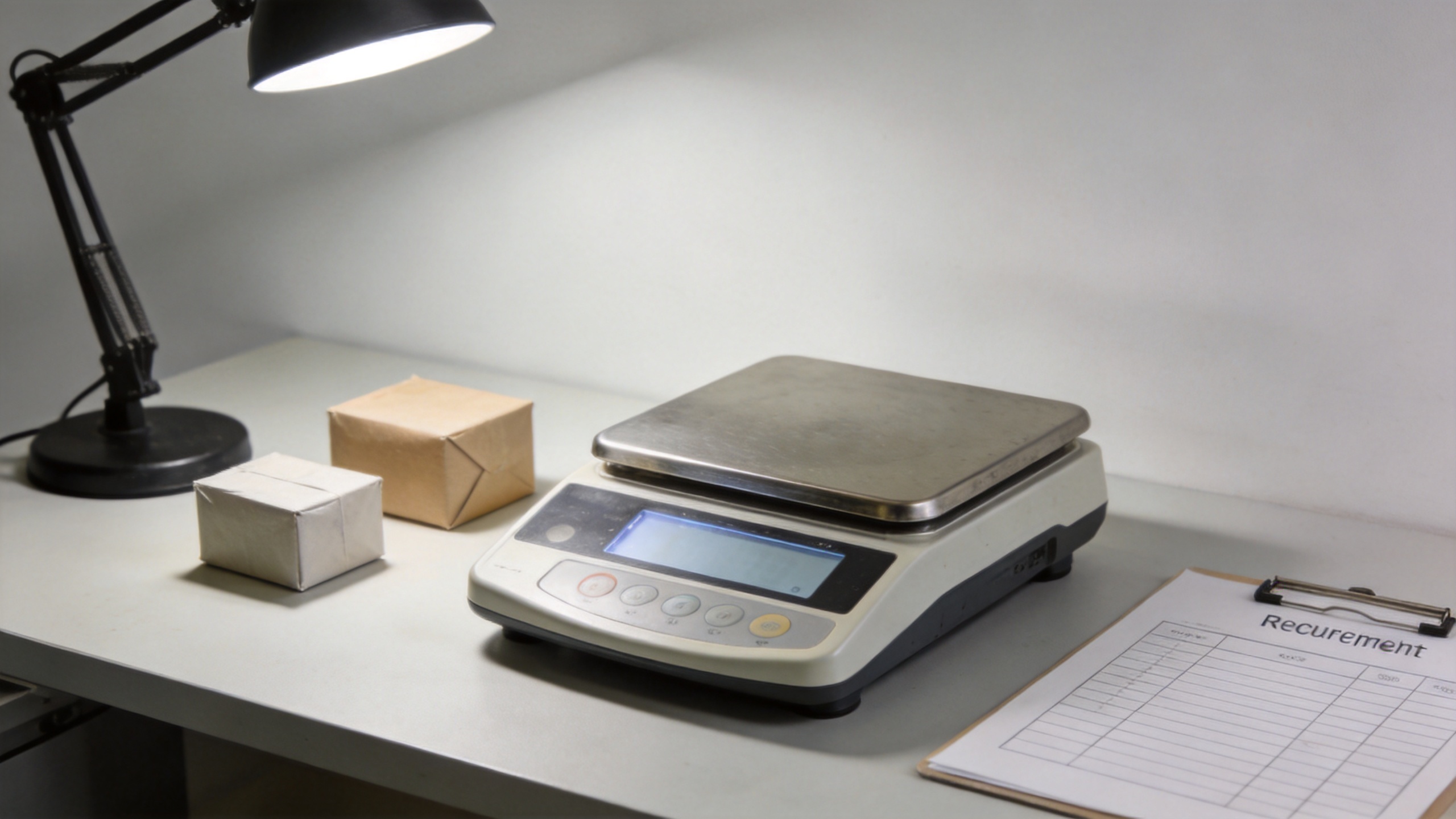
Compact equipment is often chosen because it can move easily, but a reliable process still benefits from consistency. Give users a simple operating sequence: place the mini portable digital scale on a firm surface, turn it on, confirm the unit, let the display settle, then add the item. For container-based weighing, confirm the tare workflow in the applicable product documentation before making it part of a user instruction.
Screen visibility deserves the same practical attention. A mini portable digital scale may be carried into a back room, a pop-up setting, or a receiving area where the viewing posture differs from a countertop setup. Consider whether users can read the display while handling the item. Protective storage can also be relevant when the product is kept in a bag, drawer, or merchandise kit rather than in a fixed location.
Build a stronger supplier conversation
Shenzhen ACCT Electronics presents OEM/ODM electronic-scale positioning and coverage that includes pocket-scale categories. That can support a requirement-led conversation, but suitability must still be confirmed for the exact configuration. A good inquiry for a mini portable digital scale identifies the use case, anticipated weight range, required units, target market, and any branding or packaging requirement. It also asks which details are standard and which require a documented confirmation.
For claims about performance, certifications, or market applicability, request current documentation that applies to the selected configuration. This is especially important when a mini portable digital scale will be distributed across markets or included in a formal procurement review. Evidence-first questions protect both the buyer and the channel from treating broad marketing language as a final technical approval.
A practical decision before you buy or specify
In short, optimize a mini portable digital scale around the job it needs to do. Define the item, load range, display needs, setting, units, and storage conditions. Then compare configurations on those same criteria. This approach helps a business avoid choosing only by price or by a generic “high precision” label.
If your team is developing a private-label or OEM request, prepare a concise requirement sheet before asking for a quote. A mini portable digital scale can suit a focused workflow when the configuration, operating conditions, and supporting documentation are aligned. Confirm the final details with the supplier before treating any option as the final match.