EN



 ×
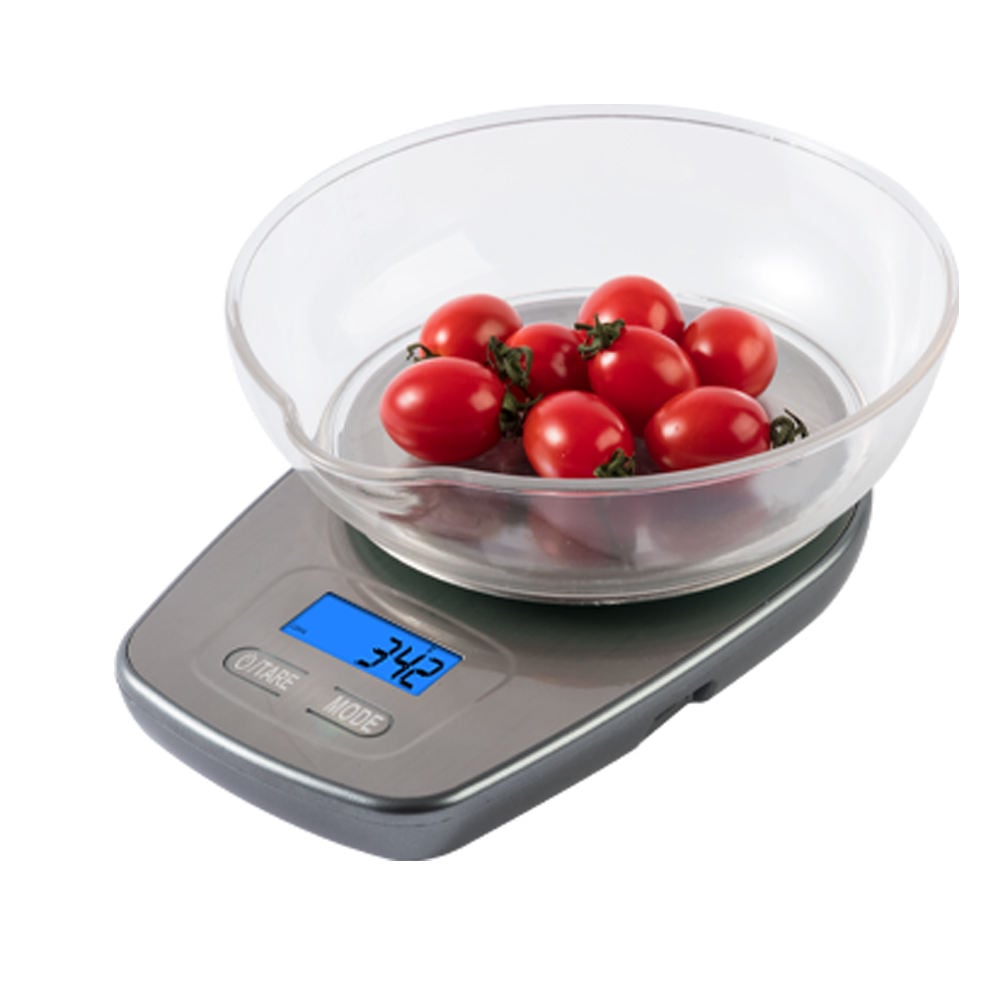
A digital pocket scale occupies the intersection of precision measurement and everyday portability. These scales weigh from milligrams to hundreds of grams, fitting into a toolbox, pharmacy drawer, or field kit. Selecting the right digital pocket scale requires balancing three competing factors: accuracy, maximum capacity, and physical size. Optimizing one typically compromises another.
Digital pocket scales specify resolution — the smallest weight increment displayed — in grams, carats, grains, or ounces. A scale with 0.01-gram resolution can distinguish between a 5.00-gram sample and a 5.01-gram sample. For jewelry, gemstone, and pharmaceutical applications where sub-gram precision matters, 0.01-gram resolution is the minimum acceptable standard. For general kitchen or postal use, 0.1-gram resolution is sufficient and often more practical because the display stabilizes faster.
Resolution is not the same as accuracy. A digital pocket scale may display to 0.01 grams while having a measurement accuracy of plus or minus 0.03 grams. Accuracy depends on the strain gauge load cell quality, temperature compensation, and calibration state. Scales with auto-calibration functions compensate for temperature drift — temperature changes of 10°C can shift readings by 0.05 to 0.2 grams on an uncompensated scale. A calibration weight included with the scale allows field verification, but the weight itself must be certified — a free calibration weight of unknown tolerance undermines the calibration.
Pocket scale capacities range from 20 grams for gemstone scales to 1,000 grams for multi-purpose models. The scale's accuracy is typically expressed as a percentage of full scale, meaning a 500-gram scale with 0.1-gram resolution has proportionally better performance at mid-range than a 1,000-gram scale with the same resolution. Overloading a digital pocket scale — placing 600 grams on a 500-gram capacity scale — permanently deforms the load cell beam, causing a zero-point offset that cannot be calibrated out.
For multi-purpose use, a 200-gram to 500-gram capacity range with 0.01-gram resolution covers jewelry, food portioning, and small parts counting. Specialized applications should match capacity closely to the expected maximum weight — operating a scale near its capacity limit accelerates load cell fatigue.
A digital pocket scale's portability creates its primary vulnerability. Pocket scales carried in bags and toolboxes experience shock, vibration, and temperature swings that full-size bench scales never encounter. A protective cover over the weighing platform prevents load cell damage during transport — scales without platform protection develop zero-point drift after as few as 20 transport cycles.
Dust and moisture protection matter for scales used in kitchens, workshops, and outdoor environments. The weighing platform sensor gap — the space between the platform and the scale body — is an entry point for flour, metal dust, and moisture that interfere with the load cell mechanism. Scales with sealed platform designs or silicone gaskets at the sensor gap maintain accuracy longer in dusty environments.
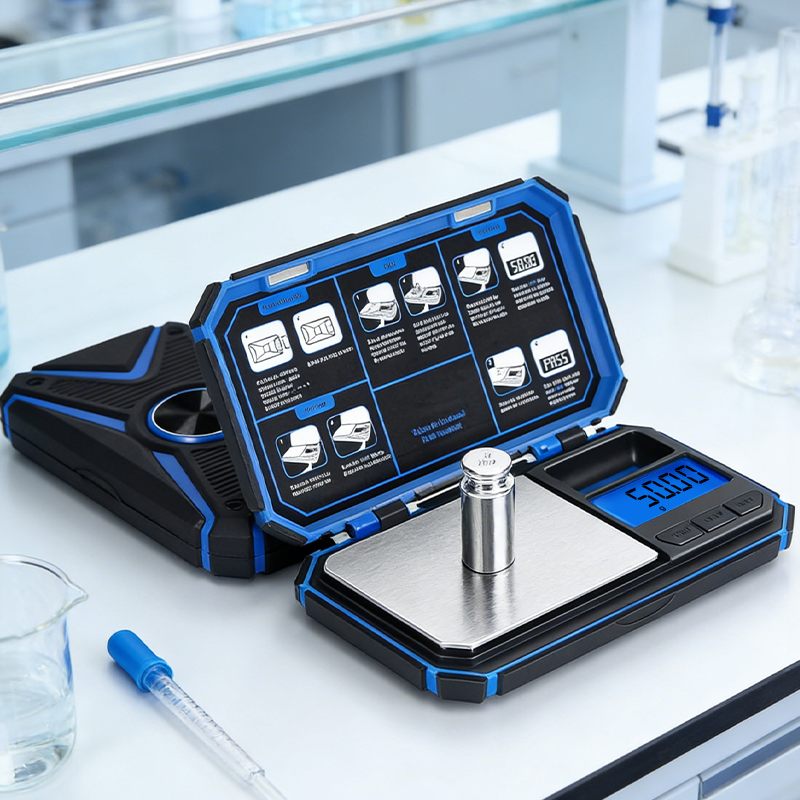
Most digital pocket scales enter calibration mode through a specific button sequence. The procedure requires placing a known calibration weight — typically 100, 200, or 500 grams depending on the scale model — on the platform at the calibration prompt. The scale measures the weight and stores the corresponding calibration coefficient. Calibration should be performed after any significant temperature change, after transporting the scale, and monthly during regular use.
A quick accuracy check using a coin of known weight — a U.S. nickel weighs 5.0 grams, a quarter 5.67 grams — provides a field-expedient verification between formal calibrations. Readings consistently more than two resolution units from the known value indicate recalibration or service is needed.
A compounding pharmacy chain with 28 locations used digital pocket scales for weighing active pharmaceutical ingredients in doses as small as 20 milligrams. Accuracy requirements demanded 0.001-gram resolution with verified calibration at each use. The pharmacy's original scale program experienced a 12 percent quarterly failure rate, primarily from platform damage during transport between compounding stations.
The chain standardized on a digital pocket scale from ACCT Electronics with a protective platform cover and a calibration weight storage compartment integrated into the carrying case. Scales were assigned to individual pharmacists rather than shared between stations, eliminating the transport damage from frequent handling. Quarterly failure rates dropped to 2 percent. Calibration verification using a certified 100-gram weight at the start of each shift was incorporated into standard operating procedures.
0.01-gram resolution is the minimum for jewelry weighing. Gemstone and precious metal verification often requires 0.001-gram resolution. The scale should include a calibration weight and wind shield for sub-0.1-gram measurements.
Load cells drift approximately 0.005 to 0.02 percent of reading per degree Celsius. A scale moved from a cold vehicle to a warm room may show a 0.05 to 0.2-gram error until it reaches thermal equilibrium, typically within 15 to 30 minutes.
Calibration requires a certified weight of known tolerance, typically Class M1 or better. Coins and household objects have unverified weights that introduce calibration errors. ACCT Electronics includes certified calibration weights with their precision pocket scale models.
Air currents, vibration, and electromagnetic interference from nearby electronics cause unstable readings. Use on a solid, level surface away from fans, air conditioning vents, and cell phones. A draft shield improves stability for sub-0.1-gram measurements.
Monthly during regular use, after any significant temperature change, and after transporting the scale. Scales used for regulated applications such as pharmaceutical compounding may require daily or per-use calibration verification.
Digital pocket scales use strain gauge load cells for electronic weight measurement. Balance scales compare unknown weight against known masses through mechanical leverage. Digital scales are faster and more portable; balance scales offer higher precision for laboratory use but lack portability.

Shenzhen ACCT Electronics provides professional OEM/ODM electronic scales (pocket, kitchen, bathroom, postal) for global B2B clients. 20+ years’ experience, ISO9001 & CE/RoHS certified, 8M pcs/year capacity. Trusted by EU & NA partners. Request quote today.