EN
EN



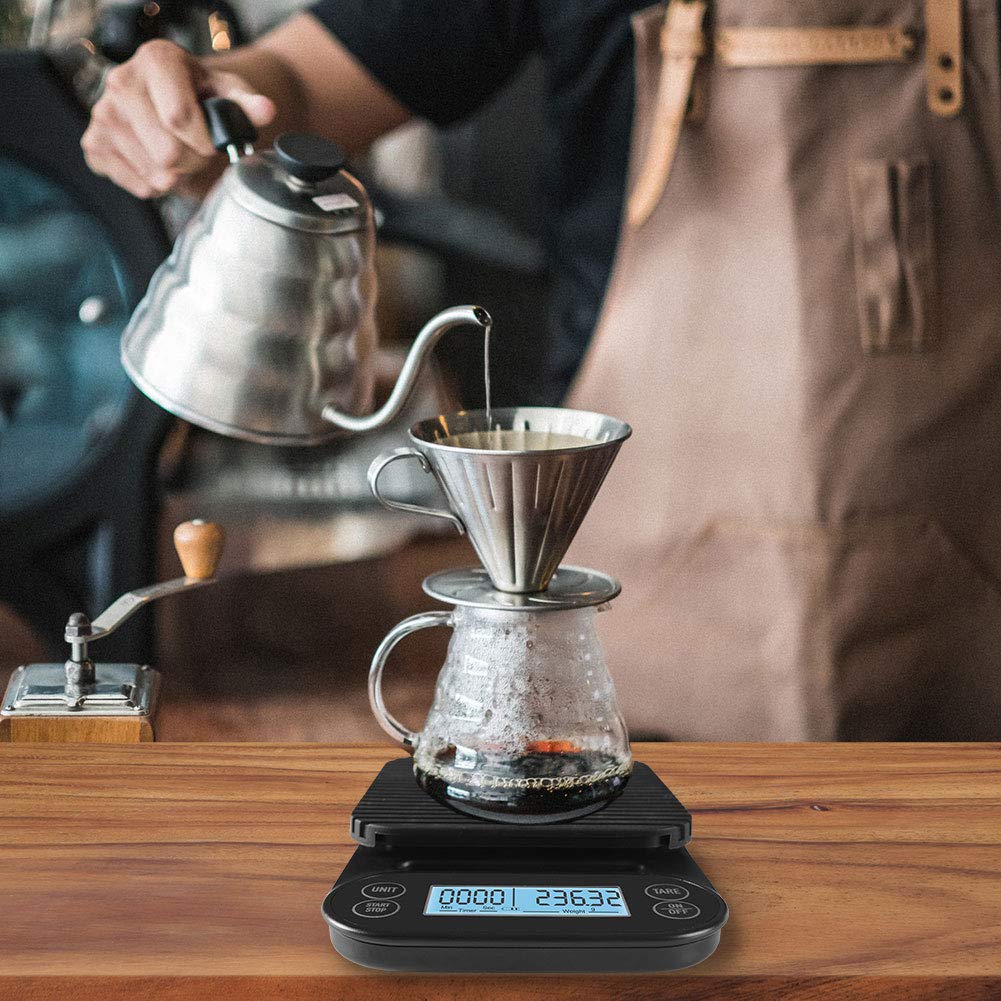
For B2B buyers, 0.1g precision is not a marketing gimmick—it is a functional requirement that directly impacts end-user satisfaction. In baking, where ingredient ratios determine texture and rise, even a 1-gram deviation in yeast or leavening agents can ruin an entire batch. Professional kitchens rely on this granularity to replicate recipes consistently across high-volume production. In nutrition applications—such as meal-prep services and clinical dietary programs—0.1-gram resolution enables accurate macro-tracking and portion verification. Commercial portion control also benefits significantly: over-pouring expensive spices, supplements, or specialty ingredients by just a few tenths of a gram compounds into measurable cost leakage over time. By engineering kitchen electronic scales that deliver true 0.1-gram readability, OEMs empower their clients to meet strict quality, safety, and cost-control benchmarks.
Precision on paper means nothing without rigorous, traceable calibration. Reputable OEMs ensure every unit meets defined accuracy thresholds through metrologically sound procedures aligned with ISO/IEC 17025, the international standard for testing and calibration laboratory competence. This certification confirms that the manufacturer’s test lab maintains documented processes, staff competency, equipment traceability to national standards (e.g., NIST or PTB), and uncertainty budgets for all measurements. During production, each load cell and sensor is verified under controlled temperature and humidity conditions—and periodically re-calibrated to mitigate drift. For B2B buyers, specifying ISO/IEC 17025-aligned testing in procurement agreements reduces field failure risk, supports regulatory readiness (especially in food-safety– or pharmaceutical-adjacent applications), and strengthens audit defensibility. It remains one of the most decisive technical differentiators in OEM scale selection.
Modern kitchen electronic scales integrate essential features that streamline precision measurement in demanding environments. The tare function allows users to reset to zero after placing bowls or containers—ensuring readings reflect ingredient weight only. Seamless unit switching between grams, ounces, pounds, and milliliters accommodates global recipes, nutritional labeling requirements, and regional compliance needs. An intelligent auto-off mechanism preserves battery life during intermittent use while maintaining fast wake-up responsiveness—critical in fast-paced commercial workflows. High-contrast LCD displays with anti-glare coatings remain legible under overhead lighting, ambient shadows, or low-visibility corners. Together, these features form the non-negotiable foundation for reliable, repeatable measurement in bakeries, food production lines, and regulated food-service operations.
Beyond baseline functionality, premium kitchen electronic scales incorporate engineering refinements that address real-world operational challenges. Dual-platform load distribution uses multiple strain gauge points to maintain accuracy—even when weighing irregularly shaped produce, bulk grains, or off-center items—a common pain point in commercial prep. Sealed laminated interfaces with IP65 or higher ingress protection prevent flour dust, moisture, steam, and cleaning agents from penetrating internal electronics, significantly extending service life in humid or high-sanitation environments. These enhancements distinguish industrial-grade scales from consumer models—not just in durability, but in sustained measurement integrity across thousands of cycles. They directly support long-term ROI in bulk ingredient processing, automated portioning stations, and high-volume recipe execution.
OEM customization begins at the physical layer. B2B buyers can specify stainless steel platforms—304 or 316 grade—for corrosion resistance, durability, and NSF-compliant cleanability in commercial kitchens. Miniaturized load cells enable slimmer, space-efficient designs without compromising 0.1g readability, fitting seamlessly into compact countertop workflows or integrated appliance systems. For wet or washdown environments, IP65-rated enclosures protect internal electronics from dust and low-pressure water jets—extending product life in bakeries, delis, and food prep zones. These hardware adaptations allow brands to tailor performance, aesthetics, and longevity to precise operational and regulatory contexts.
Firmware-level customization shapes both usability and brand equity. OEM partners can embed custom UI logic—such as preconfigured modes for flour, sugar, or protein powder; context-aware unit defaults; or one-touch tare sequences—to reduce operator error and accelerate workflow. Subtle branding elements—including laser-etched or molded logo embossing on the platform or display bezel—reinforce identity without sacrificing ergonomics. Private-label firmware updates enable remote calibration adjustments, region-specific unit behavior, or over-the-air feature rollouts—giving resellers scalable control over product evolution and lifecycle management. This level of integration ensures each kitchen electronic scale reflects not just technical alignment, but strategic market positioning and post-sale agility.
0.1g precision means the scale can accurately measure down to one-tenth of a gram, which is crucial for applications like baking, nutrition, and portion control.
ISO/IEC 17025 compliance ensures that the scale has been rigorously tested for accuracy, reducing field failures and meeting regulatory requirements.
Essential features include tare functionality, unit switching, an auto-off mechanism, and high-contrast LCD displays for reliable and efficient operation.
Dual-platform load distribution maintains accuracy when weighing irregularly shaped or off-center items, making it ideal for commercial environments.
Customization options include stainless steel platforms, miniaturized load cells, IP65 enclosures, custom UI logic, and private-label branding or firmware updates.
Shenzhen ACCT Electronics provides professional OEM/ODM electronic scales (pocket, kitchen, bathroom, postal) for global B2B clients. 20+ years’ experience, ISO9001 & CE/RoHS certified, 8M pcs/year capacity. Trusted by EU & NA partners. Request quote today.