EN
EN



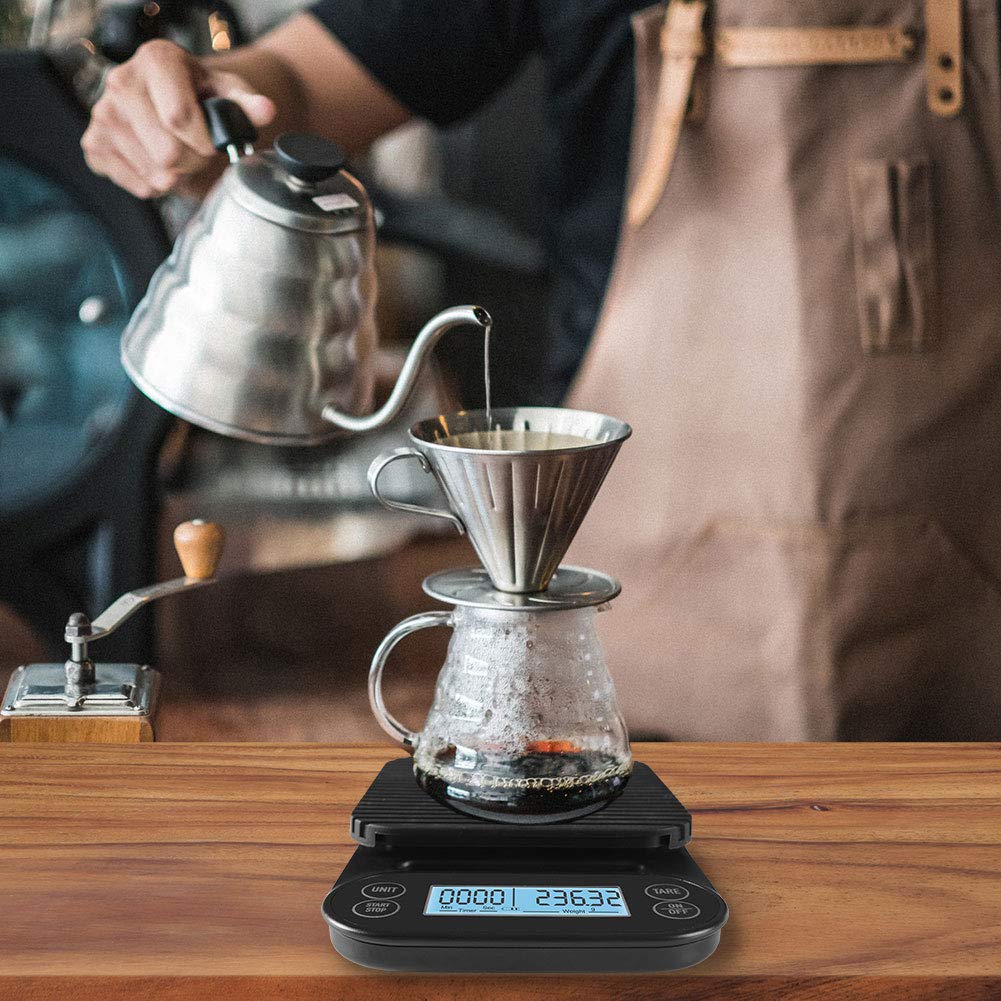
Getting precise measurements changes cooking from a shot in the dark to something that works every time, which is why kitchen digital scales are so helpful for consistent results. Volume measurements like cups and spoons just don't cut it because different ingredients pack differently depending on how dense they are. Weighing ingredients removes all that guesswork though. Baking really depends on getting the right proportions right. Just a small mistake, maybe around 5% off in flour or water content, can completely change how things turn out in terms of texture and how much they rise. Plus, most good kitchen scales have that handy tare button that lets you reset the weight after adding each ingredient. This saves space on your counter since you don't need multiple bowls lying around, plus it makes cleaning up afterward way easier too.
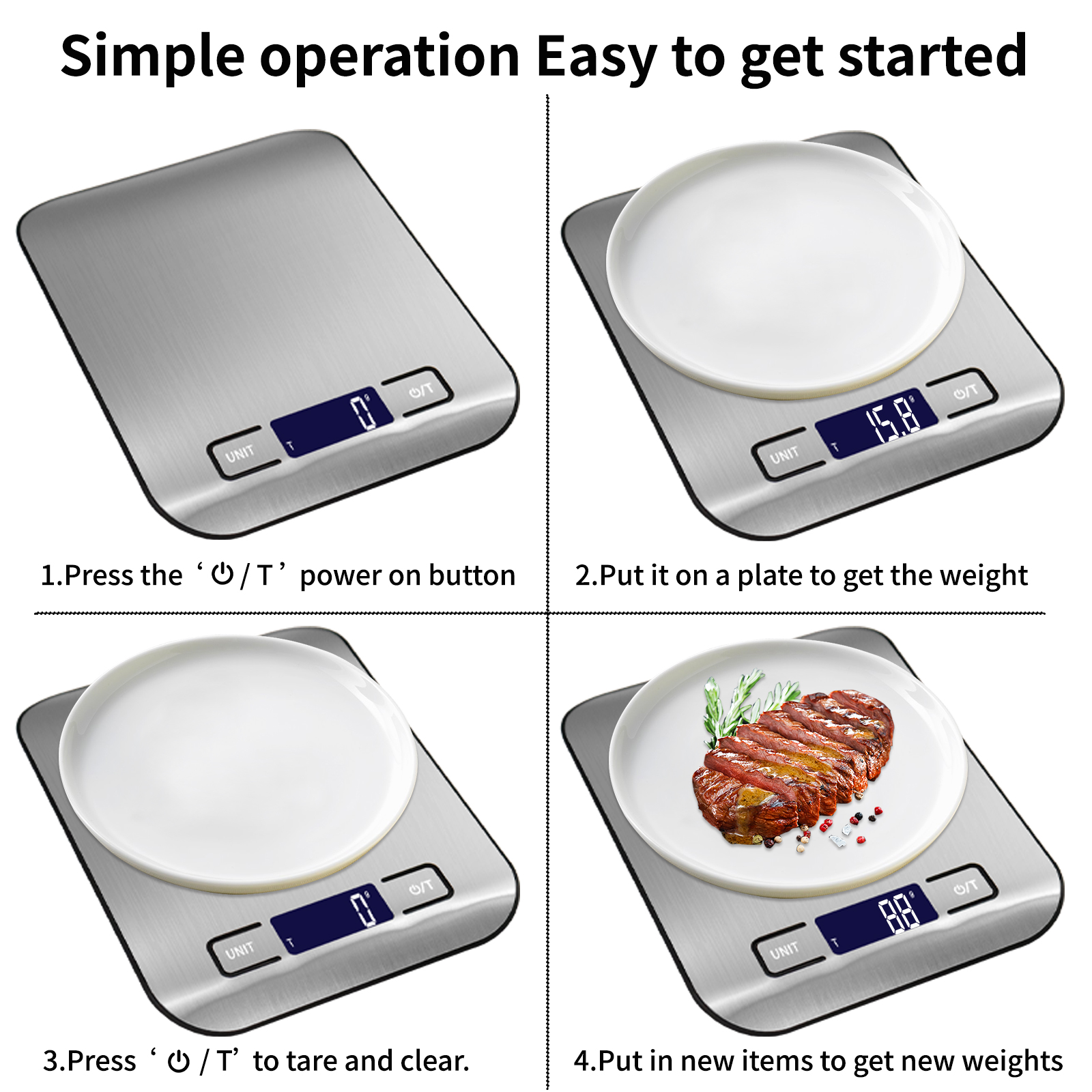
Digital kitchen scales do much more than just help with baking. When trying to stick to certain nutritional targets, these devices really make a difference. Studies indicate people who actually weigh their ingredients tend to be way more accurate about calories compared to when they just eyeball things. The numbers aren't bad either – some research suggests errors drop between 20% and 50% when using scales instead of guessing. Another big plus? Scaling recipes up or down becomes so much easier. No more messy calculations when working with grams rather than cups or tablespoons. And let's face it, most folks struggle with converting units when following foreign recipes. Digital scales handle all that automatically, switching between grams and ounces as needed. That little feature alone saves countless headaches during meal prep. At the end of the day, what we're talking about here is how regular home cooks can achieve restaurant-quality results simply by measuring ingredients properly. Precision matters more than many realize in everyday cooking.
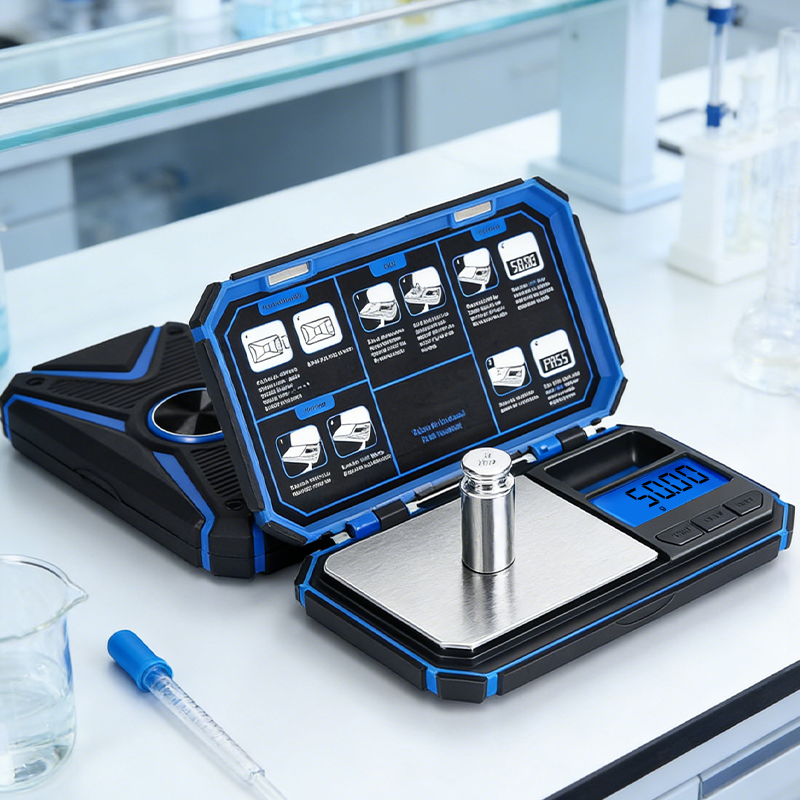
When it comes to baking, getting a scale with at least 0.1g precision makes all the difference when measuring things like yeast or salt. Even tiny mistakes can ruin what would otherwise be a great recipe. According to some industry data from Ponemon in 2023, if measurements are off by more than 5%, there's actually a 34% jump in failed recipes. Look for kitchen scales that handle both small amounts (from 1 gram up to around 100 grams) as well as bigger batches going up to 5 kilograms. That way we don't end up collecting several different scales over time. Also check whether the scale switches easily between grams, ounces, and pounds, since many recipes come from other countries these days. For people who do a lot of meal prep work, investing in a heavy duty model capable of handling 10 kg loads cuts down on weighing time by about half according to some research mentioned on Perfect Dealz website recently.
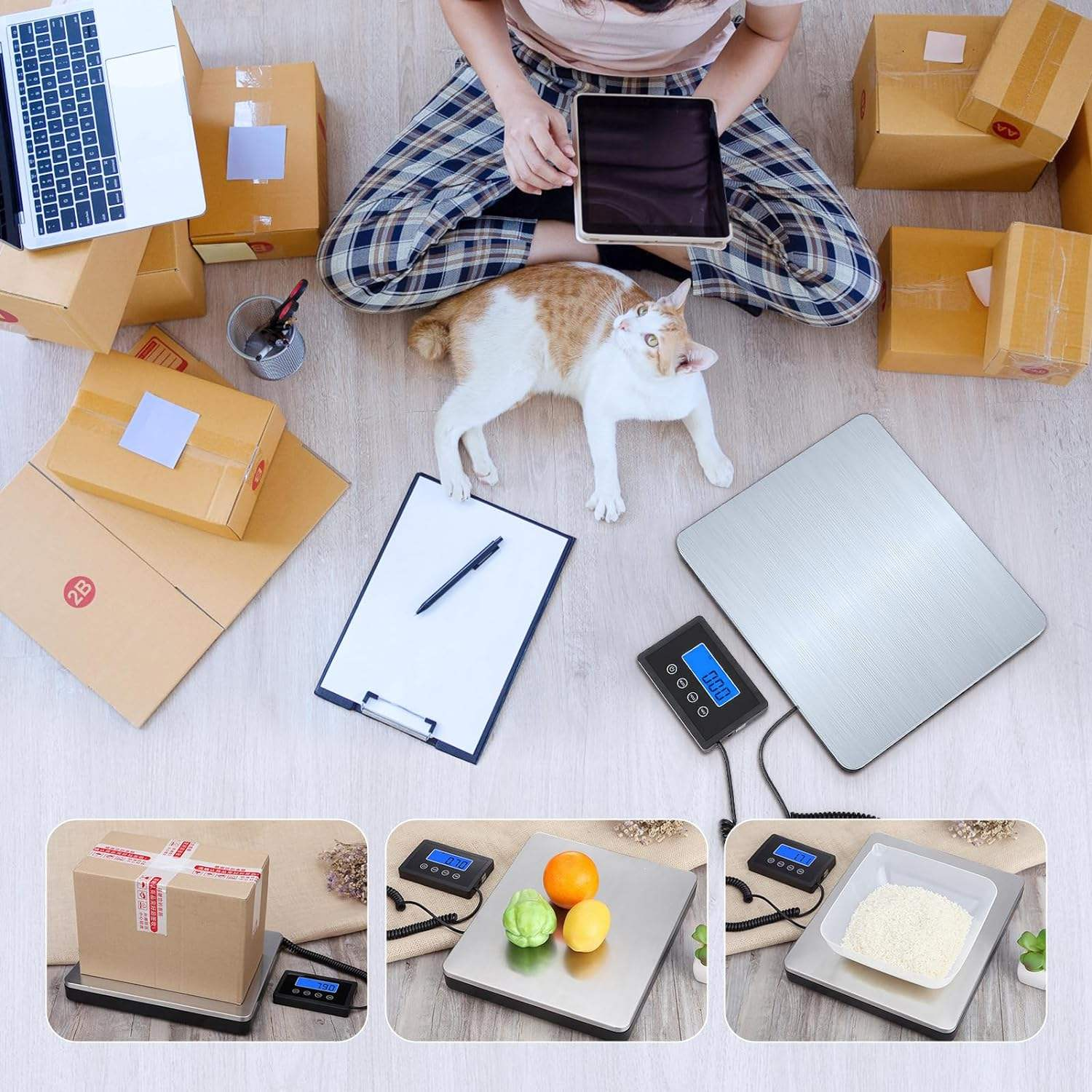
Stainless steel surfaces stay clean longer and wipe down easily, which is why most professional kitchens prefer them. Those rubber feet at the bottom really do stop the whole thing from sliding around when someone bumps into it. Speaking of convenience, the TARE button lets bakers add ingredients one after another without needing to do math in their heads every time they switch between flour and milk or whatever. Big name brands usually build in those water resistant seals around all the electronic parts so coffee rings don't ruin expensive equipment. Plastic cases get tricky near ovens though because heat makes plastics expand and contract, messing with the accuracy over time. Always check how responsive the buttons feel before buying anything. Some models have such laggy controls that people end up wasting almost seven minutes per cake just fighting with the interface, based on what kitchen staff report in their day to day work.
To get good weight measurements from your kitchen digital scale, put it on something solid and flat. Uneven surfaces can mess up the readings because the weight isn't distributed properly across the platform. Keep it away from places where there might be heat coming through or things vibrating nearby, like near the back of a fridge that's constantly humming. Give the scale a monthly checkup with proper calibration weights if possible, or just use regular coins as substitutes since we know how much they weigh. For example, those old nickels from around here still have about five grams each according to what the mint says somewhere. And remember to hit that little tare button every time you put a container on there before adding anything else. Otherwise you'll end up weighing the bowl along with whatever ingredient you're trying to measure, which nobody wants when baking cookies or making soup.
Follow this systematic approach:
For scaling recipes, use grams instead of cups—flour density varies up to 30% by volume (USDA 2023). Convert imperial-to-metric before weighing, never during, to avoid cumulative errors. Store your scale in a dry, room-temperature location to maintain sensor integrity.
Regular maintenance helps kitchen digital scales last longer while keeping them accurate over time. After using the scale, simply wipe down the surface with a slightly damp microfiber cloth. Never put electronic components underwater or reach for harsh cleaning products that might damage sensitive parts. When it comes to battery management, watch for signs like inconsistent readings or a dimming display screen. At those points, it's time to swap out old batteries. Also remember to take batteries out completely if storing the scale for months at a time to avoid potential corrosion issues. Finding good storage conditions matters too. Keep these devices lying flat in areas where moisture levels stay low and temperatures don't fluctuate much. Direct sunlight can wreak havoc on calibration, so position accordingly. The National Institute of Standards and Technology actually reports that around seven out of ten scale problems come from things like humidity affecting performance, according to their 2023 findings.
Persistent problems often have simple solutions:
|
Issue |
Likely Cause |
Resolution |
|
Drifting readings |
Uneven surface/low battery |
Level scale; replace batteries |
|
Unresponsive buttons |
Debris under buttons |
Clean with cotton swab + isopropyl |
|
Inconsistent measurements |
Overload/calibration error |
Weigh <80% capacity; recalibrate |
If recalibration fails (consult your manual for manufacturer-specific steps), internal sensor damage may require professional service. For battery-related failures, ensure replacements meet voltage specifications—mismatched cells cause 40% of electronic malfunctions in precision tools (Consumer Reports 2023).
Precision is the foundation of exceptional cooking and baking—no recipe can overcome inconsistent ingredient measurements. By choosing a high-quality kitchen digital scale that delivers reliable accuracy, versatile capacity, and user-friendly features, you'll unlock consistent results, reduce food waste, and take your culinary skills to new heights.
For industrial-grade, home-use, or custom OEM/ODM kitchen digital scales tailored to your needs (as offered by ACCT), partner with a manufacturer rooted in over 20 years of weighing expertise. ACCT's proven track record spans high-precision kitchen scales—all backed by ISO, CE, and RoHS certifications, strict quality control from sourcing to packaging, and global export capabilities. Whether you need a compact scale for home baking or a heavy-duty model for commercial use, contact us today for a no-obligation consultation to find your perfect weighing solution and transform your kitchen experience.

Shenzhen ACCT Electronics provides professional OEM/ODM electronic scales (pocket, kitchen, bathroom, postal) for global B2B clients. 20+ years’ experience, ISO9001 & CE/RoHS certified, 8M pcs/year capacity. Trusted by EU & NA partners. Request quote today.