EN
EN



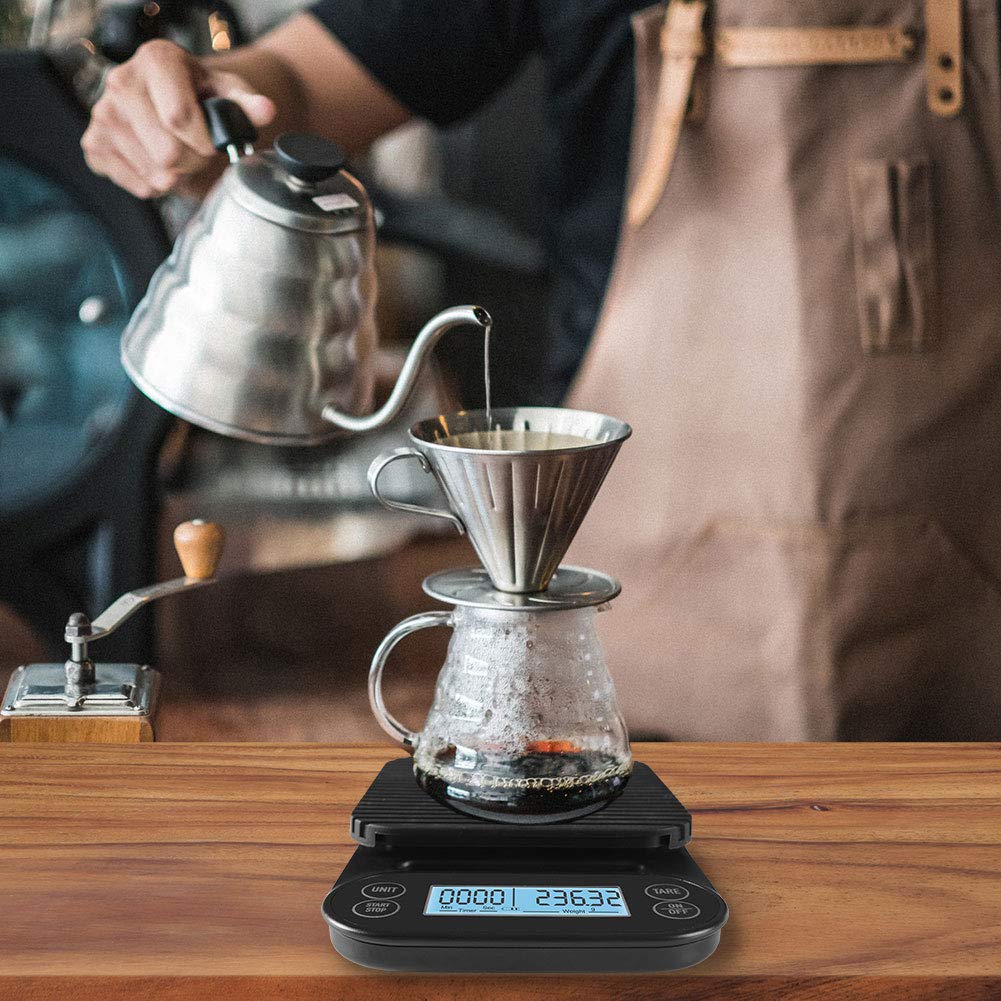
Do pieczenia, dawkowania przypraw oraz przygotowywania posiłków precyzja 0,1 g zapewnia idealny balans między dokładnością a praktycznością. Ten poziom precyzji gwarantuje powtarzalne wyniki — co jest szczególnie istotne przy ważeniu mąki, środków spulchniających lub mocnych przypraw, ponieważ nawet niewielkie przekroczenia dawki mogą negatywnie wpłynąć na konsystencję, podniesienie się ciasta lub smak. Profesjonalni cukiernicy polegają na tej szczegółowości, aby wiarygodnie odtwarzać przepisy, podczas gdy osoby dbające o zdrowie korzystają z dokładnego śledzenia wartości odżywczych. Wagi o rozdzielczości 0,1 g pomagają uniknąć kosztownych niepowodzeń w przygotowywaniu potraw bez nadmiernego utrudniania codziennego użytku.
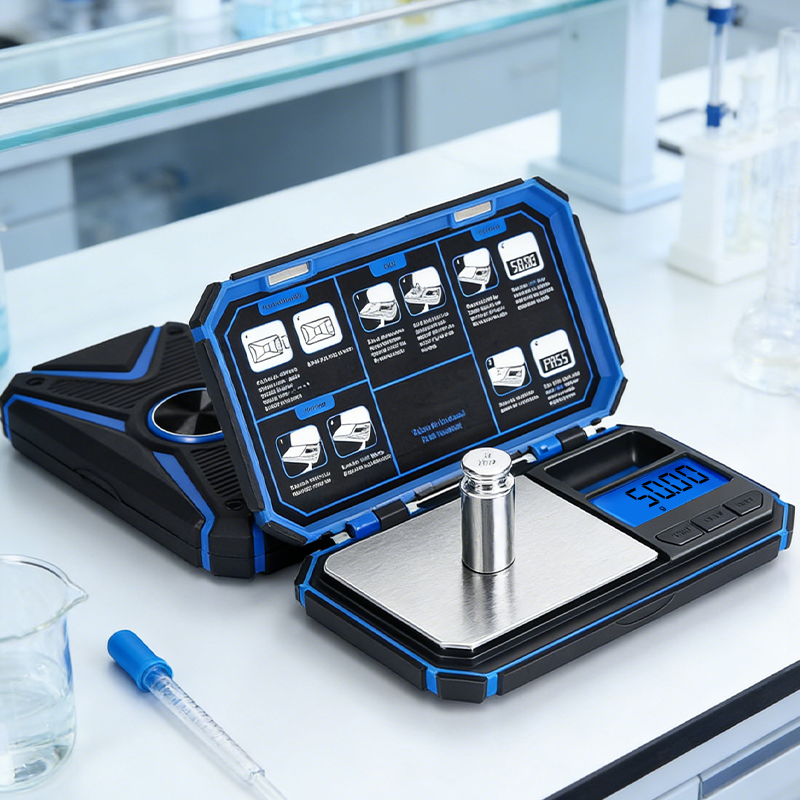
Rzemiosło jubilerskie wymaga wyjątkowej czułości — precyzja 0,001 g (1 miligrama) jest niezbędna do wyceny kamieni szlachetnych, złota i innych metali szlachetnych. Na tym poziomie różnice w wadze mniejsze niż ziarenko piasku bezpośrednio wpływają na rzetelność cen i uczciwość handlową. Jak potwierdzają badania Instytutu Ponemon z 2023 roku dotyczące błędów w wycenie związanych z pomiarami, niedokładne ważenie przyczynia się do ponad 740 000 dolarów strat rocznie w małych zakładach jubilerskich. Przenośne wagi cyfrowe przeznaczone do tego typu prac muszą stale utrzymywać mikroprecyzję, z minimalnym dryftem kalibracji — nawet w zmiennych warunkach środowiskowych.
Klasa dokładności 0,01 g stanowi najskuteczniejszy kompromis dla zastosowań dwufunkcyjnych. Spełnia ona większość wymagań piekarskich – w tym precyzyjne przygotowywanie zakwasów do chleba żytniego oraz mieszanki przypraw – a jednocześnie zapewnia wystarczającą dokładność do ważenia większych przedmiotów jubilerskich, takich jak wisiorki, łańcuszki czy ziarna do odlewania. Użytkownicy unikają kosztów, bałaganu oraz nakładu pracy związanego z kalibracją i koniecznością posiadania osobnych wag kuchennych i jubilerskich. Współczesne przenośnej cyfrowej wagi wagi osiągają tę uniwersalność dzięki bardzo stabilnym komórkoms ciężarowym, czujnikom skompensowanym pod względem temperatury oraz sztywnym konstrukcjom platformy – wszystko w zwartej, wygodnej do transportu obudowie.
Prawdziwa waga dwuzadaniowa musi obsługiwać jednostki odpowiednie do danego kontekstu bez konieczności ręcznej konwersji. Gramy stanowią uniwersalną podstawę zapewniającą dokładność kulinarną oraz pozwalającą na wiarygodne rejestrowanie wartości odżywczych. W branży jubilerskiej standardem przemysłowym są uncje trojańskie (31,1035 g) i pennyweight (1,555 g) – są one kluczowe przy wycenie złomu złota oraz cenowaniu kamieni szlachetnych. Uncje avoirdupois (28,3495 g) nadal mają znaczenie przy ważeniu składników płynnych oraz dostosowywaniu przepisów do użycia międzynarodowego. Najlepsze przenośne wagi cyfrowe przełączają się płynnie pomiędzy tymi jednostkami, ograniczając błędy ludzkie i umożliwiając bezpośrednie, wiarygodne pomiary – niezależnie od tego, czy chodzi o dozowanie ciasta na kruszonki, czy ważenie partii opiłków złota.
Zaawansowane funkcje wykraczają poza konwersję jednostek. Tryb procentów piekarskich oblicza proporcje składników względem całkowitej masy mąki — ułatwia skalowanie przepisów, dostosowywanie zawartości wody oraz zarządzanie zakwasem. Piekarze korzystający z tej funkcji zgłaszają 37-procentowe zmniejszenie odpadów spożywczych, zgodnie z danymi branżowych porównań benchmarkingowych. Tryb liczenia przez wagę przekształca procesy inwentaryzacyjne: po wprowadzeniu znanej masy pojedynczego elementu — na przykład koralika o masie 0,85 g — waga natychmiast oblicza dokładną liczbę sztuk na podstawie całkowitej masy partii. To połączenie nauki kulinarnej i logistyki jubilerskiej czyni to urządzenie równie niezastąpionym zarówno w kuchni doświadczalnej, jak i w pracowni warsztatowej.
Przenośność dwuzadaniowa wymaga więcej niż tylko niewielkiej masy — wymaga odporności bez kompromisów. Obudowa z aluminium klasy lotniczej zapewnia odporność na korozję, wytrzymałość na uderzenia oraz stabilność termiczną, jednocześnie pozostając lekka i łatwa w przenoszeniu lub przechowywaniu. Składane platformy, magnetyczne pokrywy oraz niskoprofilowe wymiary dalszym stopniu zwiększają przydatność w rzeczywistych warunkach użytkowania — niezależnie od tego, czy urządzenie jest umieszczone w zestawie kucharza, czy też przechowywane obok powiększalnika jubilerskiego. Przeładowywalne akumulatory litowo-jonowe umożliwiają teraz ponad 40 godzin aktywnego użytkowania, a inteligentne automatyczne wyłączanie oszczędza energię w okresach postoju. Zintegrowane wskaźniki poziomu oraz regulowane nogi zapewniają stabilne pomiary na nierównych blatach kuchennych lub warsztatowych — minimalizując błędy spowodowane drganiami w obu tych dziedzinach.
Kalibracja jest podstawą zaufania. Kalibracja zewnętrzna – wykonywana przy użyciu odniesionych do wzorców, certyfikowanych odważników – jest ostateczną metodą weryfikacji i przywracania dokładności, szczególnie w zadaniach wymagających klasy jubilerskiej, gdzie istotne jest przestrzeganie przepisów prawnych dotyczących handlu (legal-for-trade). Choć kalibracja wewnętrzna zapewnia wygodę dzięki zastosowaniu odważników referencyjnych napędzanych silnikiem, to brakuje jej elastyczności oraz możliwości audytu wymaganej w komercyjnych transakcjach z metali szlachetnych. W zastosowaniach profesjonalnych certyfikacja NTEP oraz oznaczenie klasy II potwierdzają zgodność z surowymi tolerancjami (aż do 0,001 g), gwarantując wiarygodność w środowiskach regulowanych. Regularna ponowna kalibracja przy użyciu certyfikowanych standardów zapewnia długotrwałą wiarygodność pomiarów – chroniąc zarówno spójność przepisów, jak i rzetelność wyceny na rynku.
Do ogólnego pieczenia, dawkowania przypraw oraz przygotowywania posiłków zwykle wystarcza precyzja 0,1 g, aby zapewnić powtarzalne rezultaty.
Wytwarzanie biżuterii wymaga precyzji na poziomie 0,001 g (1 miligram), aby dokładnie określić wartość kamieni szlachetnych, złota i metali szlachetnych, zapewniając rzetelność i sprawiedliwość cen.
Tak, waga o dokładności 0,01 g skutecznie spełnia wymagania zarówno pieczenia, jak i ważenia większych przedmiotów jubilerskich, oferując niezawodną wydajność w zastosowaniu dwufunkcyjnym.
Niezbędne jednostki to gramy (do zadań kulinarnych), uncje trojańskie i pennyweight (do zadań jubilerskich) oraz uncje avoirdupois (do płynów i przepisów międzynarodowych).
Zaawansowane funkcje, takie jak tryb procentu piekarza i tryb liczenia przez wagę, minimalizują marnotrawstwo, ułatwiają przepływy pracy oraz zwiększają dokładność dla użytkowników w obu dziedzinach.
Shenzhen ACCT Electronics oferuje profesjonalne wagi elektroniczne OEM/ODM (kieszonkowe, kuchenne, łazienkowe, pocztowe) dla klientów B2B na całym świecie. Ponad 20 lat doświadczenia, certyfikaty ISO9001 oraz CE/RoHS, zdolność produkcyjna 8 mln sztuk/rok. Oferujemy zaufane rozwiązania dla partnerów z UE i Ameryki Północnej. Poproś o wycenę już dziś.